
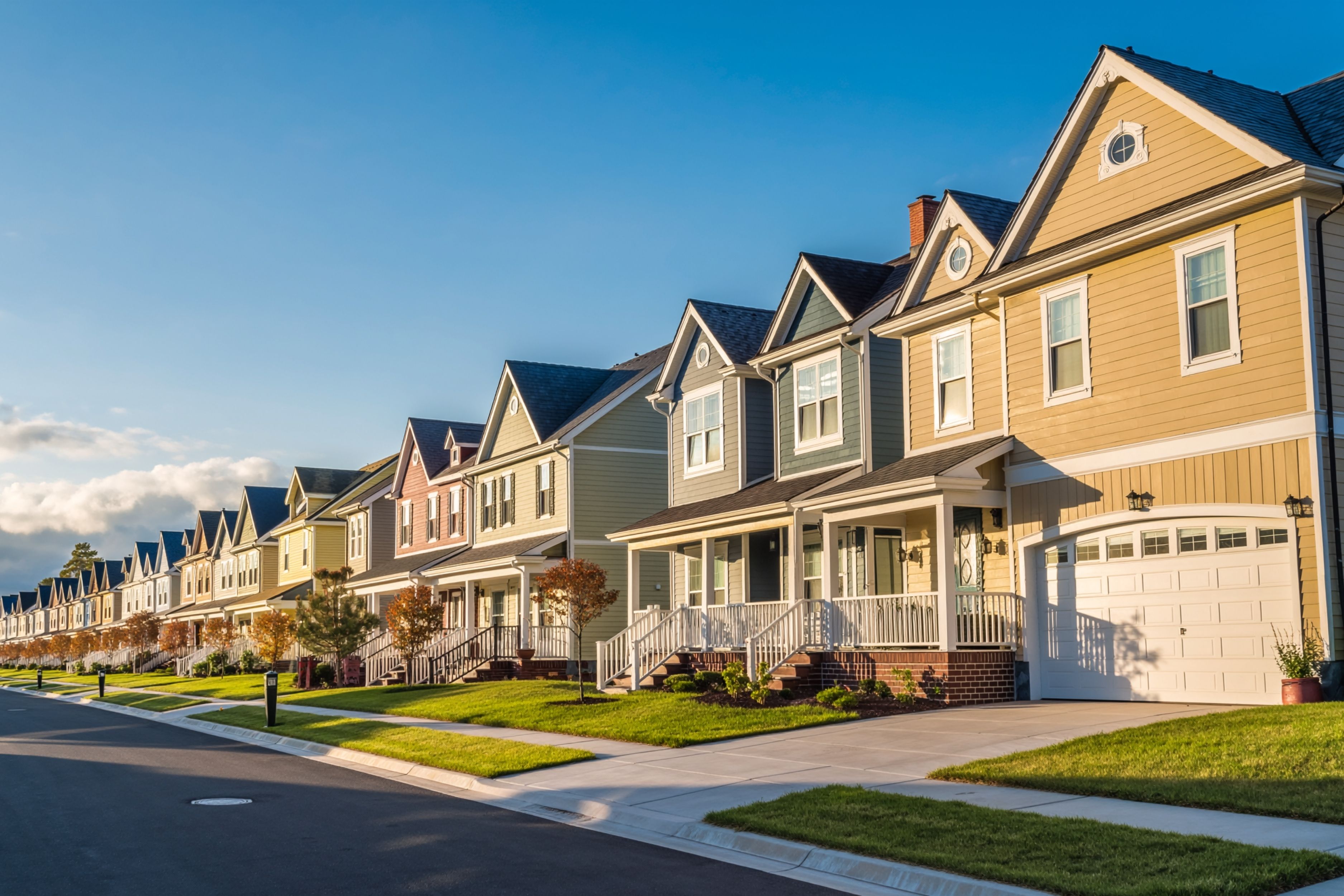
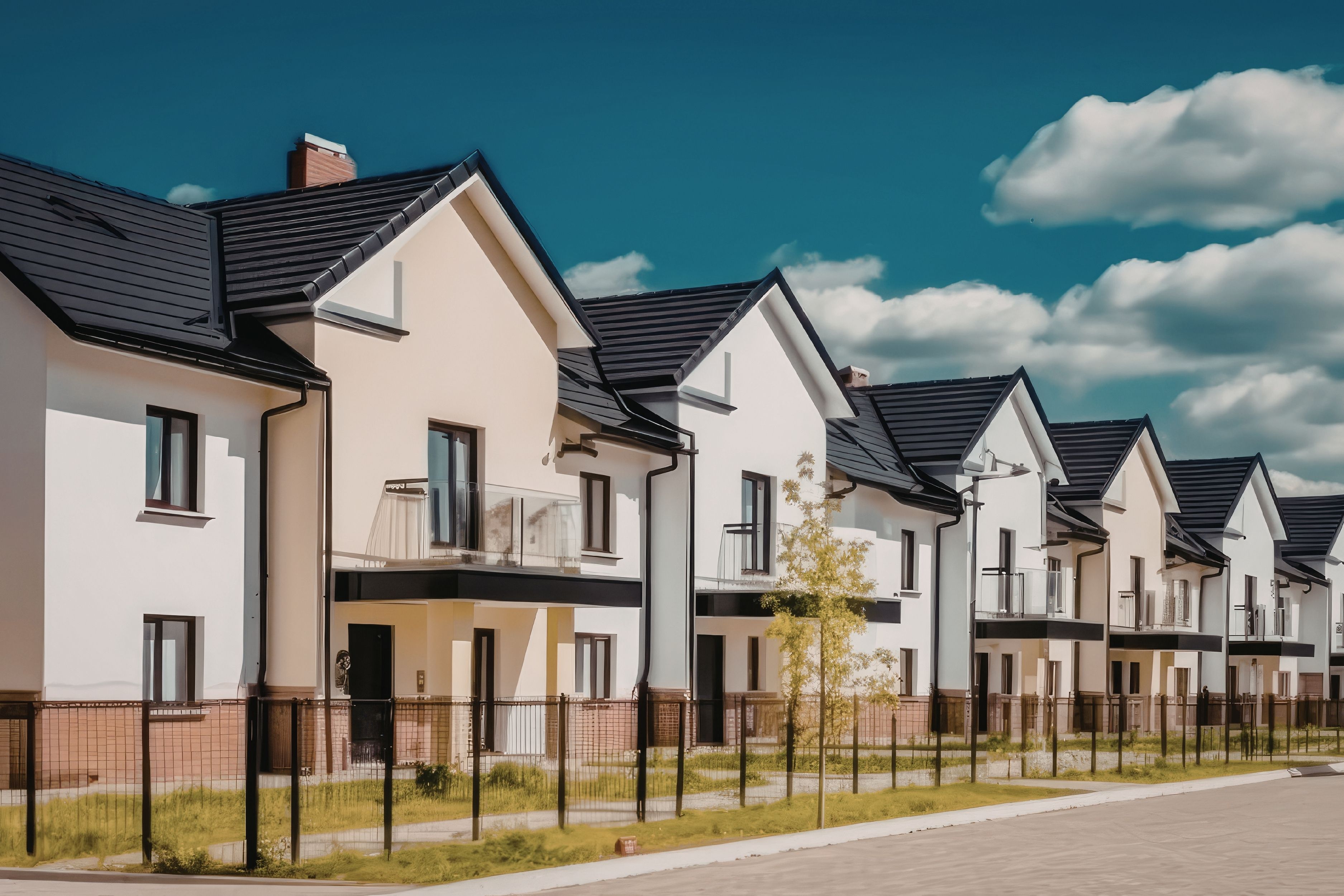
If you live in a high rise apartment or a massive HDB estate, you have probably noticed that your home is essentially a carbon copy of the units above and below you. The walls are in the same place and the windows look out in the same direction.
On paper, these homes are identical. Yet, if you walk into your neighbor’s place, it might feel totally different. One home feels bright and full of life while the other feels heavy or just slightly off.
This is a very real phenomenon in the world of geomancy because a feng shui house is defined by way more than just a floor plan blueprint.
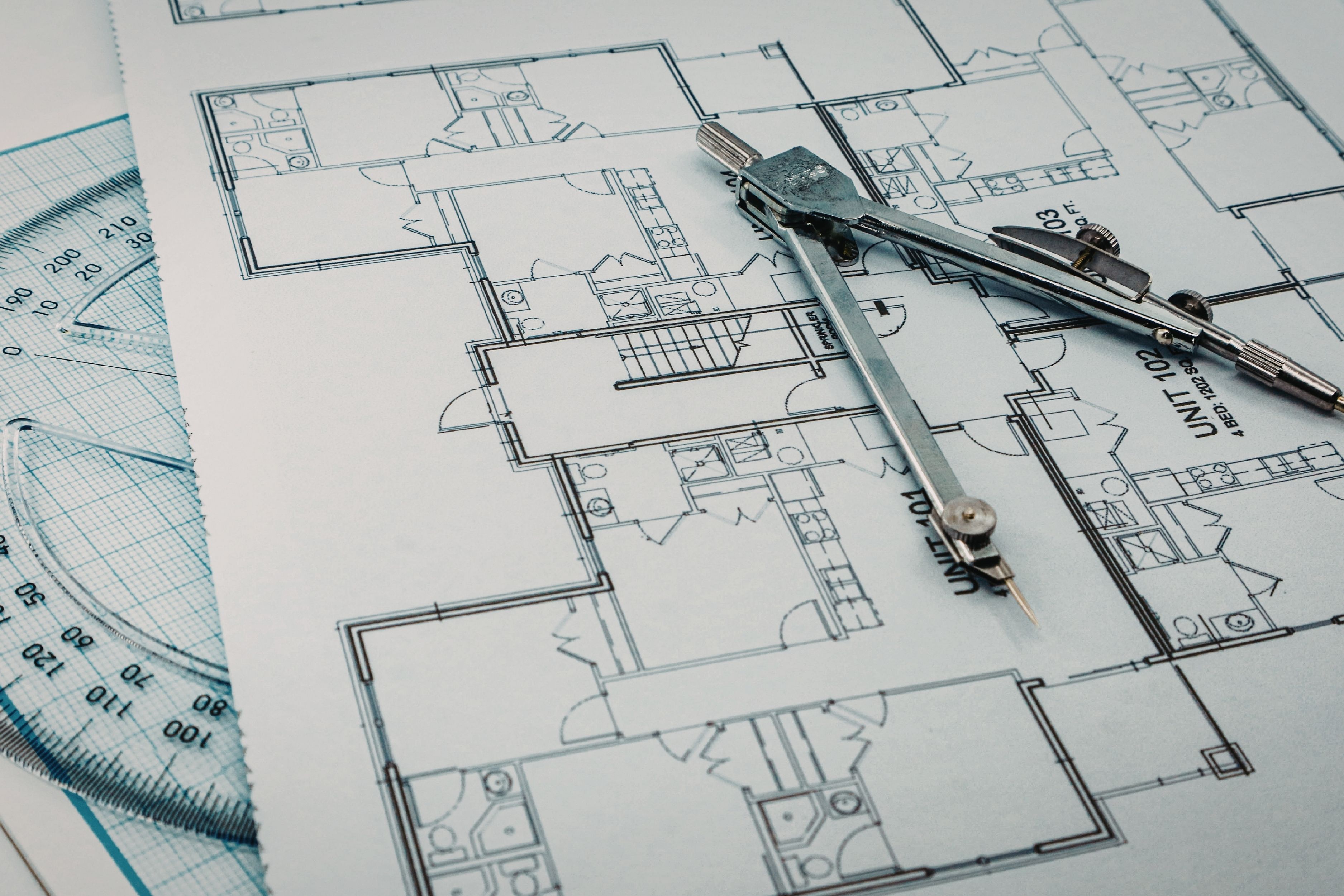
The floor plan is really just a skeleton. How that skeleton actually functions depends on how it interacts with the world outside the front door and the specific people living inside. We often think of space as a static thing, but it is actually very reactive.
Small shifts in floor level, the way the light hits a specific corner at noon, or even how much clutter is sitting in the hallway can change the entire energetic profile of a unit. This is why you cannot just look at a brochure from a developer and know exactly how a home will feel once you move in.
Why Orientation is Key for a Feng Shui House

The first thing to understand is that the direction your home faces changes everything. Even if two houses have the exact same interior walls, their relationship to the compass is what dictates how they breathe.
You might have a unit facing North while your neighbor in a different block has the same layout facing South. These two homes are going to have completely different experiences with heat, light, and airflow.
- Sunlight and Thermal Comfort
A home facing the afternoon sun is going to be significantly hotter. This heat is not just a physical annoyance. It creates a restless environment where it is hard to focus or relax. In geomancy, we look at this as an excess of energy that needs to be balanced.
- Magnetic Fields
Every direction on the compass corresponds to a different element. A layout that is oriented toward the East might support growth and health because it aligns with wood energy. If you take that same layout and flip it toward the West, it might feel more stagnant or rigid.
- The Level Factor
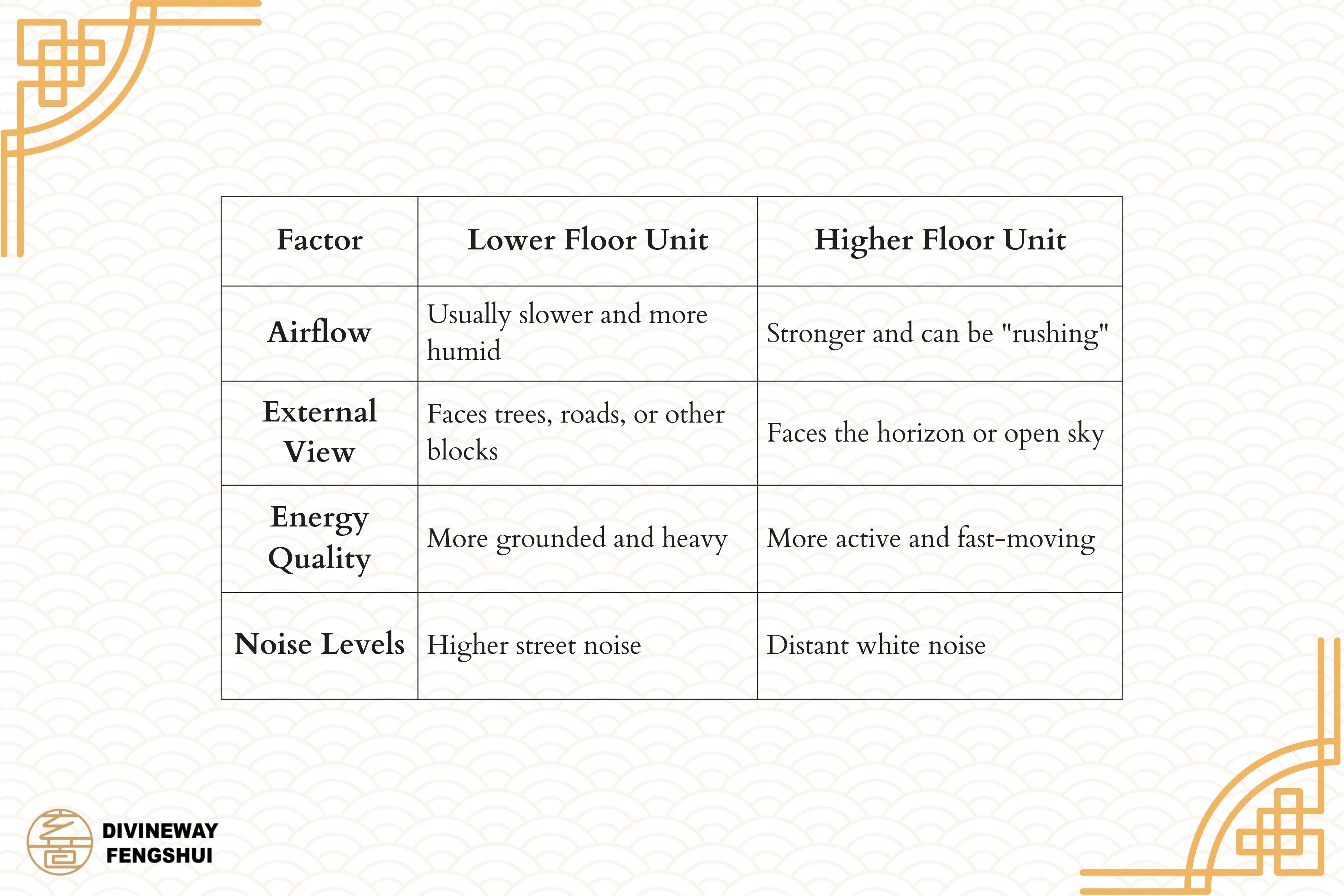
Living on the 2nd floor is a completely different experience from living on the 42nd floor. Lower floors are closer to the ground and feel more stable but they also deal with more noise and shadows. Higher floors have more wind and light but they can sometimes feel ungrounded or flighty.
Comparing Identical Units in the Same Stack
Beyond the Blueprint and External Landforms
When people talk about a feng shui house, they often forget to look out the window. Your internal layout might be perfect, but if your window looks directly at a sharp building edge or a massive power substation, that unit is going to have a “pressure point” that the unit five floors up does not have.
These external features are called landforms. They act as permanent influencers on your living space.
If your neighbor has a view of a calm park, they are receiving a steady flow of positive energy. If your identical unit looks out at a construction site or a busy highway, you are dealing with constant environmental stress.
This is why two people in the same building can have such different levels of stress and productivity. One person is coming home to a sanctuary while the other is coming home to a space that is constantly being “hit” by external noise and visual clutter.
The main entrance is another huge factor. In many modern buildings, the hallway is where the energy for your home starts. If your front door is right next to the trash chute or directly across from the elevator, the quality of energy entering your home is chaotic.
Your neighbor further down the hall might have a quiet, sheltered entrance that allows the energy to settle before it even gets inside. You can have the same kitchen and the same living room, but if the “mouth” of the house is being choked by a bad hallway location, the rest of the layout will suffer.
The Role of Personal Behavior and Flow
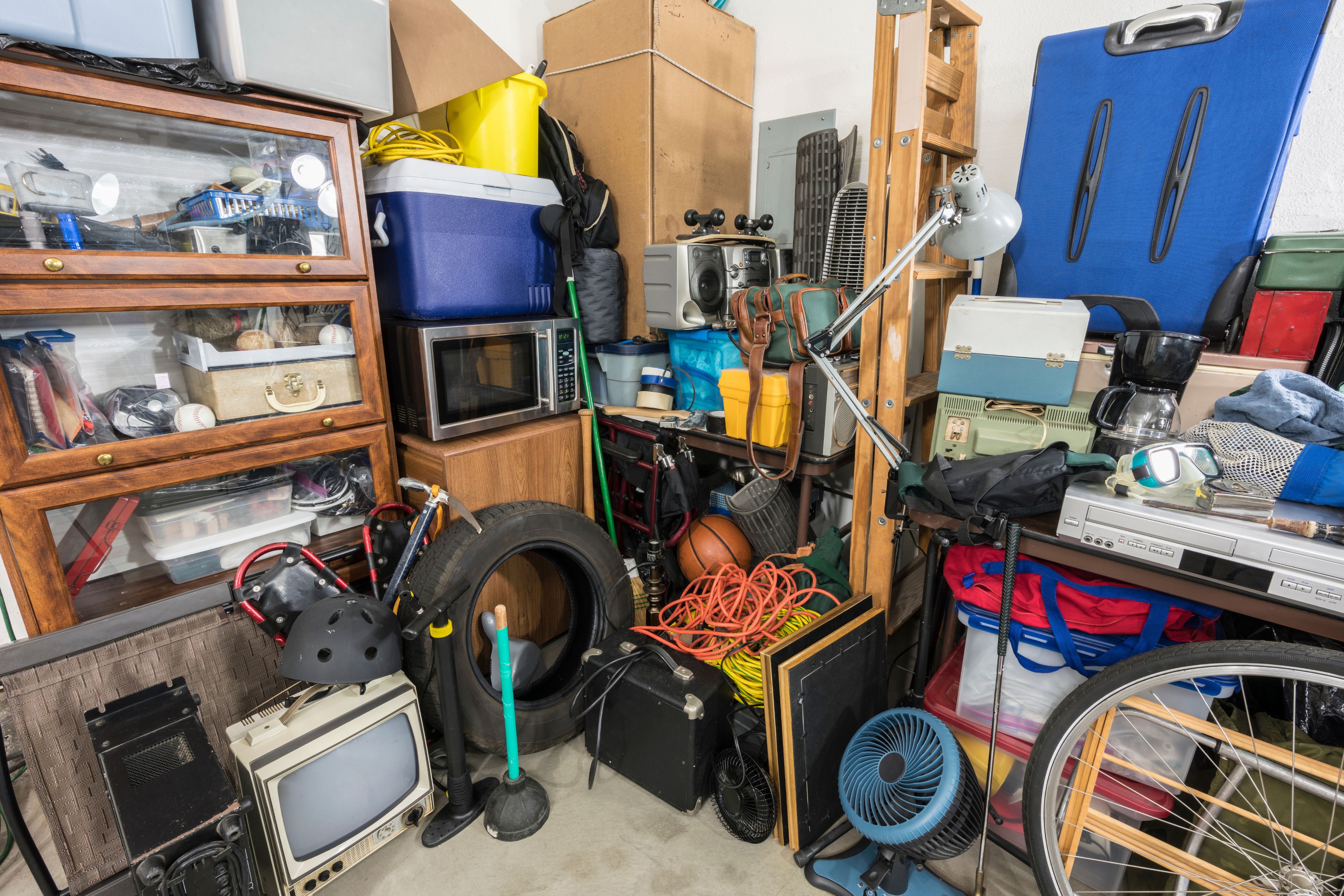
We also have to talk about how people actually live in these spaces. You can have a perfect feng shui house on paper, but if you fill it with junk or block the natural pathways, the layout stops working.
This is where spatial psychology comes in. Two families using the same floor plan will often place their furniture in totally different ways.
One family might place their sofa in a “command position” where they can see the entrance to the room without being directly in line with it. This creates a sense of security and subconscious calm.
The neighbor might push their sofa against a window or in a spot where their back is to the door. This small choice makes the room feel vulnerable. Over time, that feeling of being “on edge” translates into actual fatigue and stress.
The way we move through a home is like the way blood moves through a body. If you have a clear path from the front door to the bedroom, you feel a sense of ease.
If you have to dodge a dining table and a pile of shoes every time you walk across the room, you are creating “friction” in your daily life. This friction is what geomancers are actually looking for. We want to find the spots where you are working too hard to exist in your own home.
Practical Adjustments for Modern Living
Most people think they need to buy expensive crystals or mirrors to fix a home, but it is actually much more practical than that. It is about making the space function better for your specific lifestyle.
- Lighting
Dark corners create stagnant spots. If your identical layout feels gloomier than your neighbor’s, it is likely because of how the light is being blocked or absorbed by your furniture choices.
- Color Palettes
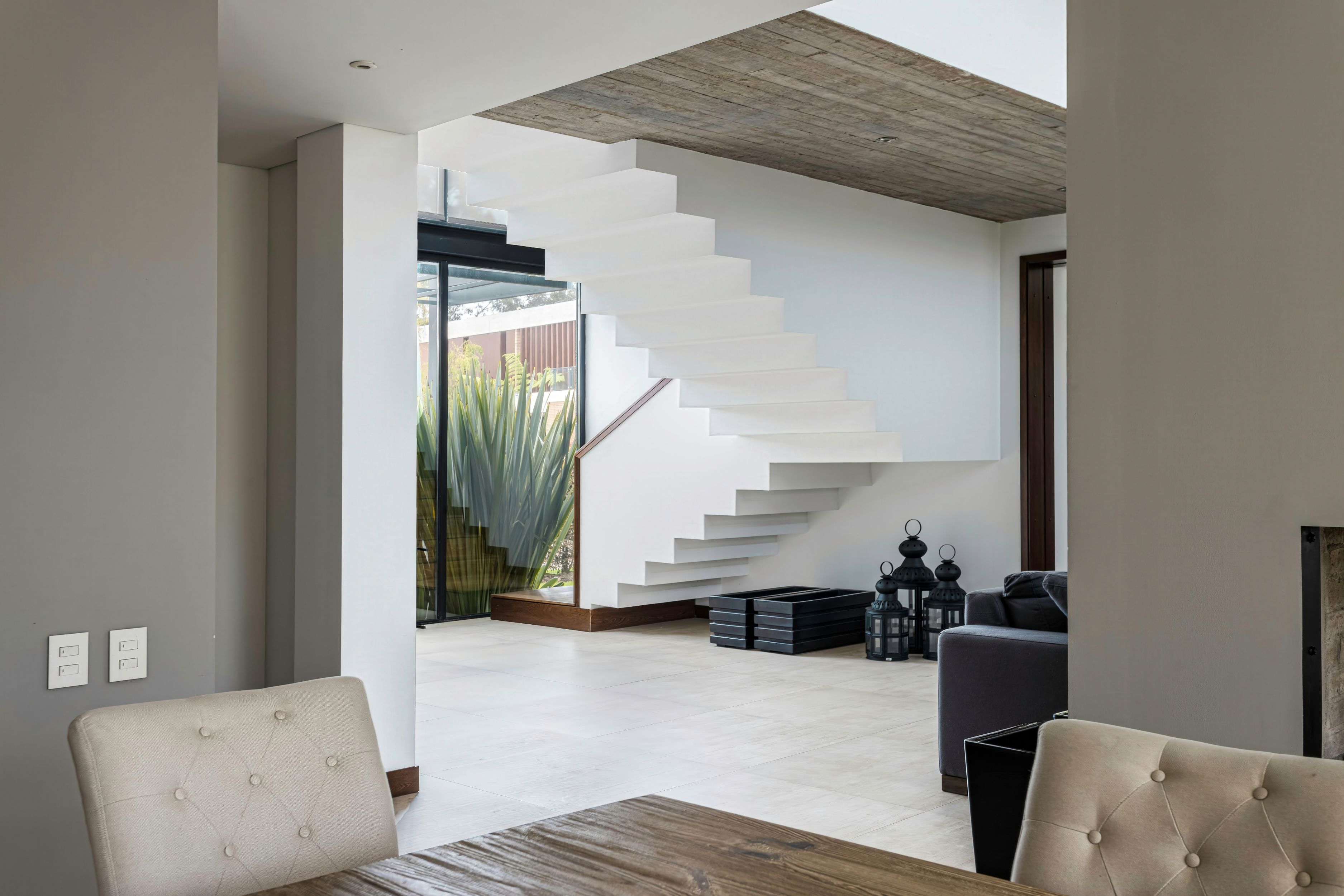
Colors are not just about style. They change the “weight” of a room. A unit painted in dark, heavy tones will feel much smaller and more restrictive than one with light, reflective colors.
- The Five Elements
Using natural materials like wood, stone, or metal can help balance the energy of a room. If a space feels too “cold” or clinical, adding plants or wooden textures can ground it.
Final Thoughts on Your Living Space
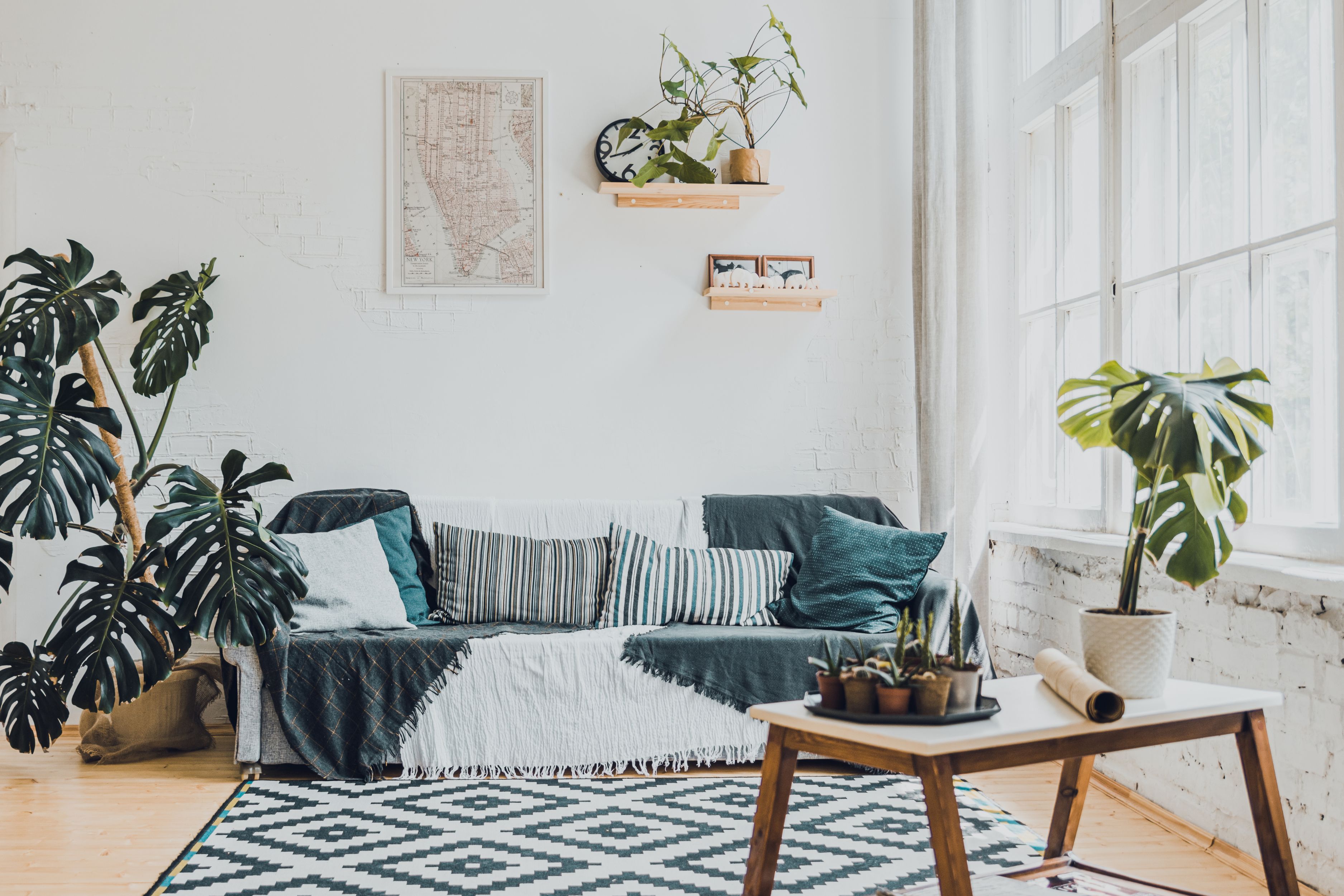
Ultimately, your home is a reflection of how you interact with your surroundings. Two identical houses can have completely different results because no two environments are truly the same.
Between the compass direction, the height of the floor, the view outside, and the way you arrange your furniture, there are thousands of variables that make your home unique.
Instead of worrying if your layout is “good” or “bad” compared to someone else’s, focus on how the space actually makes you feel. If you feel tired every time you sit at your desk or if you find yourself bickering with your family in a specific room, there is likely a layout issue that needs to be addressed.
By looking at your home as a living system rather than just a set of walls, you can start to make the small shifts that lead to a lot more clarity and ease in your daily life.
The goal of a good feng shui house is to create an environment where you do not have to fight against your surroundings. When everything is aligned, the house supports you.
It becomes a place where you can actually recharge instead of a place that quietly drains your energy. If you have been feeling like something is off in your space, it is probably worth looking beyond the floor plan to see what is really going on.
Related Posts

Have a question for us?
We welcome any question with no commitments. Master Louis Cheung will seek to clarify any doubts you may have.
“Master Louis Cheung has an approachable and comfortable personality along with competent skills. I can confidently recommend Master Louis Cheung to my friends. Thank you, Feng Shui Master Louis Cheung.”
 James H.
Senior Financial Analyst