Walking into a home as a Feng Shui master involves much more than looking at where the furniture sits. It is an immediate sensory experience that starts before even touching the door handle.
In a dense urban environment, the way we use our space matters because it directly dictates our stress levels and our ability to focus.
Modern geomancy is deeply practical and it focuses on how layout and flow influence your daily well-being. By adapting traditional principles to fit high-rise living, a practitioner helps a feng shui house function more effectively for the people living inside it.
The Approach and the Mouth of Chi
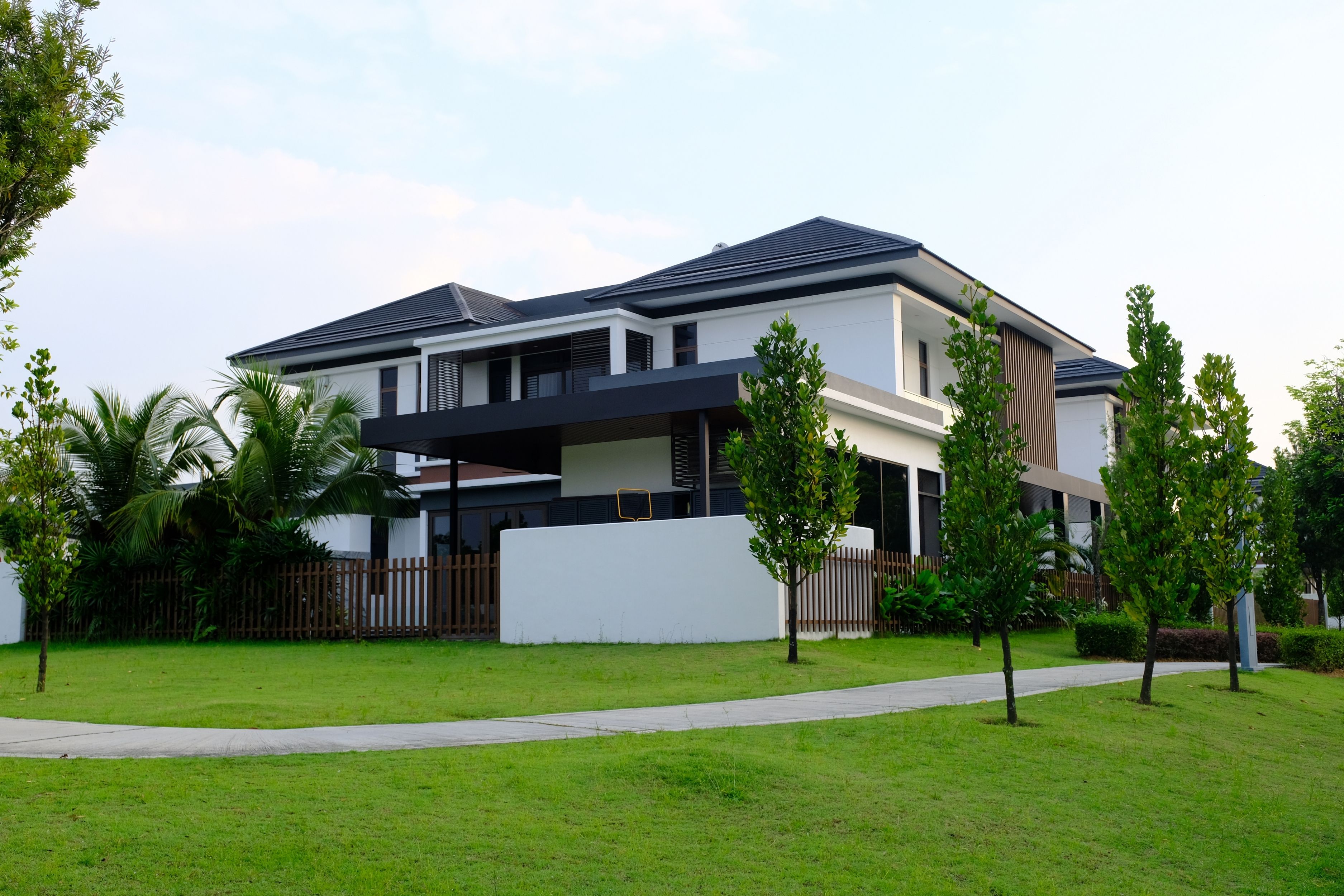
The first thing a master notices is actually the exterior environment as they approach the building. They are looking at how the road and nearby structures relate to your specific unit.
If there is a sharp bend in the road or a T-junction pointing at the entrance, it creates a specific kind of pressure known as sha qi. This negative energy can influence the vibe of the home before you even step through the door.
In many local neighborhoods, masters check if a lamp post or a heavy pillar stands directly in front of the door because those objects can literally kick energy away from the entrance.
The front door itself is called the mouth of chi. It is the primary portal through which all energy enters your life. A practitioner wants to see if this entry feels open and clean.
This is the concept of the ming tang, which refers to a bright hall located right inside the door. If this area is cramped or dark, the energy for the rest of the home gets restricted.
Physical Maintenance and the Entrance
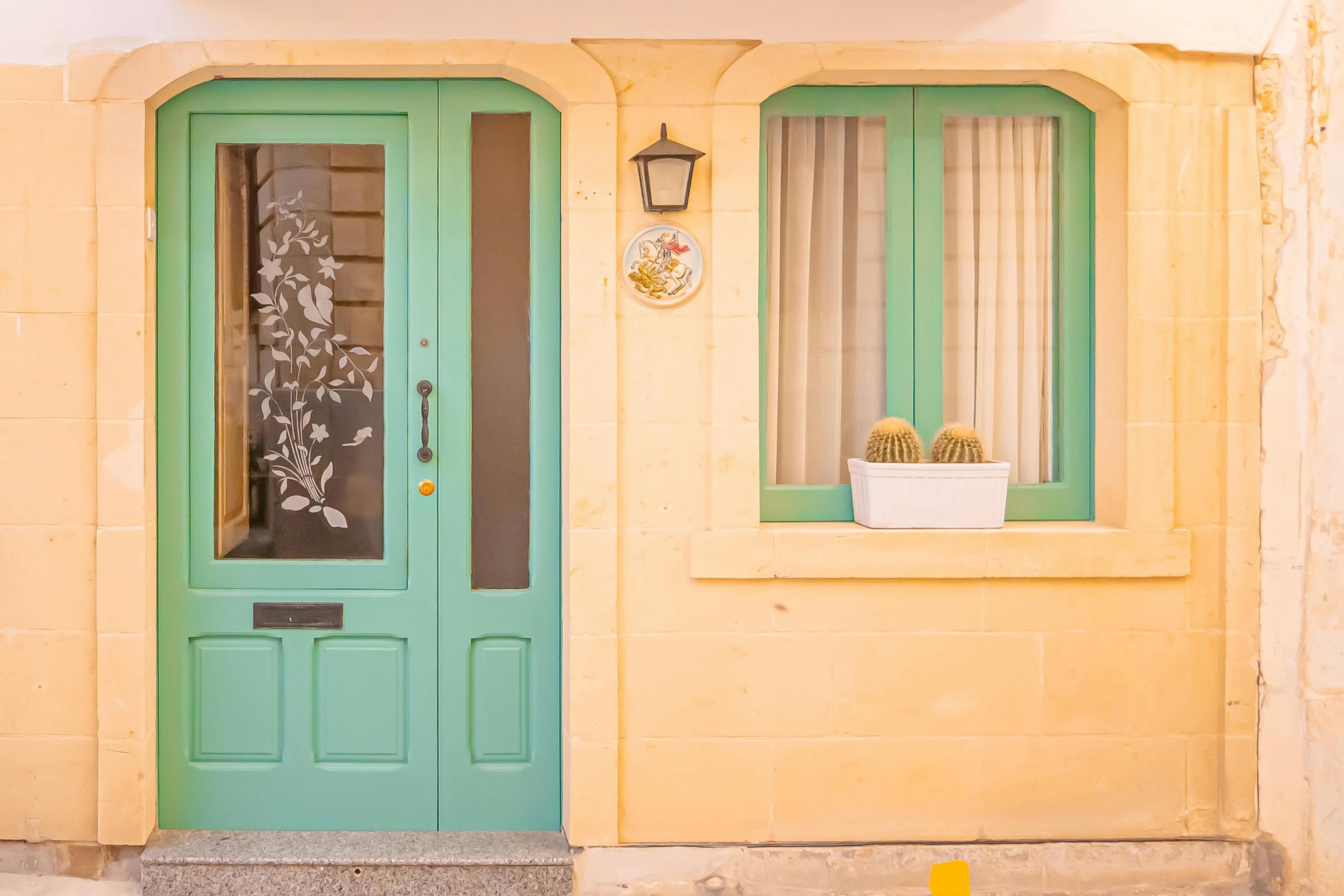
A master will check the physical condition of the door immediately. This includes looking for peeling paint or broken hinges because a door that does not function well represents broken qi. They also check if the door is positioned in a way that aligns directly with a staircase or a toilet.
These alignments are problematic because they shunt energy straight out of the house or down the drain before it can circulate through the rooms.
To keep the entrance welcoming, you should follow these specific steps
- Keep all shoes and umbrellas neatly tucked away instead of piled by the door.
- Ensure that the door can swing open at least 90 degrees without hitting any boxes or bags.
- Use bright lighting or maximize natural light at the entrance to aid positive energy flow.
- Check that the path from the door into the main living area is completely clear of obstacles.
Nothing should block the full opening of the door. Clutter near the entrance literally stops energy and opportunity from moving into your life. Practitioners prize bright lighting because light is the Fire element and it helps invite positive movement into the home.
Mapping the Interior Layout
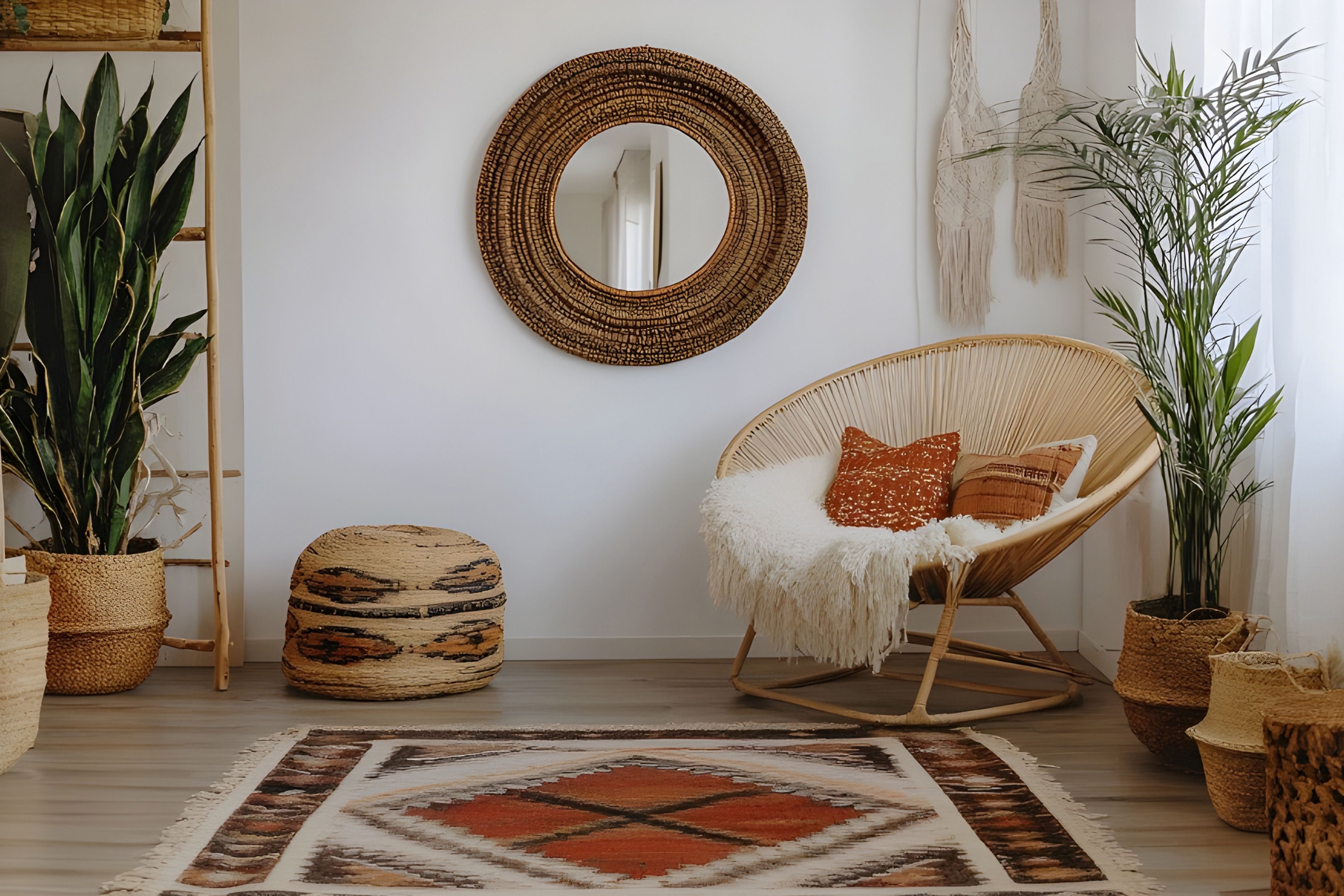
Once the master is inside, they mentally walk the path that energy takes through the rooms. They are looking for anything that obstructs hallways or sightlines. Piles of items or oversized furniture that block pathways will stall the movement of energy.
A very common issue is having a straight line of sight from the front door to the back door or a large window. This causes the energy to rush through the house and escape instantly.
Consultants often look for simple fixes to redirect this flow.
- Shifting a couch that sits in the middle of a main corridor.
- Clearing out boxes and clutter from the hallway.
- Adding a small screen or a divider if the front door opens directly into the living room.
- Ensuring all interior doors swing freely to allow for full circulation.
They ensure major pathways are free so energy can move through the whole system. A stuffy or dim room is a major red flag because it indicates trapped or stale energy. Good ventilation and open windows are highly valued so that fresh air can move from the entry to the rest of the home.
The Commanding Position for Success
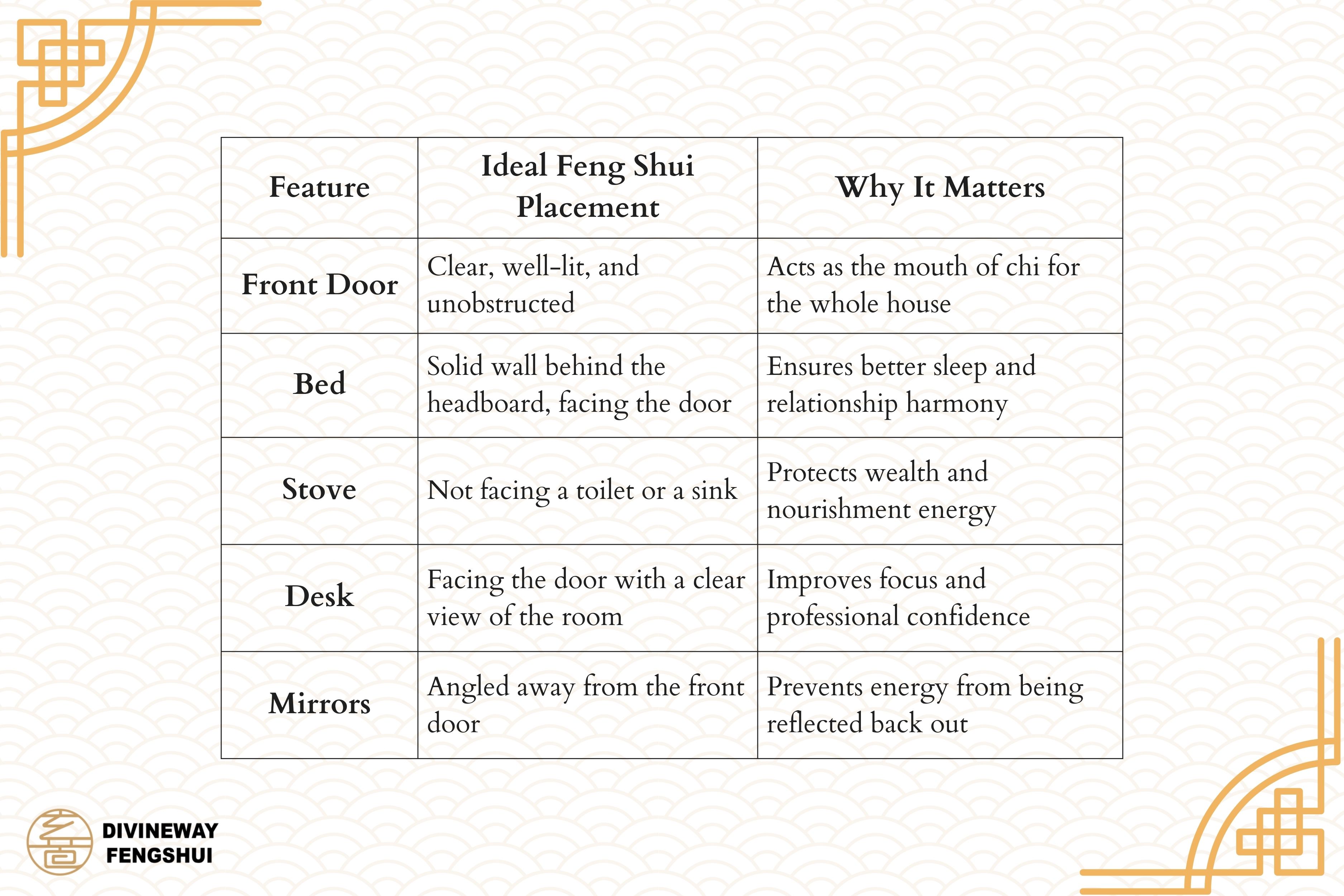
A master checks that your primary furniture is in the commanding position. This means that your bed, your desk, and your stove should face the door so you can see who is coming, but they should not be directly in line with the door.
If your back is to the door while you work or sleep, it can cause a sense of restlessness and lead to missed opportunities.
Kitchen and Bedroom Priorities
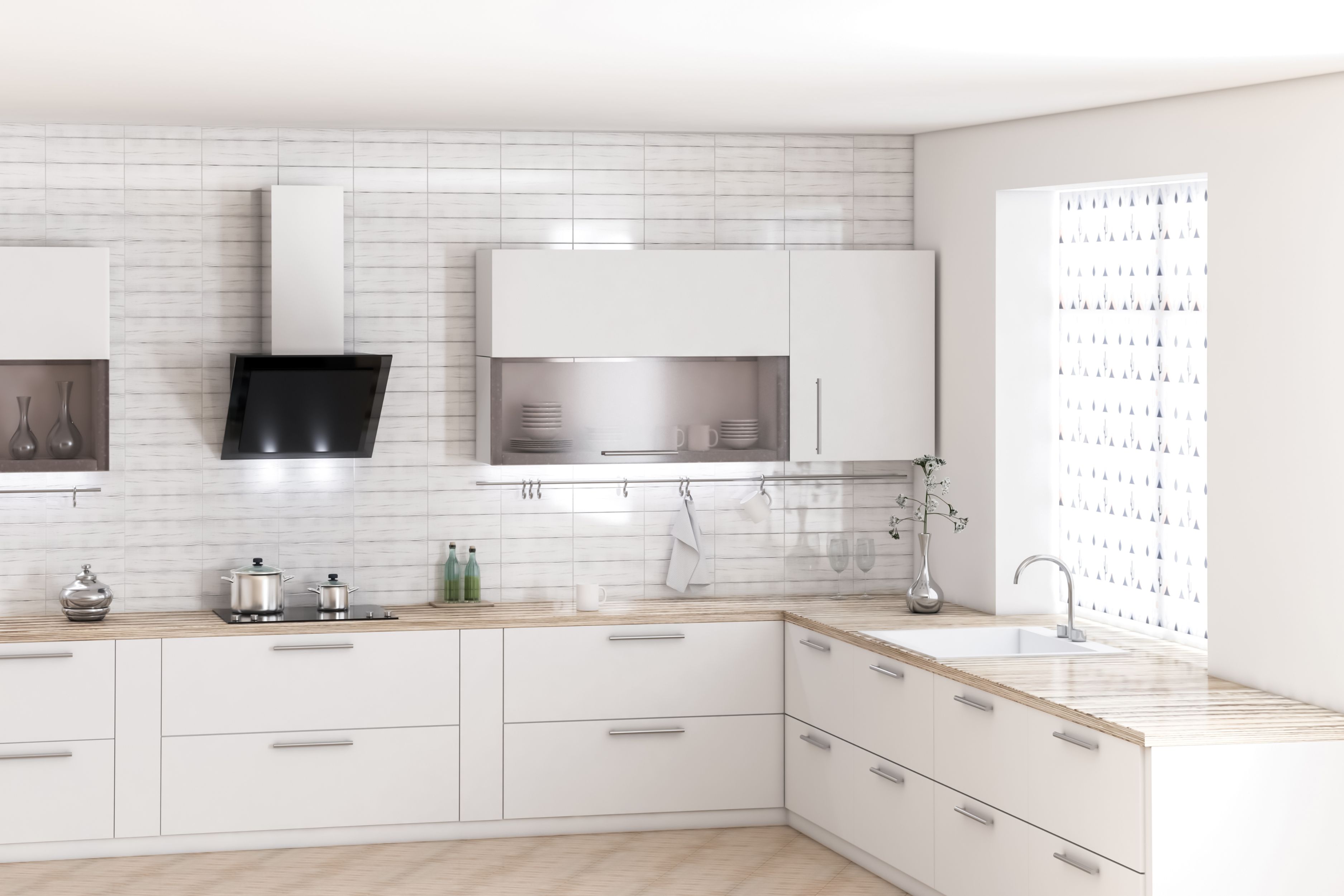
The kitchen attracts special attention because the stove symbolizes nourishment and wealth. A master will check that the stove is not facing a toilet or sitting directly opposite a sink. This is because the fire of the stove and the water of the sink create a clash.
If the stove is in a difficult spot, they might suggest adding a plant to use the Wood element to diffuse that tension.
Then they look at the master bedroom. The consultant notes if the bed is placed with a solid wall behind the headboard. It should not be under a window or a heavy overhead beam.
These checks happen as part of the walk-through to ensure the room supports good sleep and healthy relationships. In local homes, achieving this balance is a priority for maintaining family harmony.
Energy Maps and Balancing Elements
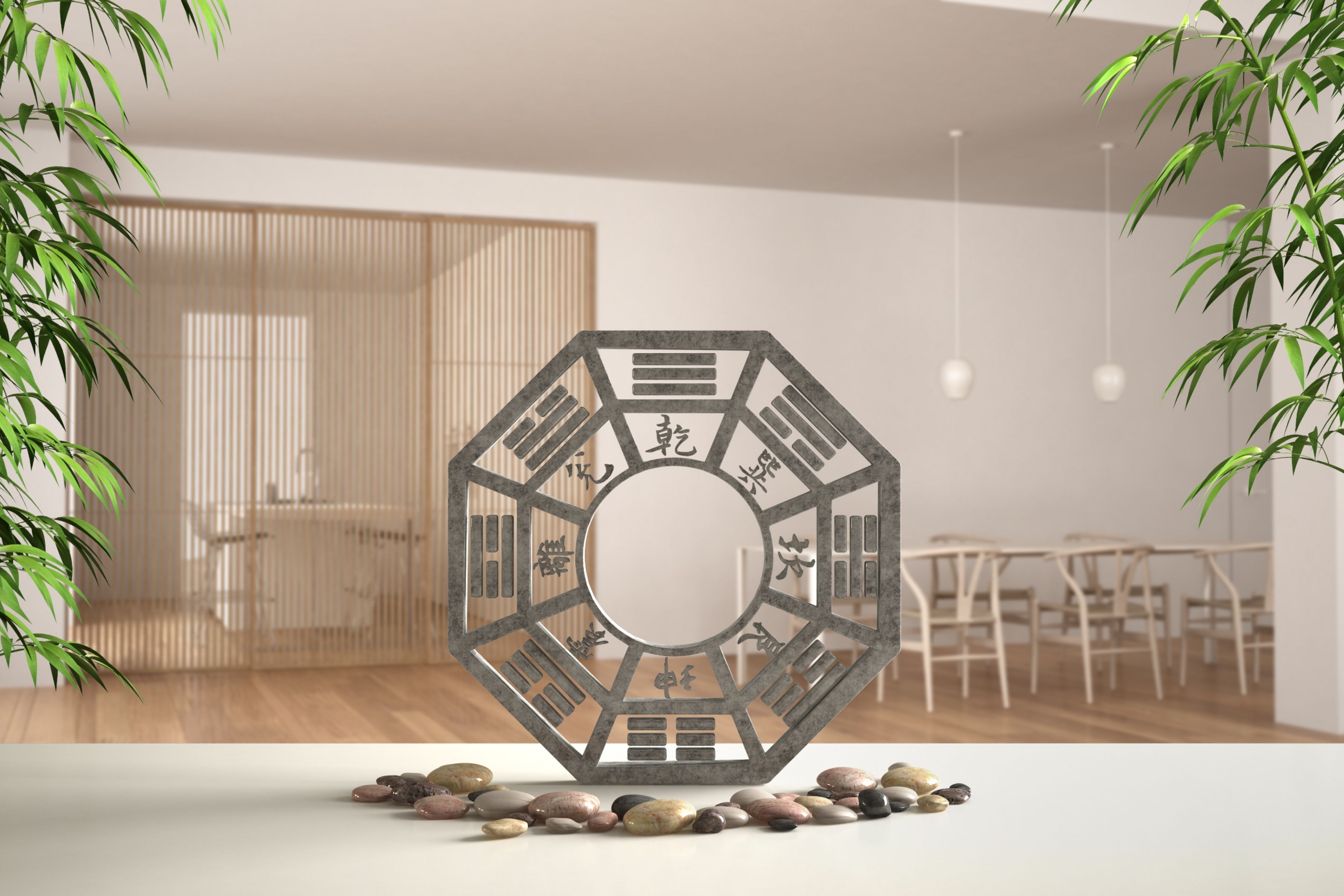
Many masters apply the Bagua energy map by overlaying your floor plan with nine life sectors. These sectors represent wealth, health, family, and career. They check if any of these vital areas are cluttered or if a corner is missing from the floor plan.
A missing corner might signal an imbalance in that specific area of your life. If a home lacks a proper center space or has a staircase that divides the house in two, the master will note it because it can metaphorically split the family.
Throughout the audit, they are sensitive to the elements, colors, and materials used in the decor.
- A wood shrine or a healthy plant by the door brings growth energy.
- A bright red door represents a strong Fire element.
- Heavy metal objects should be balanced with warmer Earth or Fire decor if the home feels too cold.
- Potted plants at the entry are a classic cure to welcome positive energy.
The goal is to reach a state where the home feels lighter and more supportive. Decoration should feel harmonious with clear surfaces and soft lighting to maintain a calm balance.
A well-arranged space is one where energy can circulate freely and the five elements are represented throughout the layout.

Practical Adjustments for Urban Living
In the context of local HDB flats and condos, these principles are very grounded. Masters use their experience with typical layouts to suggest changes that actually work in small spaces.
They might suggest a shelf to create a boundary if the door opens straight into the living room. They also check for modern disruptors like loud noises or overhead pipes.
Regular maintenance is a huge part of this process. You should fix broken items like flickering bulbs or leaking pipes quickly because they represent “broken” energy. Keeping corridors completely clear of clutter is another simple but effective way to improve the vibe of a flat.
Ultimately, a Feng Shui master wants to ensure that the doorway and foyer provide a clear path for energy. They look for unobstructed pathways and furniture in commanding positions so that life moves smoothly through your home.
Key areas like the stove and the bed receive a quick glance for proper placement to protect your health and your finances. The result of all these observations is a home that feels more open and helps you feel more at ease in your daily life.
Every doorway and every corner sets the tone for your environment and a master makes sure each one feels welcoming to invite in harmony.
Related Posts




Have a question for us?
We welcome any question with no commitments. Master Louis Cheung will seek to clarify any doubts you may have.
“Master Louis Cheung has an approachable and comfortable personality along with competent skills. I can confidently recommend Master Louis Cheung to my friends. Thank you, Feng Shui Master Louis Cheung.”
 James H.
Senior Financial Analyst