

Moving house is easily one of the most draining things you can do. If you live in a place where high-rise living is the norm, you probably know the drill of scrolling through property portals and viewing units that all start to look the same after a while.
It is easy to get caught up in the marble countertops or the view from the balcony and completely miss the actual energy of the place. This is where the concept of residential feng shui comes in handy as a practical tool rather than just some ancient superstition.
It is basically a way to audit a space to see if it actually supports your life or if it is going to be a constant uphill battle once you move in.
The whole idea behind residential feng shui is about how Qi or life energy moves through space. You can think of it like the way air or light travels. If a layout is awkward or blocked, that energy gets stagnant and you start to feel it in your daily life through stress or lack of focus.
Most people wait until they have already signed the papers to worry about this, but by then you are stuck with the structural issues. Checking these things during the house-hunting phase lets you pick a spot that feels right from the second you walk in.
Start With the Neighborhood and the Walk Up

Before you even step into the unit, you need to look at what is happening outside. Residential feng shui tells us that the external environment accounts for a huge chunk of the home’s energy.
You want to see a clear and unobstructed path to the front door. In traditional terms, this is called a bright hall which is just a fancy way of saying an open space where good energy can gather.
- Look for a smooth path to the entrance with zero clutter
- Check if there is a small setback or foyer area in front of the door
- Avoid units where the door is staring directly at a lamp post or the sharp edge of another building
- Steer clear of doors that are directly opposite the lift or the stairwell because that constant movement creates a lot of unstable energy
You also have to be mindful of what the building sits next to. It is usually a red flag if a unit backs onto a hospital or a cemetery. These places have very heavy and somber energy that can bleed into your living space.
Busy intersections or being right under a flight path are also things to watch out for because the constant noise and high-speed movement prevent energy from ever settling. If the approach to the house feels chaotic or cramped, it is likely that the interior will feel the same way.
Analyzing the Floor Plan and Shape
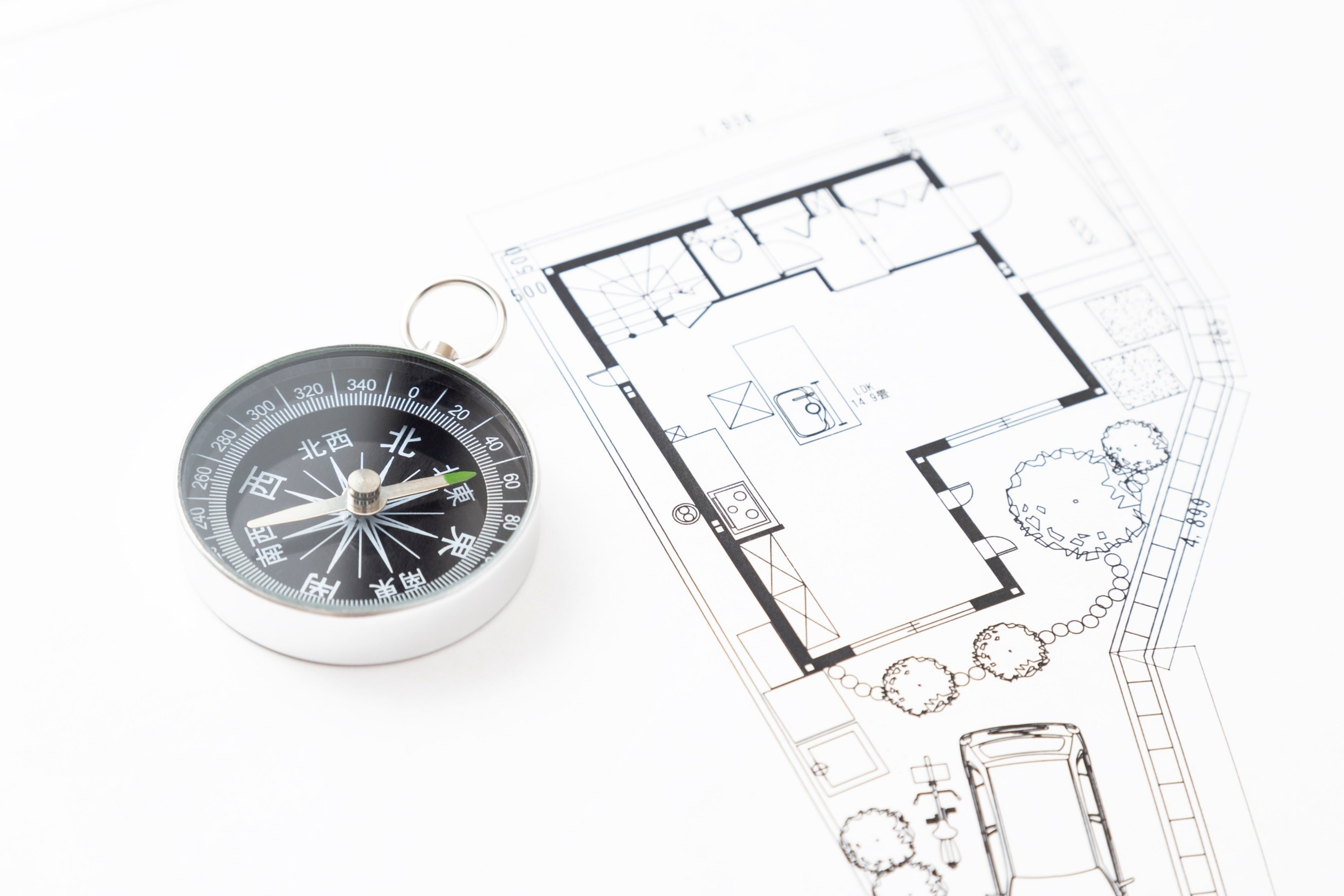
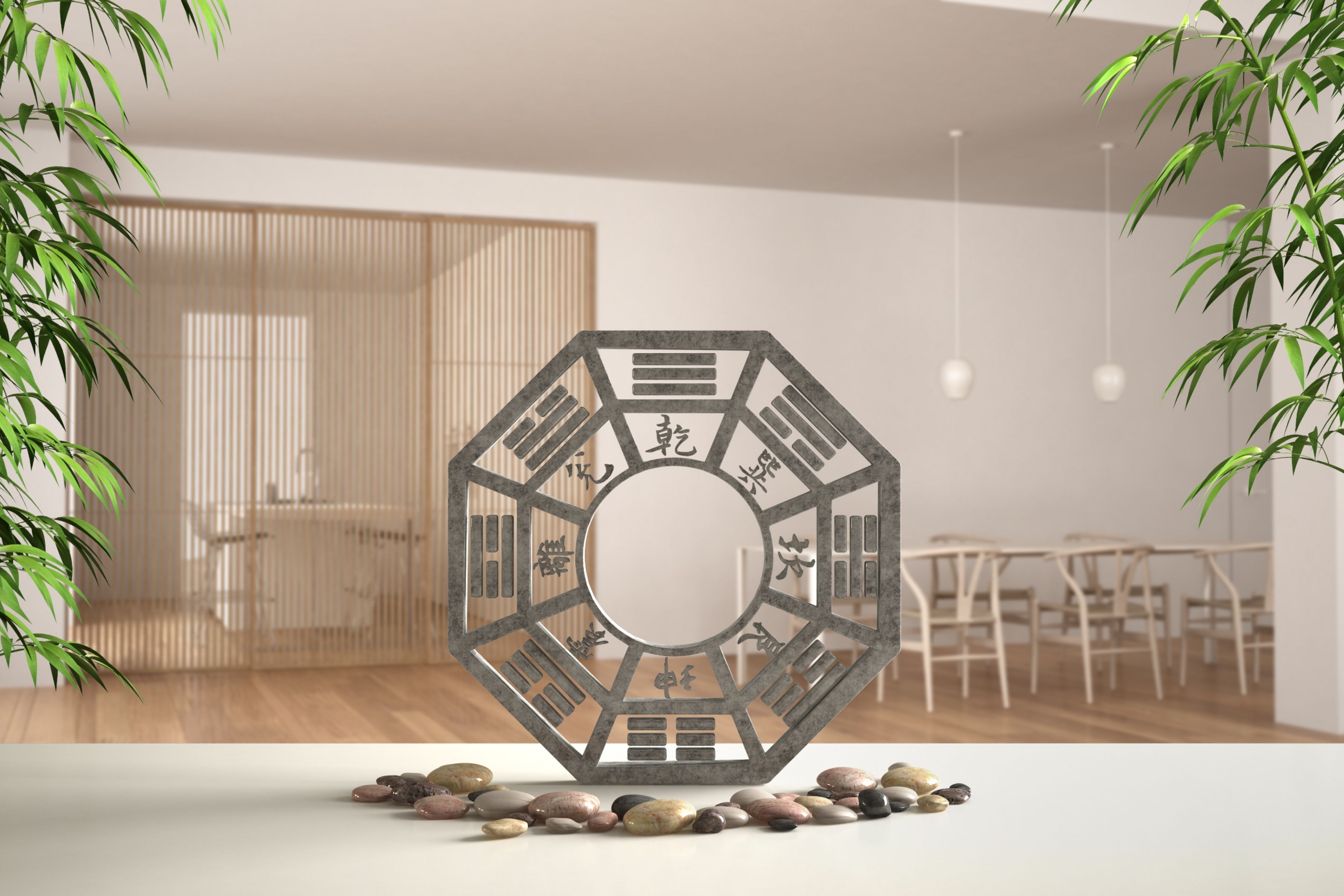
Once you get inside, take a good look at the actual shape of the floor plan. In residential feng shui, we always prefer a regular shape like a square or a rectangle. These shapes allow the Bagua map to sit evenly over the home so every area of your life is represented.
When you have L-shaped or triangular apartments, you end up with missing corners. This means an entire sector of the Bagua map is literally cut out of your home.
For example, if the East sector is missing, it is traditionally tied to problems with family health. If the Northwest corner is gone, it can mean the head of the household struggles with bad luck or a lack of support. You want a home that feels complete and solid.
If you are looking at a plan and it looks like a puzzle piece with bits broken off, you are probably looking at a house that will require a lot of workarounds later.
The placement of the bathroom is another massive factor that people overlook. You really do not want a toilet in the dead center of the house. The center is like the heart of the home and having a toilet there is basically like flushing your wealth and energy away.
It is also pretty bad news if the bathroom is built directly over the main entrance or if the toilet is the first thing you see when you walk in.
Room Specifics and Common Pitfalls
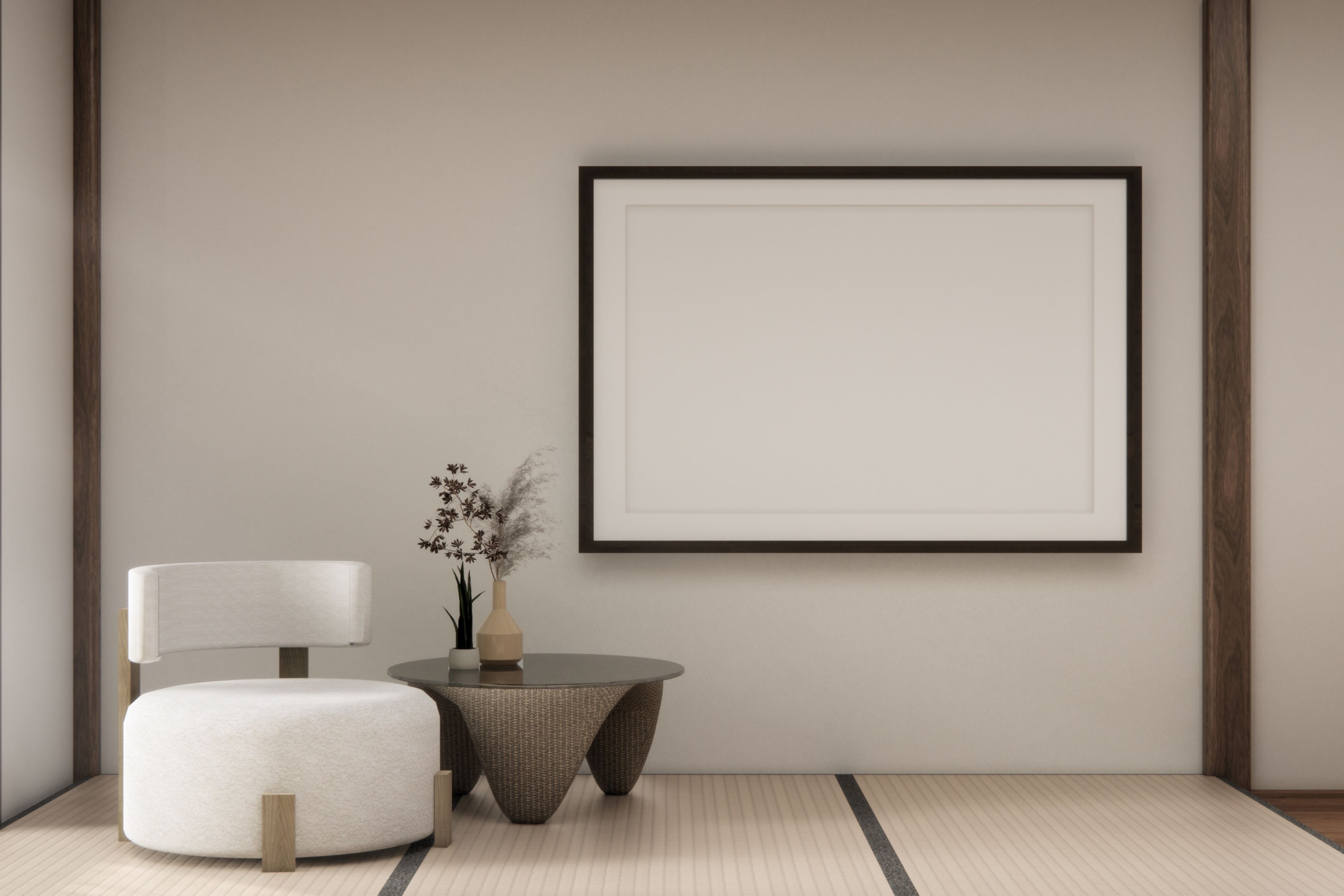
The kitchen and the bedroom are the two rooms where you spend the most time or where your physical health is most affected. In the kitchen, the stove is the most important feature because it represents the family’s wealth and nourishment.
You want the stove to have a solid wall behind it. A lot of modern units have island stoves, but that is actually discouraged in residential feng shui because the food is exposed to energy coming from every direction which makes it unstable.
- Never put a stove in the Northwest corner because it creates a condition called Fire at Heaven’s Gate
- Ensure the kitchen is well-ventilated so grease and stagnant air do not trap negative energy
- Try to keep the kitchen tucked away so it is not the first thing seen from the front door
When you check the bedroom, look at where the bed can actually go. You never want your feet or head pointing straight at the bedroom door. This is often called the coffin position and it is known for draining your energy while you sleep.
You also want to make sure the head of the bed is not against a wall that has a toilet on the other side. That can lead to restless sleep and even long-term health issues.
Another thing to look at is the ceiling. If there are heavy beams or pillars directly over where the bed would be, that creates a lot of “pressing” energy.
It can make you feel physically oppressed or stressed out without knowing why. If the room has a pillar right in the middle, it disrupts the flow of the entire space and makes it very hard to feel relaxed.
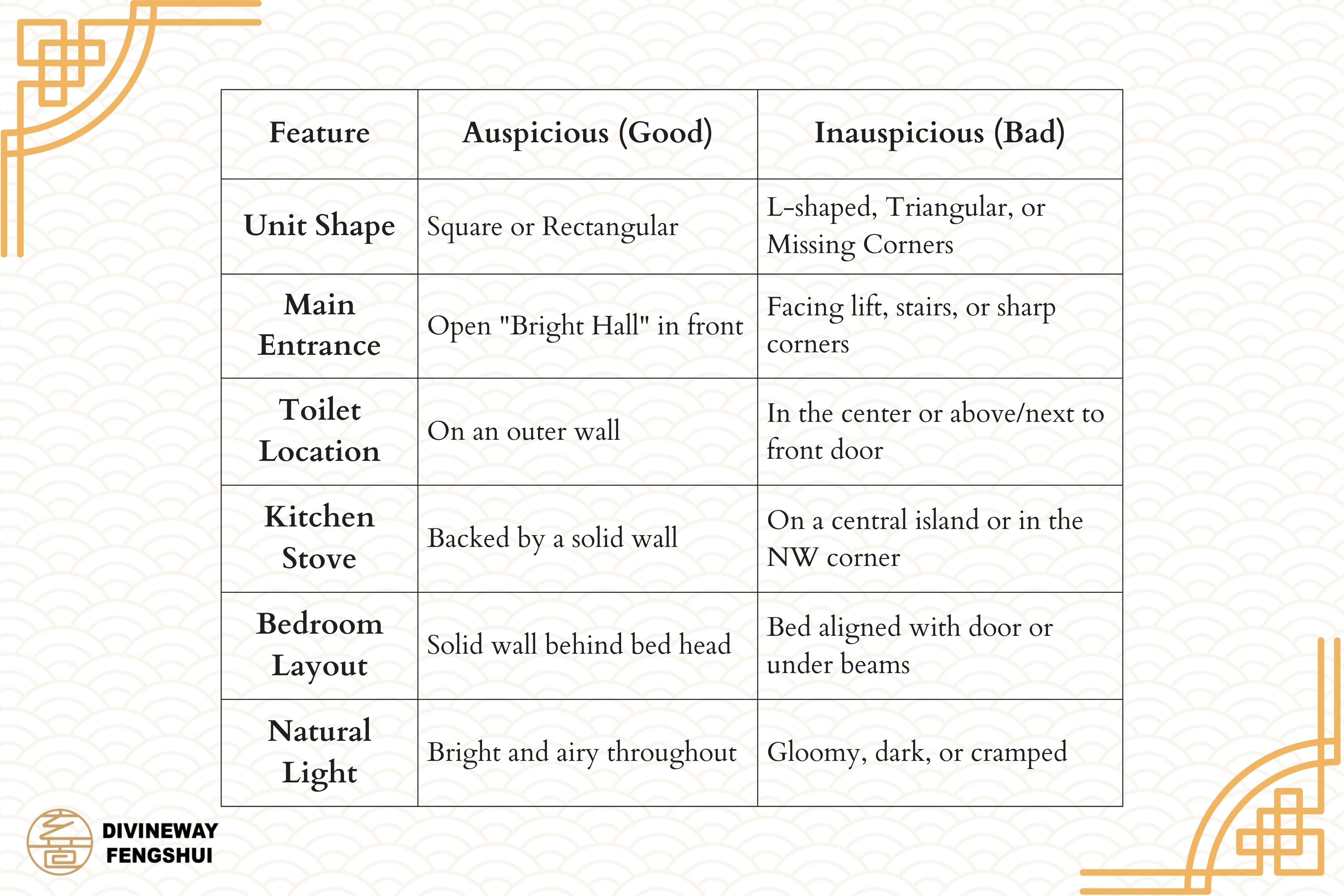
Summary of Key Residential Feng Shui Checks
To make this easier for your next viewing, you can use this table as a quick reference guide. It covers the main things that are hard to change once you have moved in.
Personal Connection and Your Gut Feeling

Beyond all the technical rules of residential feng shui, you have to consider how you actually fit into the space. Everyone has certain directions that are better for them based on their birth date. This is usually called the Eight Mansions method.
If you can, try to find out which directions are good for you so you can align your bed or your workspace accordingly. It is a good idea to avoid a home that faces your total loss direction because that is just asking for trouble.
But at the end of the day, you should really trust your gut. There is no such thing as a house with perfect residential feng shui.
The most important thing is how you feel when you cross the threshold. If you walk in and feel heavy, tired, or just plain uneasy, then the house is not for you even if it ticks all the other boxes. A home should feel like a place where you can breathe and recharge.
If you are really serious about a place but something feels off, you might want to get a professional to take a look. Some masters offer property selection services where they can review a unit before you sign the lease.
They can spot the subtle things like poison arrows or energy leaks that most people miss. Whether you go the professional route or just use these tips yourself, being aware of residential feng shui during your search will lead you to a much more harmonious home.
A lease is more than just a piece of paper. It is the foundation for your life for the next few years. Making sure that foundation is solid from an energy perspective will make everything else in your life feel a little bit easier.

Related Posts


Have a question for us?
We welcome any question with no commitments. Master Louis Cheung will seek to clarify any doubts you may have.
“Master Louis Cheung has an approachable and comfortable personality along with competent skills. I can confidently recommend Master Louis Cheung to my friends. Thank you, Feng Shui Master Louis Cheung.”
 James H.
Senior Financial Analyst