

Feng Shui isn’t just about where you put a plant or a water feature. In the world of business, it actually translates to how energy moves and how productive your team feels.
Bad Feng Shui means you have a layout that actively blocks or scatters positive energy. This often shows up as awkward floor plans, messy interiors, or even issues with the buildings around you.
These physical problems can cause real business trouble like dropping sales or high staff turnover.
Why Irregular Layouts Kill Business Momentum
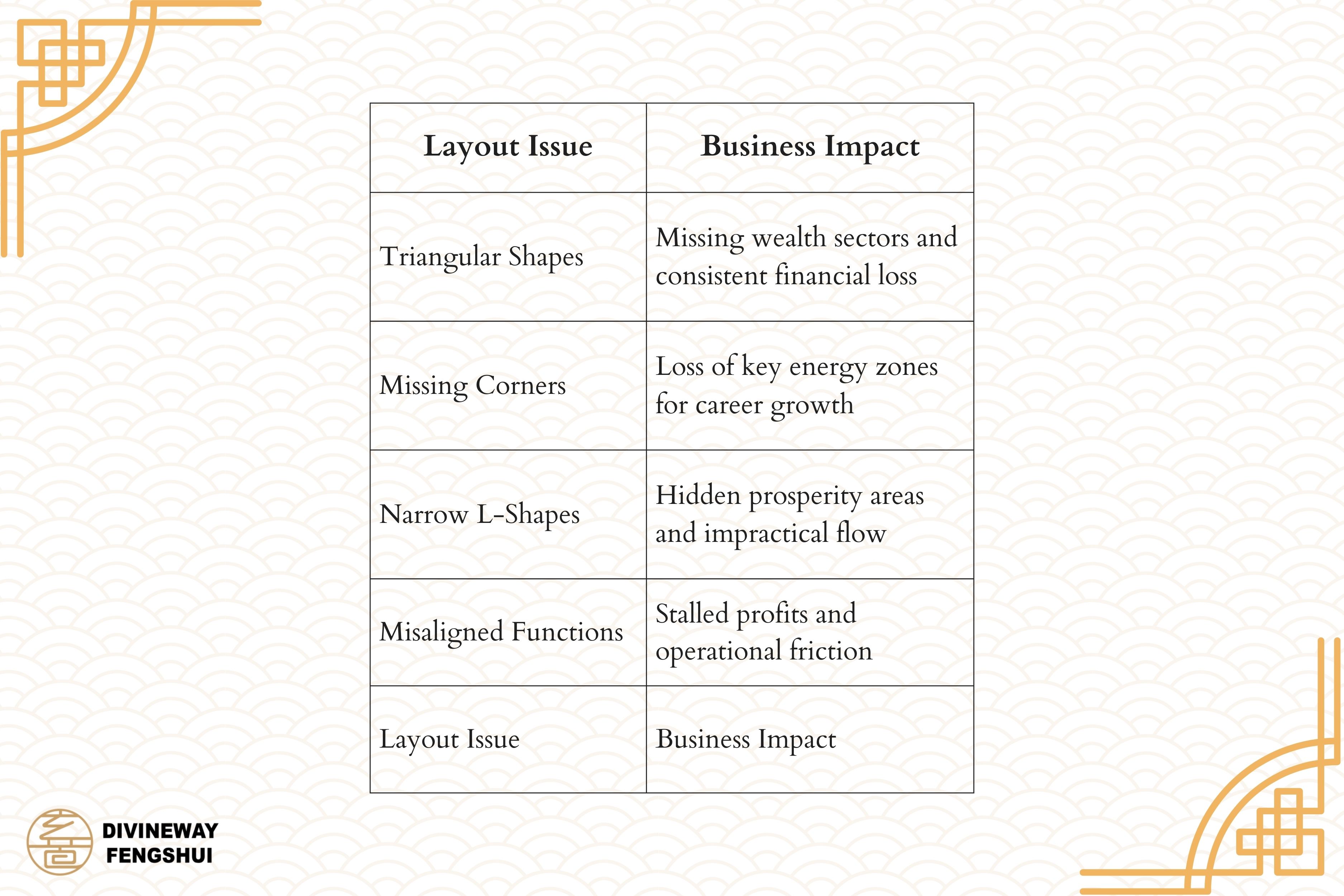
One of the biggest issues you can run into is an odd floor plan. Buildings with weird shapes or big notches often lose vital energy zones.
In practice, this means you might be missing the specific sectors that govern wealth or career success. You might have a space that looks modern and unique, but it could be hurting your bottom line.
A square or proportionate shape is usually the best choice for an office. If you have a narrow L-shape or a deep notch, you might be hiding your wealth area.
One consultant found an office that was almost triangular. This shape meant the “money” corner was physically missing from the space. Any company that leased that office suffered because the foundation for prosperity just wasn’t there. Tenants in that building kept failing and left as soon as their leases ended.
The physical layout of your workspace often dictates your financial health. If your wealth sector is too small or used for the wrong things, your profits might stall.
Making a profit becomes a fundamental challenge when your office functions are misaligned. Some layouts are so bad that they simply cannot be cured. You should choose your office carefully before you rent it because you might be stuck there for three years.
Dealing with Blocked Entrances and Poor Flow
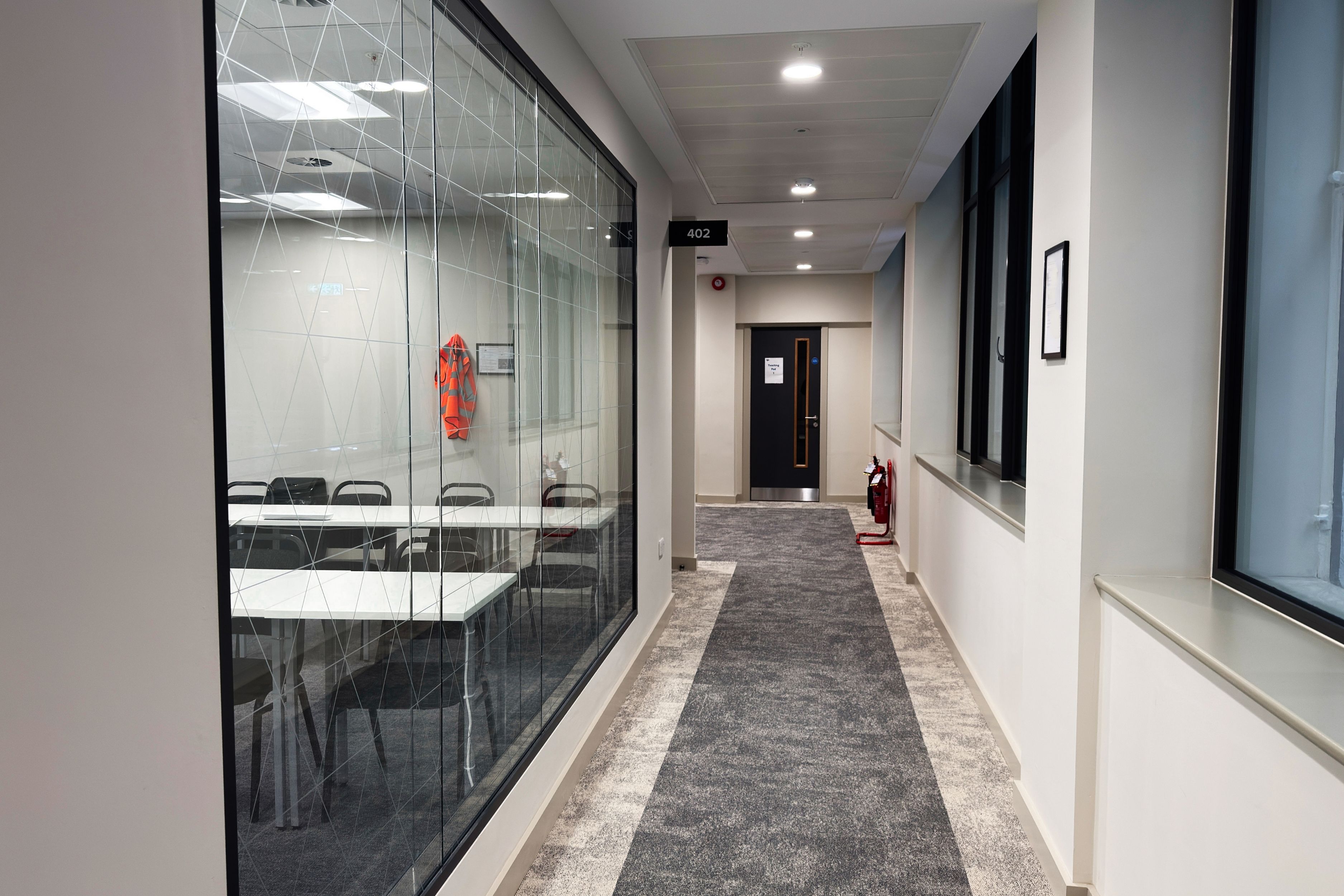
The main door of your business is essentially the “mouth of chi”. This is where your customers and your energy enter the building. If the path into your office is blocked or too tight, good energy cannot circulate. A bad entrance makes it very hard for a business to grow.
- Entrances facing a solid wall feel oppressive and stop energy flow.
- Narrow corridors leading to a door create rapid and negative energy.
- Mirrors placed directly across from a front door bounce all the good fortune back out.
- Entrances that only allow a few people to stand outside can cause profits to lag.
One example involved an office door that opened into a blank wall at the end of a tight corridor. The space felt very constricted. The team noted that profits stagnated until the company finally moved to a better layout.
Even a slanted adjustment to the door could not overcome the fundamental problem of the location. Unless your company is already very strong, you will find it hard to counter these rapid energies. If your entrance faces stairs or a constricted hallway, you might end up stuck with low profits for years.
The Real Cost of Clutter and Maintenance Issues
A tidy environment is one of the simplest principles to follow. Clutter blocks the flow of energy and leads to stagnation and fatigue.
In a business, this looks like piles of paper in the hallways or boxes blocking the aisles. This chaos eventually weighs on the mood and focus of everyone in the building.
Neglecting maintenance is another common pitfall for many companies. Cracked walls, peeling paint, or flickering lights send a subconscious message of decay.
Damaged objects symbolize broken energy and sap the confidence of your team. A wobbly chair or a leaky faucet might seem small, but they pull your luck downward.
An unkempt office or storefront feels bad to anyone who walks inside. An untidy stockroom or a dusty reception area signals neglect to your customers. This makes employees less motivated and makes visitors feel uneasy.
You should fix drips and replace broken tiles immediately to avoid inviting more stagnant chi into your space. Simple repairs can help you avoid the feeling that your business is trapped by its own environment.

Architectural Features That Drain Productivity
Certain interior features can scatter energy and create stress. Harsh architectural details often act as “poison arrows”. These features shoot cutting energy across a room. You might not see it, but you will definitely feel it.
- Desks placed under low-hanging beams make people feel oppressed or anxious.
- Sloping ceilings create a subconscious “axe-head” effect over workers.
- Sharp corners from tables or walls create discomfort if they point at your seat.
- Mirrors on back walls of reception desks can turn away customers if they reflect the door.
You can soften these edges with plants, fabrics, or rounded furniture. Sitting under a heavy beam is something you should always avoid. If you have a mirror in your office, place it on a side wall instead.
This way, it can redirect positive sights like artwork rather than reflecting the entrance. These small shifts help people work with more ease and reduce daily friction.
Managing External Energy and Nearby Construction
External factors matter just as much as your internal layout. Nearby construction or ongoing renovations can be disastrous for a business. Facing a construction site is often a total nightmare for a shop or office. The negative energy is intense and can last for years.
When a demolition or build site is right across from you, your business feels constant strain. Sales can plummet as if something is fighting an invisible drain.
Even internal construction in your building can hurt your morale. If the floor above you is doing noisy renovation work, your staff might become the “scapegoats” for that bad chi.
Productivity often drops even if you haven’t changed anything inside your own office. You must watch for these external energy leaks to keep your firm from sagging.

Practical Steps to Restore Your Office Harmony
Bad Feng Shui usually shows up as real business problems. You might see unexpected losses or high staff turnover. Some companies realize too late that previous occupants of their space went out of business.
This is a major red flag that you should not ignore. Many businesses now consult specialists early to avoid these issues.
- Map your space to identify missing corners or problem spots.
- Reposition desks to avoid beams and sharp corners.
- Add plants to restore balance and soften harsh edges.
- Declutter regularly to keep energy moving through the office.
A consultant can help you turn these bad signs into opportunities for improvement. One company chose to renovate their old space instead of moving into a harmful triangular office.
That single decision helped them increase their business. You can save yourself many headaches by keeping a sharp eye on your environment. Simple fixes like fixing a leak or removing an obstruction go a long way.
When you face deeper issues like odd building shapes, you might need an expert to help you find a cure. With the right adjustments, your office can become a harmonious and thriving workplace.

Related Posts




Have a question for us?
We welcome any question with no commitments. Master Louis Cheung will seek to clarify any doubts you may have.
“Master Louis Cheung has an approachable and comfortable personality along with competent skills. I can confidently recommend Master Louis Cheung to my friends. Thank you, Feng Shui Master Louis Cheung.”
 James H.
Senior Financial Analyst