

Most professionals spend their lives in high-rise offices or compact shops. We often ignore how these surroundings actually affect our daily focus and bottom line.
You might think commercial feng shui sounds a bit mystical at first. In reality, it works like a data-driven assessment for your business environment. It aligns your physical workspace with your actual corporate goals.
This process helps you manage risks and find new ways to grow. It is about making the floor plan work for you instead of against you.
Getting the Preliminary Data Right
A professional audit starts long before anyone visits your property. The consultant needs to build a metaphysical baseline for your company first. They look at specific documents to understand the DNA of the building.
You usually provide scaled floor plans and the exact year of construction. This helps them determine the “Building Horoscope”. In the Xuan Kong Flying Star system, the timing of completion defines the energetic temperament of the space.
A building finished in 2010 sits in a different time period than one built in 2025. These time cycles change how wealth potential functions within the walls.
The consultant also needs the birth data of the founders and key management. This step integrates BaZi charts into the planning. It ensures the advice fits the leadership team specifically. Every person has different elemental needs.
A layout that helped the previous tenant might actually hurt your business. This happens if your personal energy conflicts with the orientation of the property.
The following table shows what you need to prepare for this stage.

Reading the External Environment
Surroundings contribute about seventy percent of a property’s potential. The practitioner spends a lot of time evaluating the macro environment outside your doors.
They look at how the local infrastructure interacts with your office. Roads are treated as virtual water in our urban landscape. They carry energy through the city. The audit assesses the speed and volume of this traffic.
Fast expressways might rip energy away from your building. Gentle curving roads tend to embrace the space and foster stability.
Architectural threats are another major focus. These are called Poison Arrows or Sha Qi. They include sharp building angles or lamp posts directed at your entrance.
In dense areas like Raffles Place, nearby skyscrapers create cutting energy. This often leads to legal disputes or high staff turnover. The audit identifies these threats early. Then the consultant determines if you can neutralize them with structural buffers.

The Importance of the Bright Hall
The practitioner also evaluates the Ming Tang or Bright Hall. This is the open space directly in front of your entrance.
A wide and well-lit Ming Tang allows energy to settle before it enters. This remains critical for attracting new customers and opportunities.
If you are in a mall, the audit tracks the flow of shoppers from the main atrium. The goal is to remove any stagnant pockets that stop energy from reaching your store.

Precision and the Luo Pan
The transition to the internal audit marks the start of precision measurement. The consultant uses a Luo Pan to get exact compass directions.
This traditional tool is very sensitive. Modern office buildings have a lot of metal and electromagnetic interference. The practitioner takes multiple readings at different spots to ensure accuracy. Even a one-degree difference can change the entire energy map.
Once they have the degrees, they overlay an energy map onto your floor plan. This map usually uses the Xuan Kong Flying Star and Eight Mansions systems.
These frameworks identify the distribution of different energy stars. Each star relates to a different business outcome like wealth or health.
How Energy Maps Work
- Flying Stars track energy movement over time.
- Water Stars govern your cash flow and wealth.
- Mountain Stars govern the people and their health.
- Eight Mansions identify fixed sectors that stay auspicious or inauspicious.
- The audit ensures key teams sit in sectors that support their roles.
- Finance teams should work in the Sheng Chi or wealth sector.
- Administrative staff benefit from the Fu Wei or stability sector.

Scrutinizing the Main Entrance
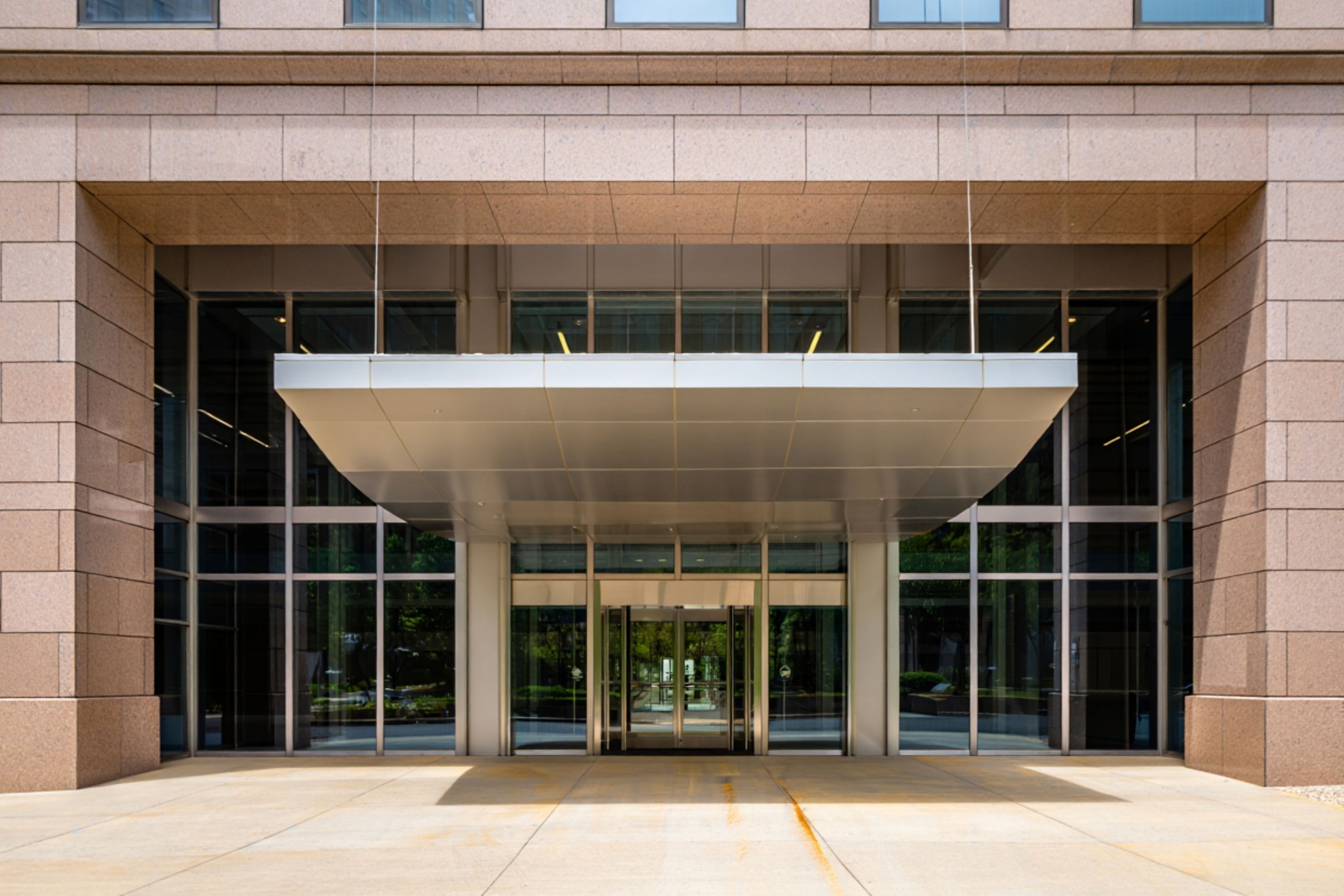
The main entrance is the Mouth of Qi. It acts as the primary portal for energy and opportunities. An improperly aligned door can ruin the benefits of a good layout.
The practitioner looks for energy leaks first. A back door directly opposite the entry causes wealth to flow out too fast. In a retail setting, the audit checks if the door is wide enough. Clutter or poor lighting at the entrance blocks prosperity.
The reception desk also plays a huge role in managing energy intake. The consultant ensures the receptionist sits in a Command Position. They should see the entrance from a diagonal angle.
Facing the door directly causes high stress and burnout for staff. Specific materials like wood or stone help balance the five elements here.
Auditing the Leadership Space
The most critical part of an office audit is the CEO’s desk. Leadership spaces represent the authority and direction of the whole firm.
Their alignment impacts the quality of every decision made. The Command Position requires the leader to see the door clearly. They also need a solid wall behind them for support.
Vulnerable positions include sitting with your back to the door or under an exposed beam. These setups cause subconscious anxiety and lead to office politics.
The audit also covers the boardroom. This is where you finalize important deals. Round or oval tables promote equality and smooth communication. Rectangular tables have sharp edges that often lead to confrontational negotiations.
The meeting leader’s chair should also stay in the command position. This helps them maintain control over the proceedings.
Industry Variations and Unique Needs

Every industry requires a different energetic profile to succeed. A retail shop has different needs than a factory or a restaurant. In retail, the audit focuses on human flow and cashier placement.
The counter should ideally sit on the White Tiger side. This ensures financial retention and stability. If the cashier faces the exit directly, money flows out of the business.
- Retailers need to identify Dead Zones where energy stagnates.
- Mirrors or bright lighting can expand Qi in these quiet areas.
- F&B businesses treat the kitchen as the engine of wealth.
- The audit checks the relationship between the stove and the sink.
- A clash between fire and water causes staff illness and instability.
- Industrial plants prioritize smooth production and machinery safety.
- Machinery should avoid the 3 Killings sectors to prevent accidents.
The Final Report and Implementation
The audit ends with a comprehensive recommendation report. This is a confidential and technical document. It serves as a blueprint for your physical transformation.
It contains energy charts and clear instructions on which areas to activate. You will see specific furniture adjustments like the exact angle for your desk. The report also lists elemental cures like colors or water features.
Auspicious date selection is another key part of the final report. You need the right dates for renovations or your grand opening.
This helps you capitalize on favorable time cycles. Finally, the consultant performs a verification visit. They return to the site after you implement the changes. They check every detail to ensure you executed the plan correctly.
Why Businesses Still Invest in This
Many companies use commercial feng shui to gain a subtle edge. High rental costs and talent shortages put a lot of pressure on local firms. The audit helps solve the manpower crunch by creating a better workspace.
It reduces staff stress and fosters loyalty among employees. When people feel supported by their environment, absenteeism goes down.
The audit also acts as a form of energetic insurance. It helps identify sectors that cause a loss of wealth. Neutralizing these areas mitigates unexplained financial leaks. It improves your luck in securing new contracts and finding benefactors.
Modern audits are now viewed as a science of energy flow. Practitioners use a blend of history and psychology to deliver business intelligence. As we enter Period 9, businesses must audit their environments again. This ensures they stay aligned with the shifting tides of prosperity.
Related Posts




Have a question for us?
We welcome any question with no commitments. Master Louis Cheung will seek to clarify any doubts you may have.
“Master Louis Cheung has an approachable and comfortable personality along with competent skills. I can confidently recommend Master Louis Cheung to my friends. Thank you, Feng Shui Master Louis Cheung.”
 James H.
Senior Financial Analyst