

Bazi reading is an ancient Chinese astrology system that interprets your birth data to reveal key life patterns.
In BaZi (meaning “Eight Characters”), each person’s year, month, day and hour of birth (the Four Pillars) are translated into heavenly stems and earthly branches, which correspond to the 5 Elements of Feng Shui – Wood, Fire, Earth, Metal and Water.
These elements are fundamental “energies” in Chinese metaphysics. By mapping the balance and interaction of elements in your chart, BaZi practitioners claim to uncover insights about your destiny and character.
One guide notes that “the 5 Elements play a crucial role in understanding a person’s destiny and characteristics”. In other words, your elemental mix can indicate your personality, potential challenges and life path.
The Basics of BaZi and Wu Xing
BaZi charts boil down to elemental dynamics. Each pillar (year, month, day, hour) splits into a Heavenly Stem (top) and Earthly Branch (bottom).
There are ten possible stems (two for each element, yin and yang) and twelve branches (linked to the zodiac animals, each with an element). For example, someone born on a yang metal day in a fire year might have certain career strengths or relationship patterns suggested by that combo.
A balanced chart might include at least one of each element, but often one or two dominate.
The 5 Elements themselves have distinct traits and correspondences. Each element is associated with seasons, colors and life qualities, which colour a person’s character:


Together these elements form cycles that govern a chart’s dynamics. In the productive (generating) cycle, each element nourishes the next: Wood feeds Fire, Fire creates Earth (ash), Earth yields Metal, Metal condenses Water, and Water nourishes Wood. In the destructive (overcoming) cycle, elements control each other (Water extinguishes Fire, Fire melts Metal, Metal chops Wood, Wood parts Earth, Earth dams Water).
These interactions – creating harmony or conflict – shape the overall balance of your BaZi chart. For example, an excess of Fire with too little Water in a chart may indicate a need to “cool down” in life, while abundant Metal controlling Wood might suggest obstacles to one’s growth.
Reading Your BaZi Chart

To read a BaZi chart, a practitioner first maps out your Eight Characters (the Four Pillars). Then they assess elemental balance. A well-balanced chart has harmony among Wood, Fire, Earth, Metal and Water.
For instance, one might use the principle: “If a chart has a dominance of one element, it indicates the person’s life and personality are heavily influenced by that element… An absence of an element can point to potential challenges”.
A dominant Wood element may mark you as a pioneer or educator, whereas a weak Water element might flag issues with communication or adaptability.
Next, the reader examines interactions: Are the cycles primarily productive (supportive) or destructive (challenging)? Supportive cycles (e.g. your Wood nourishes your strong Fire) suggest smooth periods and helpful relationships. Conflict cycles (e.g. excessive Earth blocking Water) can manifest as friction or obstacles in your life. One guide explains: “Elements in a destructive relationship can indicate potential conflicts or challenges. For example, a strong presence of both the Metal and Wood elements might suggest conflicts between structure (Metal) and growth (Wood) in one’s life.”.
The Day Master (your central element) is key. Its balance against the rest of the chart indicates your inner strengths and vulnerabilities. A strong Day Master means you have inner resilience; a weak one means external support is needed.
A reader will often ask: What element does the Day Master need to be supported or controlled by? For instance, if your Day Master is Fire and you have little Wood (which feeds Fire), you might need more creative or nourishing influences in life (like pursuing hobbies or mentors that add “Wood” energy).
How Five Elements Shape Life
Once the chart is analysed, how does it apply to everyday life? According to BaZi theory, your elemental mix can explain personal traits and life cycles:
Final Thoughts
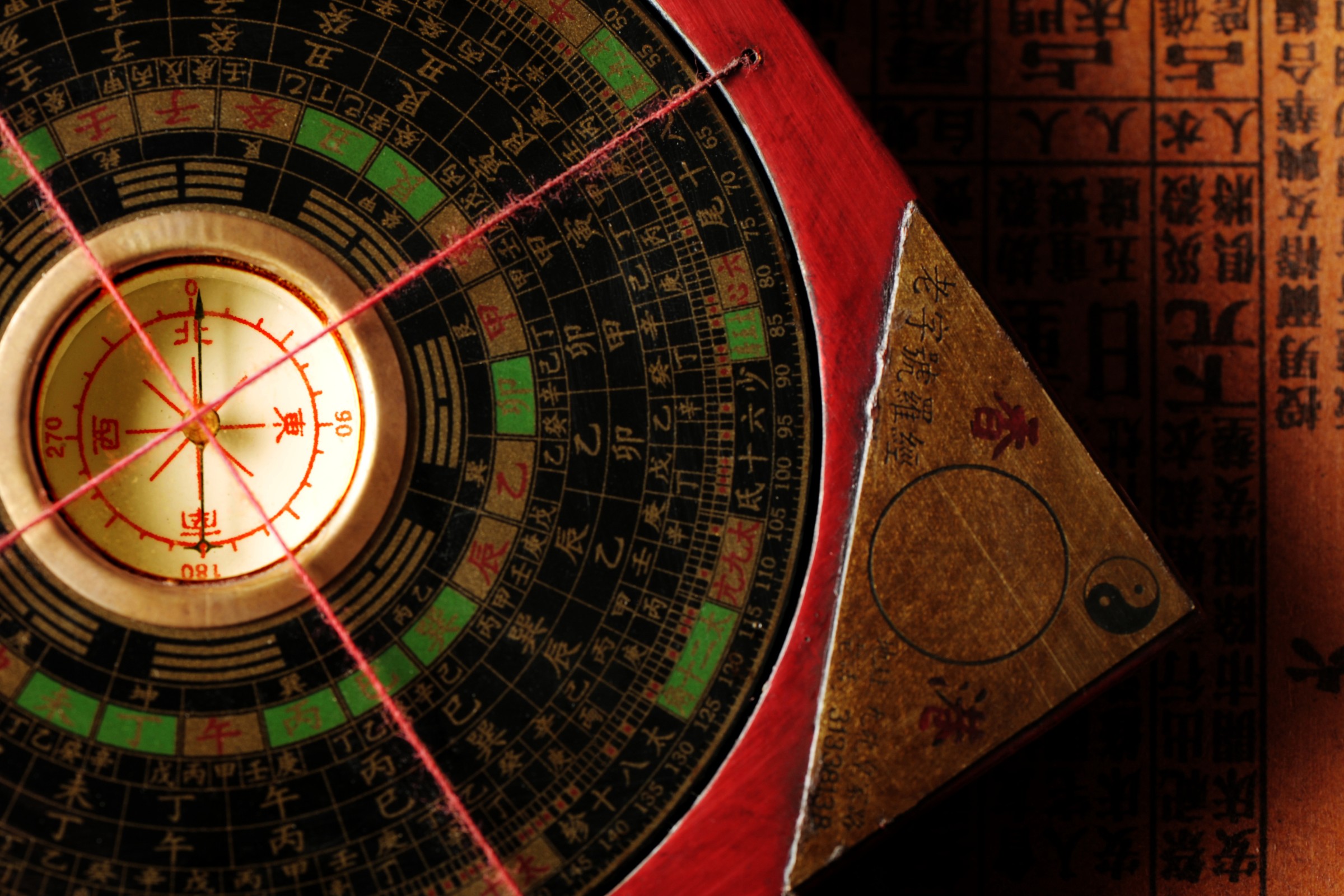
To sum it all up, Bazi reading weaves the 5 Elements into a personalised life profile. By understanding your unique elemental makeup – which elements dominate or lack, and how they cycle – you gain a framework for self-awareness.
It’s a bit like a weather report for life: knowing you’re entering a “water-rich” phase suggests you might need to be adaptable, whereas a “woody” season could be great for growth projects. Ultimately, this ancient system posits that “our lives are influenced by cosmic forces that operate on cycles” – meaning the elemental energies present at your birth continue to play out through your journey.
Whether one views it as literal destiny or just a reflective tool, BaZi and the 5 Elements offer a structured way to think about personal strengths and challenges across all areas of life.


Have a question for us?
We welcome any question with no commitments. Master Louis Cheung will seek to clarify any doubts you may have.
“Master Louis Cheung has an approachable and comfortable personality along with competent skills. I can confidently recommend Master Louis Cheung to my friends. Thank you, Feng Shui Master Louis Cheung.”
 James H.
Senior Financial Analyst