If you’ve spent any time walking through a new BTO estate or a high-end condo gallery in Singapore, you’ve probably noticed that things feel a certain way. There’s a specific logic to where the walls are placed and how the light hits the floor.
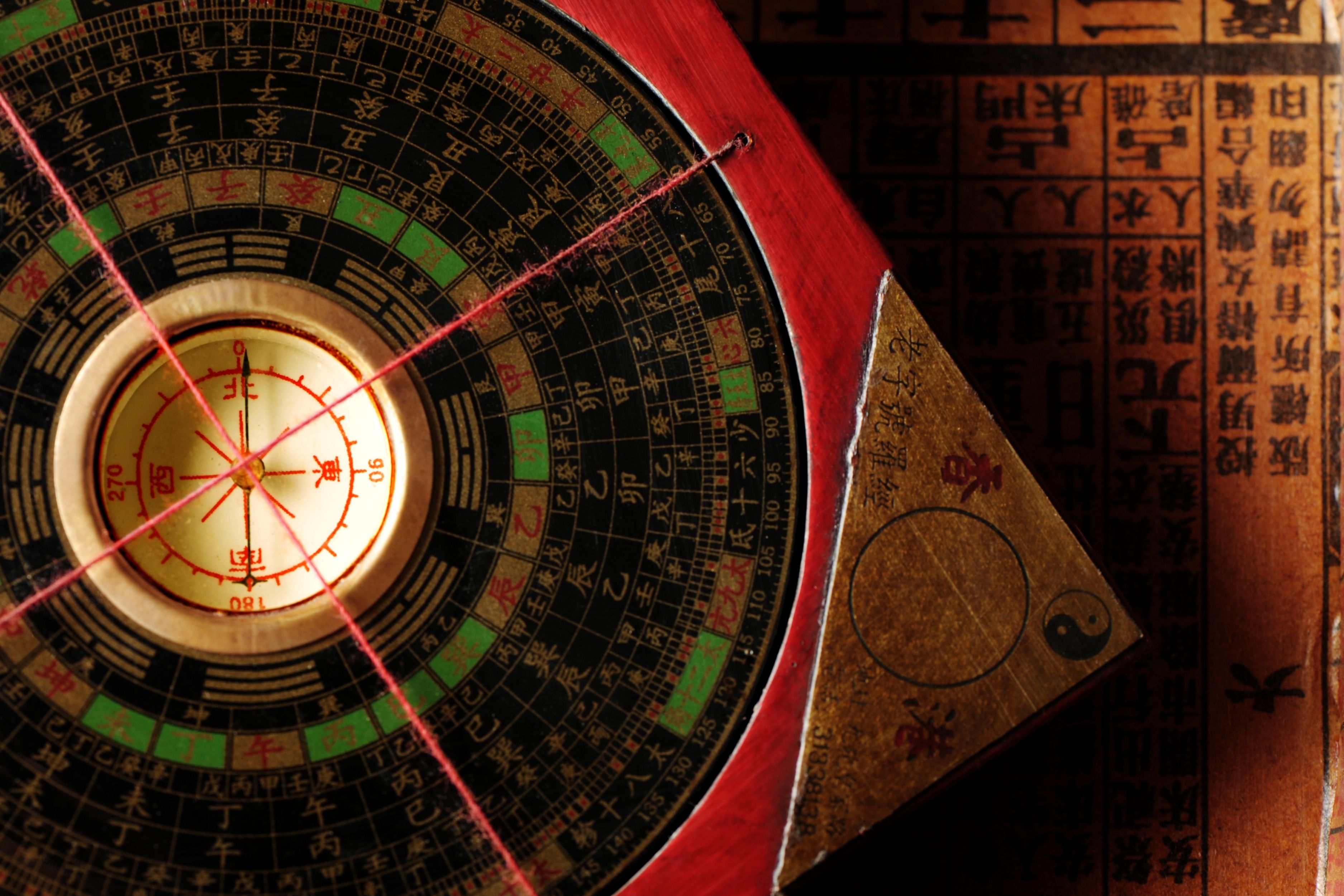
While we often chalk this up to “modern architecture,” there is a much older, quieter force at play. Feng Shui, which literally translates to “wind” and “water,” is essentially the study of how energy, or qi, flows through the places we live.
In Singapore, people don’t really look at this as just a collection of superstitions. It’s more of a practical framework for making sure a home actually works with its environment. The National Library Board even describes it as a study of a person’s position within their surroundings.
It covers everything from the way a building faces the street down to the specific colors you pick for your rug. We’ve moved past the era of just hanging up lucky coins; today, it’s about creating a “harmonious and happy interior” where every single square foot has a clear purpose.
Why Feng Shui Singapore is No Longer About “Lucky Charms”
The modern approach to feng shui singapore has changed a lot. If you look at the trends being discussed by practitioners like Divineway, you’ll see that the focus has shifted almost entirely toward practical results rather than ritualistic performances.
Homeowners today are much more interested in a layout that feels right instinctively. They want a space that flows energetically and looks good at the same time. This is why you’ll see so many “stylish feng shui-inspired homes” that look like they belong in a design magazine rather than a temple.
Instead of cluttering a room with charms, designers now bake the five elements—wood, fire, earth, metal, and water—directly into the textures and materials of the house. This shift means that the practice has become a legitimate design tool. It’s about tweaking the floor plan for better air and energy circulation so that the house itself does the work.
People are now bringing in consultants at the very beginning, sometimes before they’ve even signed the renovation contract, to make sure the kitchen and bedroom placements aren’t going to cause issues later.
Integrating the Five Elements
To give you an idea of how this actually looks in a modern flat, here is how those elements are typically balanced without making the place look dated:
- Wood: This usually comes in through timber furniture or a collection of indoor plants that bring some life into the room.
- Fire: You don’t need a literal flame; warm lighting and small red accents can represent this energy.
- Earth: Ceramic decor, stone finishes, or even just specific earthy textures help ground the space.
- Metal: This is easy in modern homes—think clean metal frames, stainless steel appliances, and sharp, minimalist lines.
- Water: Mirrors are a huge one here because they reflect light, but small water features or fountains are also common.
This balance is often achieved using very contemporary materials, which is why a lot of these homes end up having a very chic, minimalist vibe while still being balanced on a geomantic level.
Practical Feng Shui Singapore Strategies for Modern HDB Living

Most of us—around 80%—live in HDB flats or high-density condos. This creates a very specific set of challenges because you can’t just knock down every wall or move your front door whenever you feel like it.
HDB Feng Shui is really about “high-density living”. You have to work within the constraints of where the government put your toilet, your kitchen pipes, and your shared walls. Because those structural elements are fixed, the strategy becomes about furniture placement and internal flow.
A square or rectangular floor plan is the gold standard here. If you have a room with a weird triangular corner or an L-shape, it often creates “agitation” or just plain awkward spaces that are hard to live in. People also pay a lot of attention to what’s happening outside the window.
If your unit is directly facing a noisy substation or the rubbish chute, it’s generally thought to disrupt the energy of the home, and some consultants might even tell you to avoid buying those specific stacks.
Everyday Design Choices
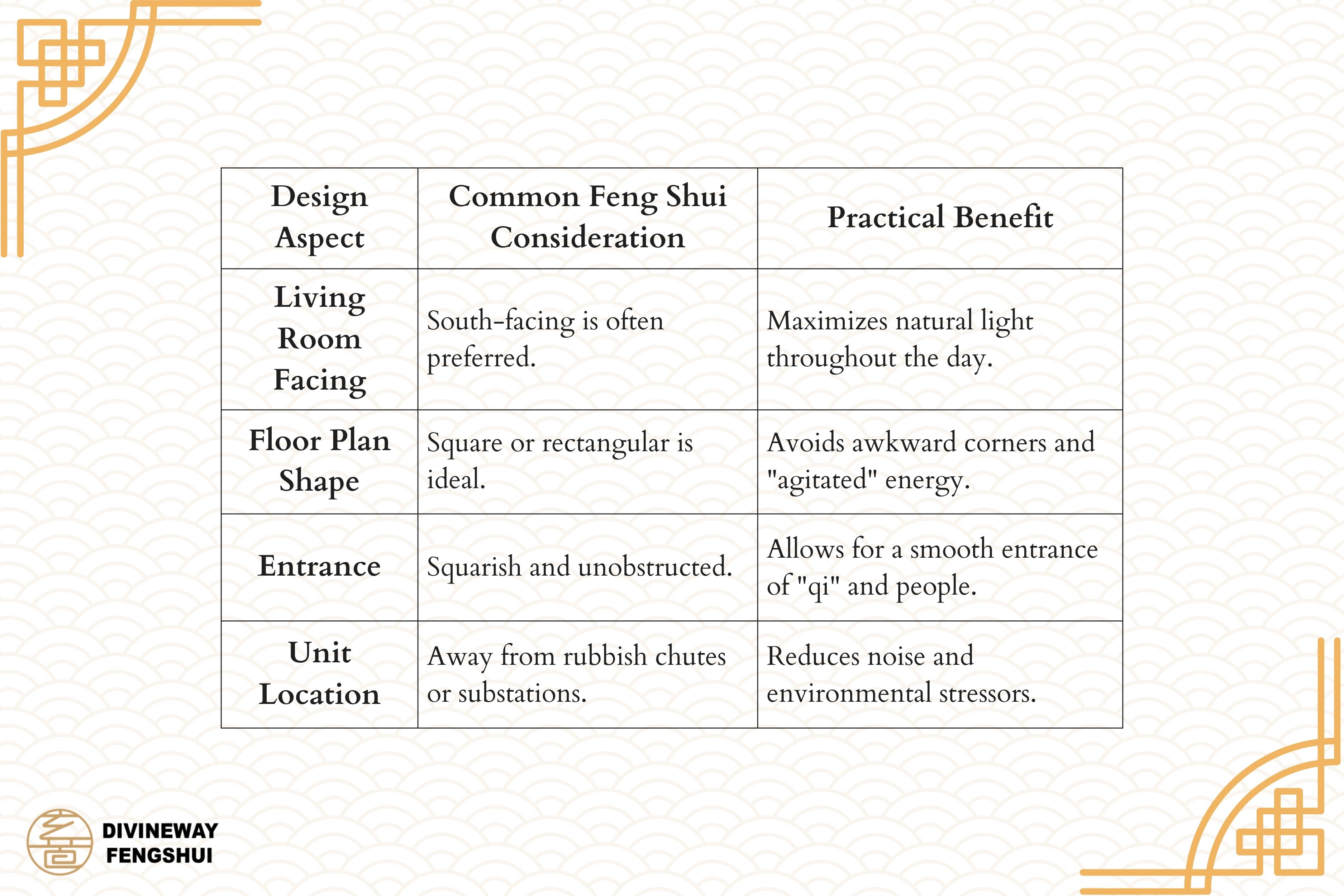
When you get these things right, it’s supposed to improve your daily life in ways you can actually feel—better sleep, fewer arguments with your family, and even a bit of extra career luck. Even in the most uniform HDB blocks, these principles are quietly guiding how people choose where to live.
Key Principles That Actually Work in Small Spaces
When space is tight, every decision matters more. In Singaporean home design, there are a few “non-negotiables” that almost everyone tries to follow. One of the biggest ones is the alignment of the doors.
Designers usually try to avoid having the front door directly face the back door or a staircase. If they are lined up, the idea is that the energy just rushes straight through the house and out the other side without ever settling.
Then there’s the concept of “uncluttered flow”. This isn’t just about being neat; it’s about making sure air and light can actually move. In many flats, windows are kept clear, and pathways are left open to encourage a calm atmosphere.
Some people add mirrors to reflect light, which effectively “doubles” the positive energy in a room that might otherwise feel small or dark.
Furniture placement is another huge area of focus:
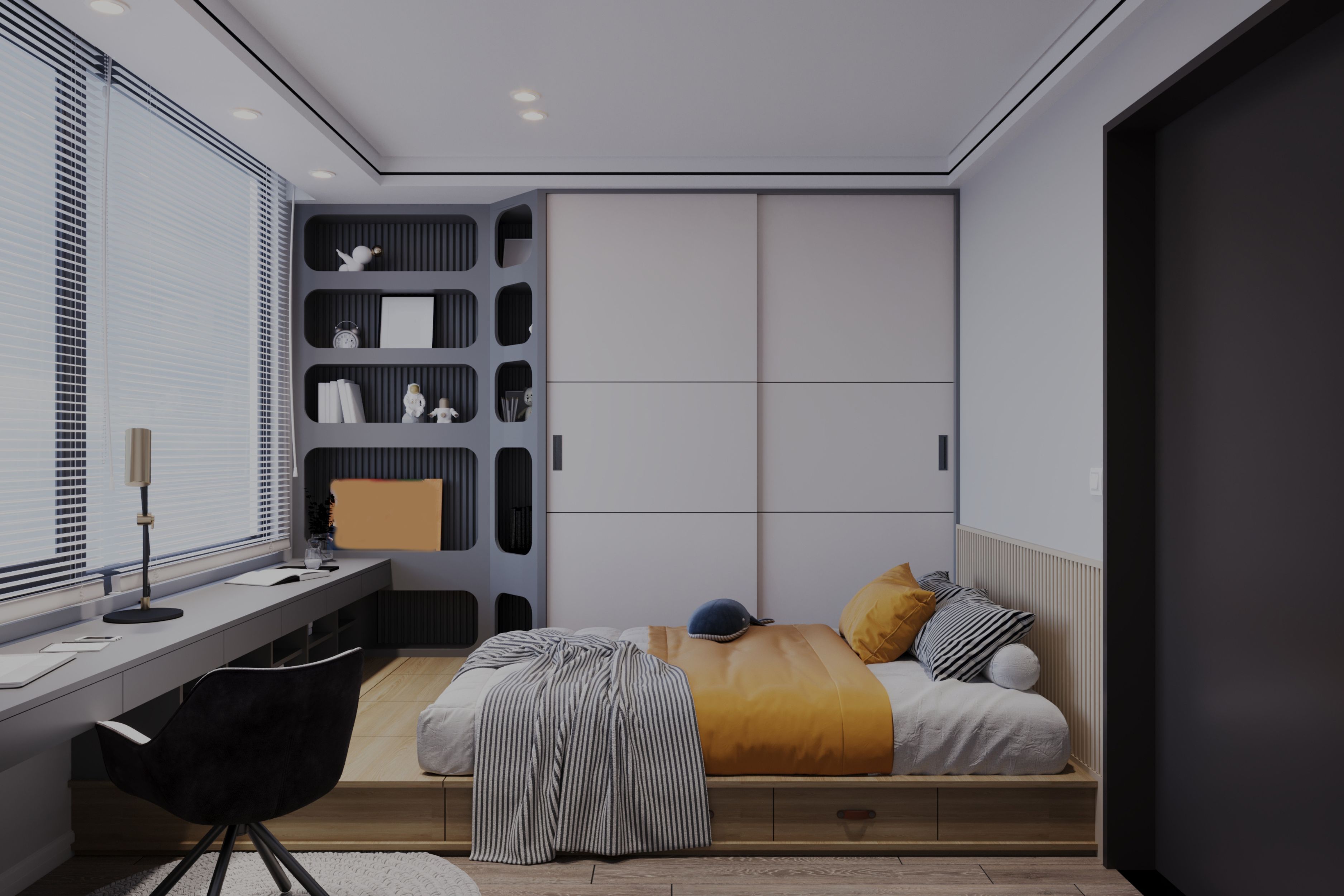
- Beds: You usually want the bed angled so you can see the door from where you’re sleeping, which gives a subconscious sense of security. However, you shouldn’t be directly in line with the door.
- Stoves: The kitchen is the heart of the home’s health, so the stove is placed very carefully according to the master’s advice.
- Altars: In many local renovations, like a famous one in a Pasir Ris flat, the altar is placed to face the main door to welcome prosperity. It’s also kept away from things like the TV to avoid conflicting vibes.
Real-World Examples Across the Singapore Skyline
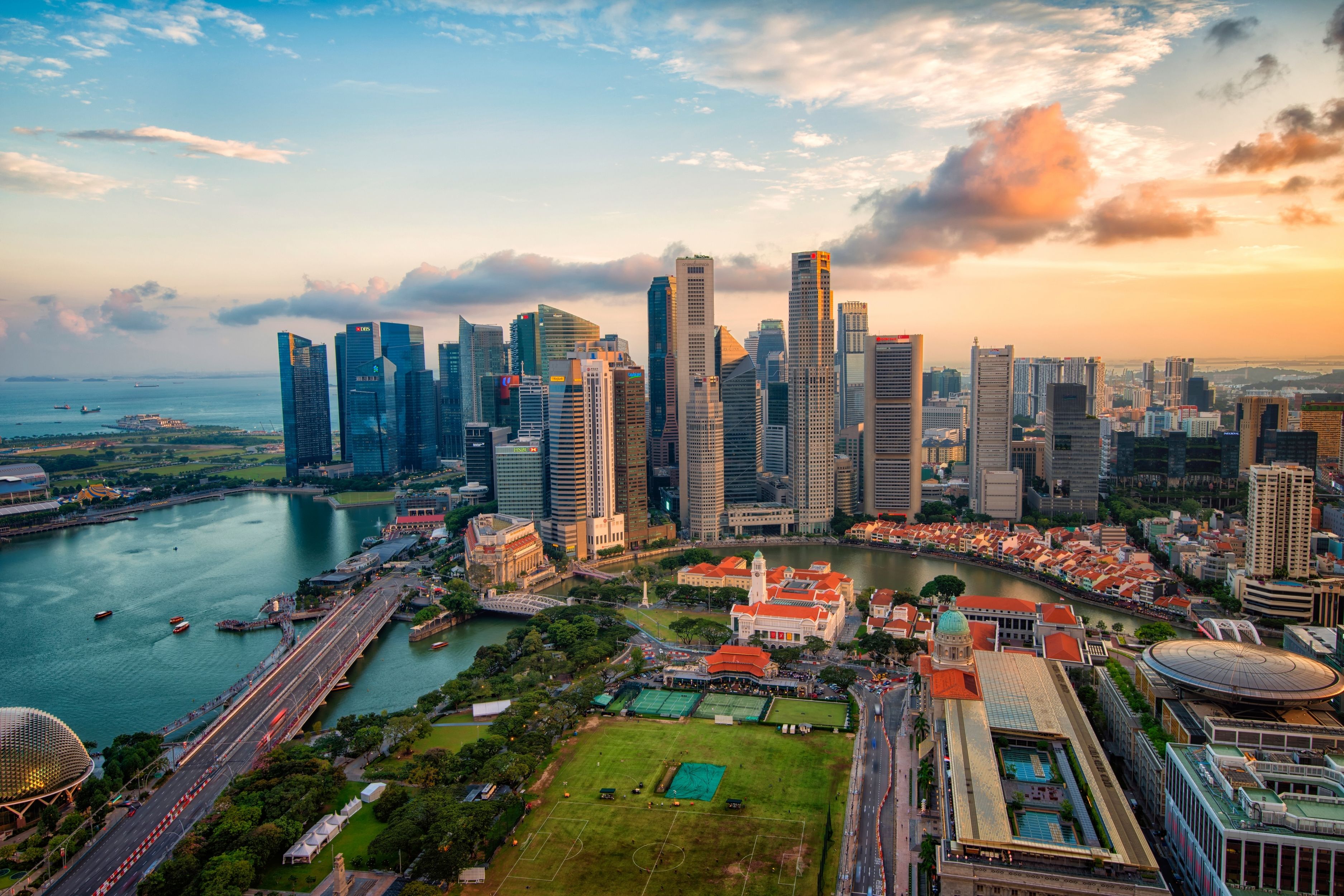
If you think this is only happening inside people’s living rooms, just look at the skyline. Developers know that buyers care about these things, so they often work with consultants from the very beginning to audit the layouts of the entire project.
Luxury developments like The Florence Residences have seen plenty of residents seeking out their own individual consultations to make sure their specific unit is optimized.
There’s a great example of a family in Pasir Ris who actually scrapped their old layout entirely and rebuilt their five-room flat once their designer and master approved a new plan.
The designer, Aloysius Ganiel, made sure the altar was perfectly aligned and that the energy flow wasn’t blocked by the usual household clutter. It’s a perfect case of ancient ideas influencing a very modern, high-end interior.
Even our biggest landmarks are built on these ideas:
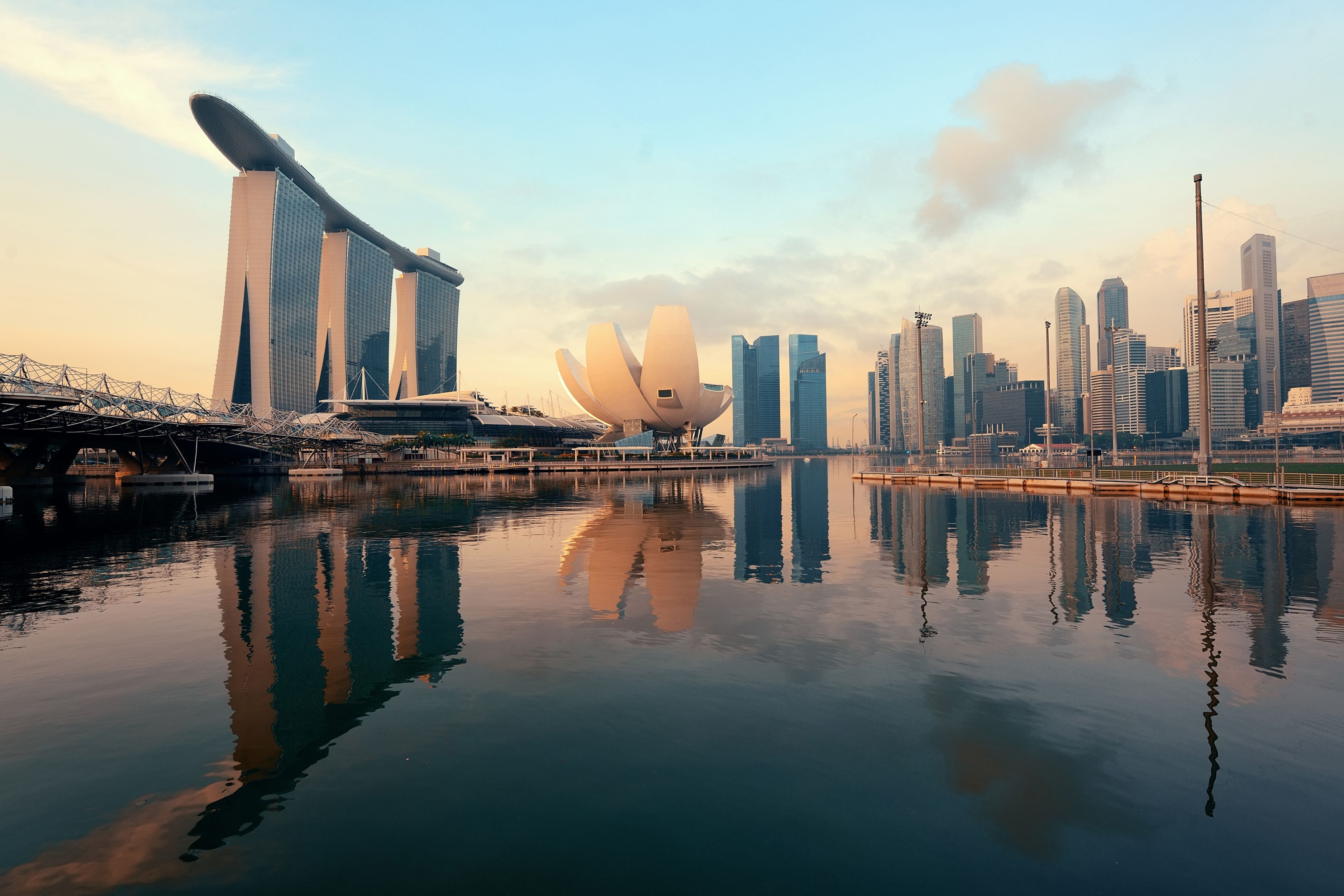
- Marina Bay Sands: This whole resort was designed with massive water elements to attract wealth and used auspicious geometry to ensure its success.
- Suntec City: The fountain there is probably the most famous example of a structure built specifically to embody prosperity.
- The Esplanade: On the flip side, some people actually worry about the “Durian” because its sharp, spiked geometry can be seen as a bit aggressive in Feng Shui terms.
This mix of old and new is why Singaporean homes can look so contemporary—like a Scandinavian-style flat with pastel colors and clean lines—while still being 100% planned around energy goals. You don’t have to scrimp on style to have good energy.
Final Thoughts on Designing for Harmony
At the end of the day, feng shui singapore has quietly woven itself into the way we think about “home”. It’s about more than just where you put your sofa; it’s a way of making sure that your living space actually supports the life you want to lead.
By paying attention to things like block orientation, floor plan shapes, and the balance of elements, architects and homeowners are creating spaces that feel genuinely balanced.
The result is a city where modern design and ancient geomancy don’t just exist side-by-side—they actually make each other better.
Whether you’re moving into a brand-new BTO or just trying to fix the vibe of your current place, these subtle shifts in planning can make a world of difference in how you feel when you walk through your front door.
Related Posts
Have a question for us?
We welcome any question with no commitments. Master Louis Cheung will seek to clarify any doubts you may have.
“Master Louis Cheung has an approachable and comfortable personality along with competent skills. I can confidently recommend Master Louis Cheung to my friends. Thank you, Feng Shui Master Louis Cheung.”
 James H.
Senior Financial Analyst