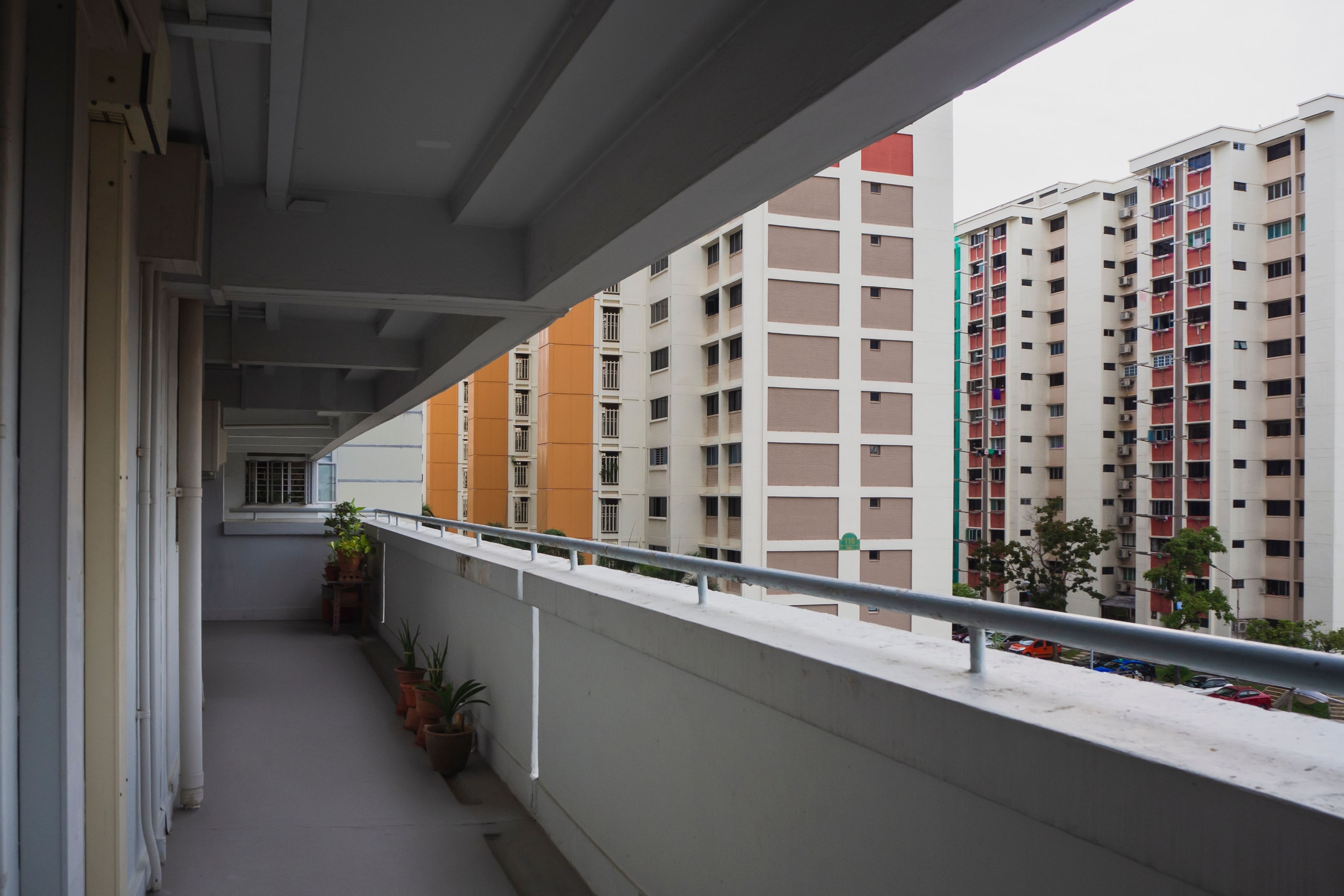
Most of us Singaporeans are living in HDB flats, which means we’re dealing with compact spaces and fixed layouts that we can’t exactly tear down on a whim. Because of those constraints, the way energy or Qi moves through your flat can either make you feel totally restless or completely at ease.
Modern HDB feng shui is really just about spatial psychology. It’s about looking at how your floor plan, your furniture, and even your windows affect your mood and your health. When you get the flow right, the space just feels “lighter”.
What Can Feng Shui Do for HDB Flats?
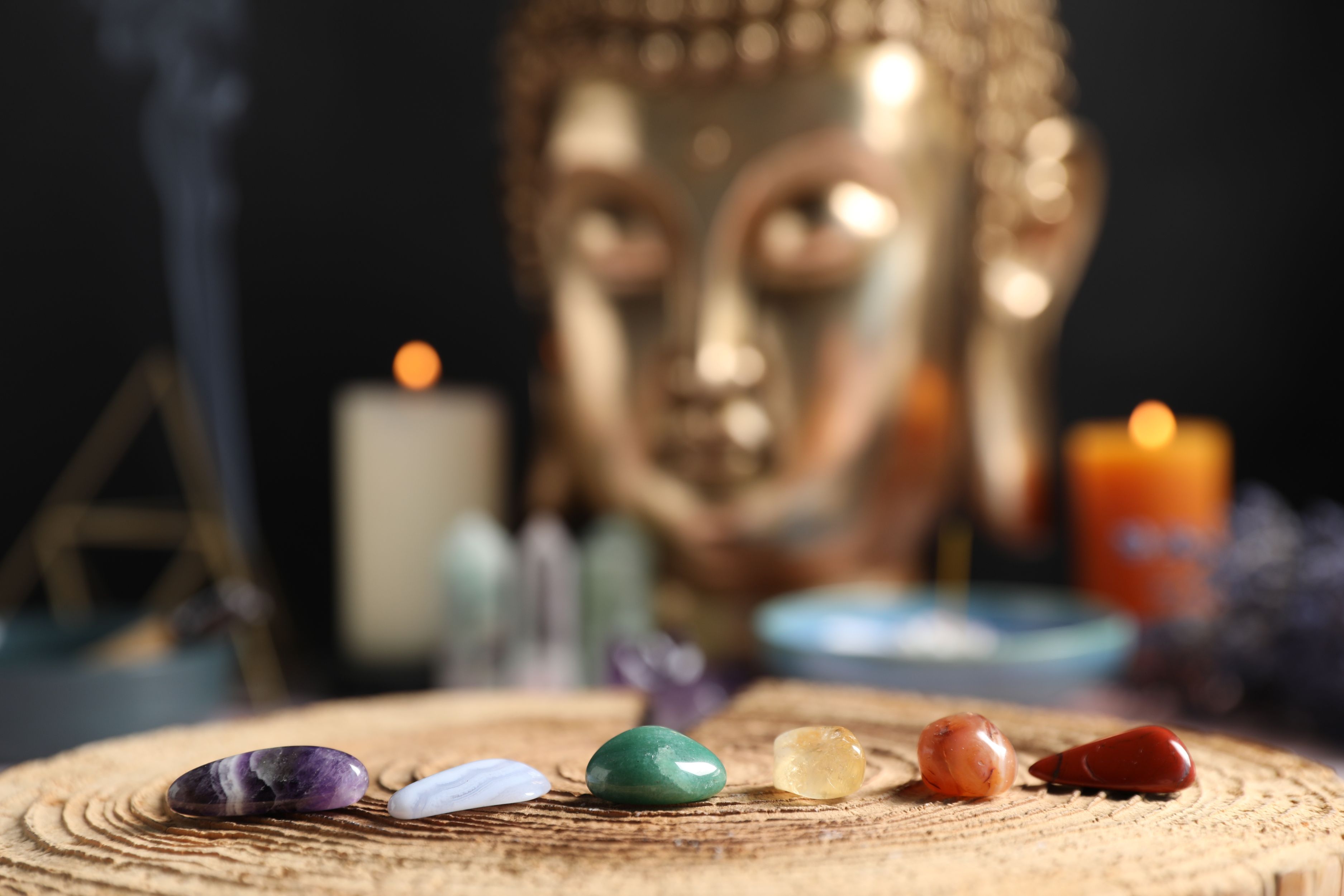
If you’re moving into a new BTO or a resale unit, you’re likely already stressed about the renovation. Applying these principles early on isn’t just a “nice to have”; it’s a way to ensure your home supports your career and your relationships.
Because HDBs have shared walls and common corridors, you’re constantly interacting with the energy of your neighbors and the environment outside. Good Feng Shui helps filter out that external noise. It creates a boundary where your home becomes a place to recharge instead of a place that drains you.
The Flow of Qi Throughout Your HDB Flat: Why is it Important?
Think of Qi as the breath of your home. In a tight apartment, if you have too much furniture or a weirdly blocked hallway, that breath gets stuck. Stagnant Qi is why some rooms just feel “stuffy” or “off,” even if they’re clean.
On the flip side, you don’t want the energy rushing through too fast. If your front door is perfectly aligned with your balcony or a large window, the energy enters and immediately exits before it can actually benefit you. You want a home that “collects” good energy, not one that acts like a wind tunnel.
Key Feng Shui Tips for HDB Flat Layouts and Design
Choosing the Right Unit
If you haven’t picked your flat yet, or if you’re looking at a resale, pay attention to the shape. You want a regular, rectangular floor plan.
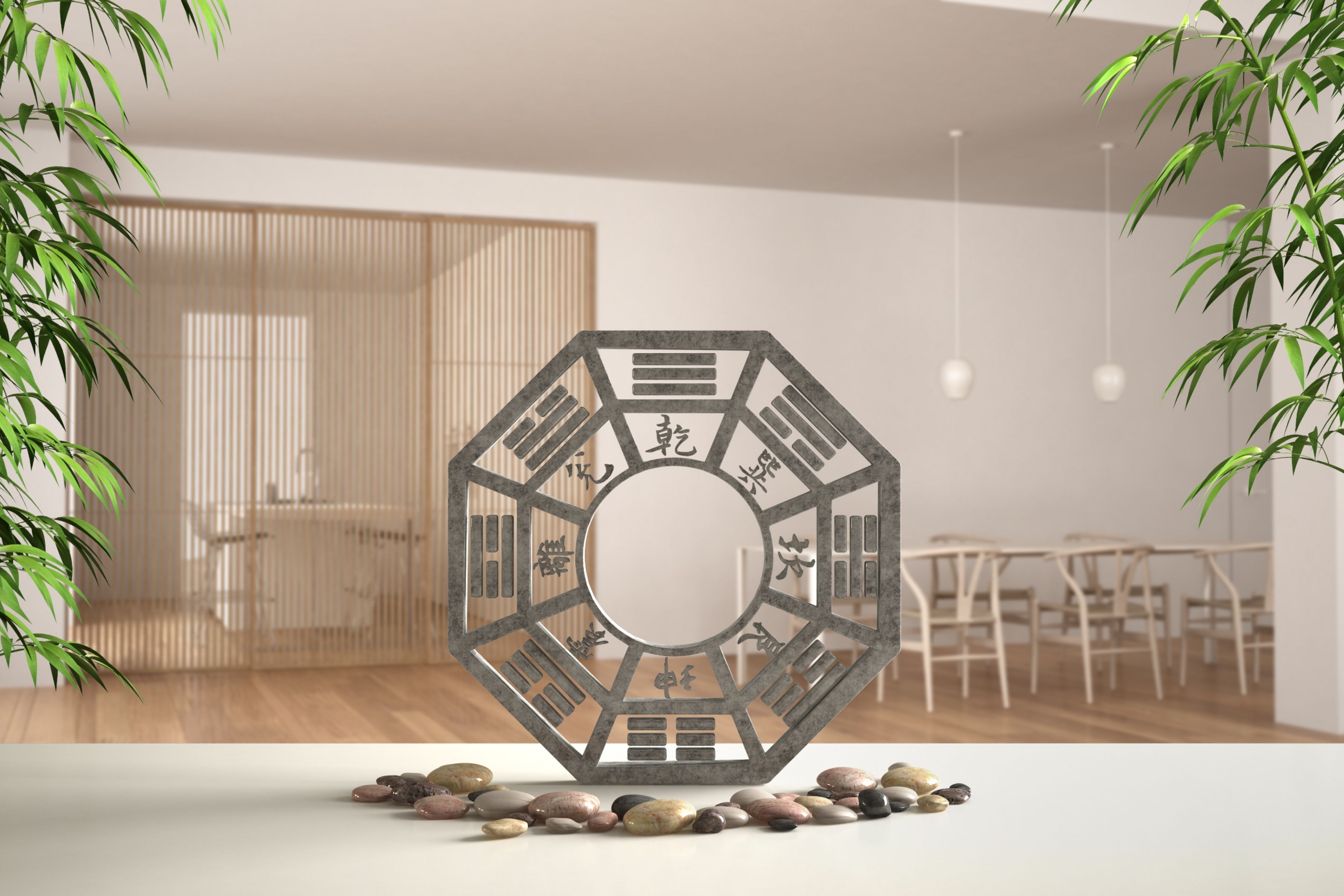
When you have “missing corners” or L-shaped layouts, you’re technically missing a sector of the Bagua map, which can correlate to things like a lack of support at work or strained family dynamics.
Orientation and Sunlight
In our climate, north-south facing units are usually the winners. They catch the cross-breezes and avoid that brutal afternoon sun that turns your living room into an oven.
A home that stays naturally cool has much better energy than one where you have to keep the curtains drawn all day just to survive.
External “Sha Qi”
Take a look out your windows. If your front door or your main window is staring directly at the sharp edge of another building, a busy intersection, or a long straight road, that’s considered “Sha Qi” or “poison arrows”.
It’s essentially aggressive energy pointing straight at you. You also want to be wary of being too close to hospitals or cemeteries, as those areas have very high “Yin” energy, which can feel heavy.
The Room-by-Room Breakdown

The Entrance: The Mouth of Qi
The front door is the most important part of HDB feng shui because it’s where everything starts.
- Keep the foyer bright and totally clear of shoes and boxes.
- If your door faces a neighbor’s door directly, it can lead to bickering; a simple plant or a small divider inside your home can help break that line of sight.
- Avoid having the door face the toilet or the kitchen stove immediately, as this causes energy to clash or wash away.
The Living and Dining Area
This is the social heart of the flat. Since HDB living rooms are open-concept, you need to define the zones without building actual walls that block light.
- The Sofa: Always push your sofa against a solid wall. This gives you a sense of security and “backing”.
- Clear Paths: Don’t cram too much furniture into the middle of the room. You need enough space to walk comfortably without shimmying past a coffee table.
- The Dining Table: Avoid placing the table directly under a heavy overhead beam, as it can make you feel “compressed” while you eat.
The Kitchen: Fire and Water Balance
In Feng Shui, the kitchen is tied to your health and your ability to earn money. The biggest issue in modern flats is the “Fire and Water clash”.
- The stove (Fire) and the sink or fridge (Water) shouldn’t be right next to each other or directly opposite.
- If they are, try to put something “Wood” between them like a green plant or a wooden cutting board to act as a buffer.
- Never put the stove on a kitchen island where it’s exposed on all sides; it needs a solid wall behind it to keep the “wealth” stable.
The Master Bedroom: Your Private Sanctuary
The bedroom is about rest, so the energy here needs to be “Yin” (quiet and calm).
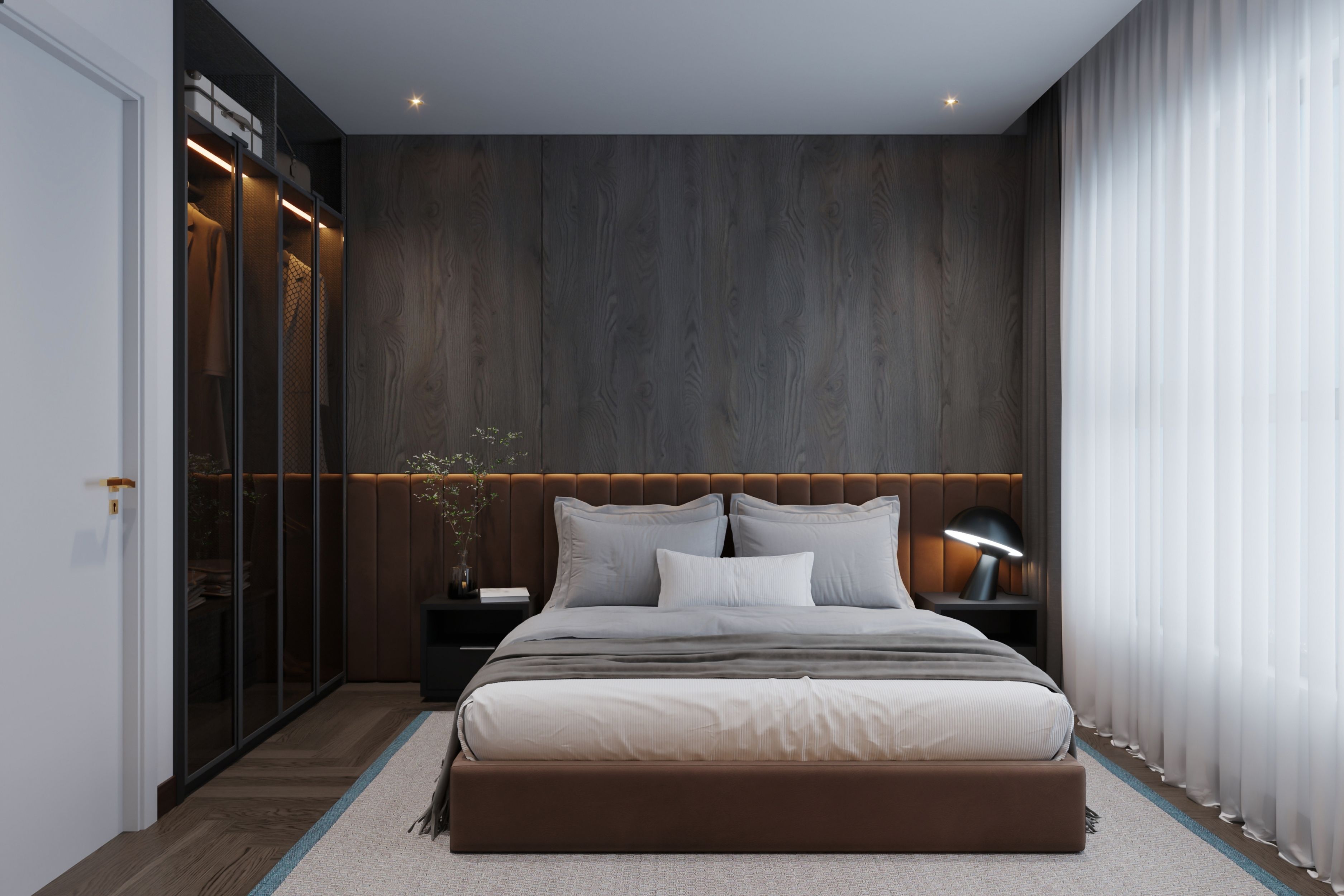
- The Command Position: Place your bed so you can see the door from your pillow, but don’t have your feet pointing directly at it (this is called the “coffin position”).
- Solid Headboard: Always have a solid headboard pushed against a solid wall. Avoid putting your headboard under a window, which is unstable and can lead to poor sleep.
- No Mirrors: If you have a mirror facing the bed, cover it or move it. Mirrors bounce energy around, which is the last thing you want when you’re trying to pass out after a long day.
The Bathroom and Toilet
Because bathrooms involve a lot of running water, they are seen as places where energy “leaks” out.
- Keep the toilet lid closed when you aren’t using it.
- Keep the bathroom door shut, especially if it faces your bed or your front door.
- Use small plants or light colors to keep the space feeling fresh and to absorb excess humidity.
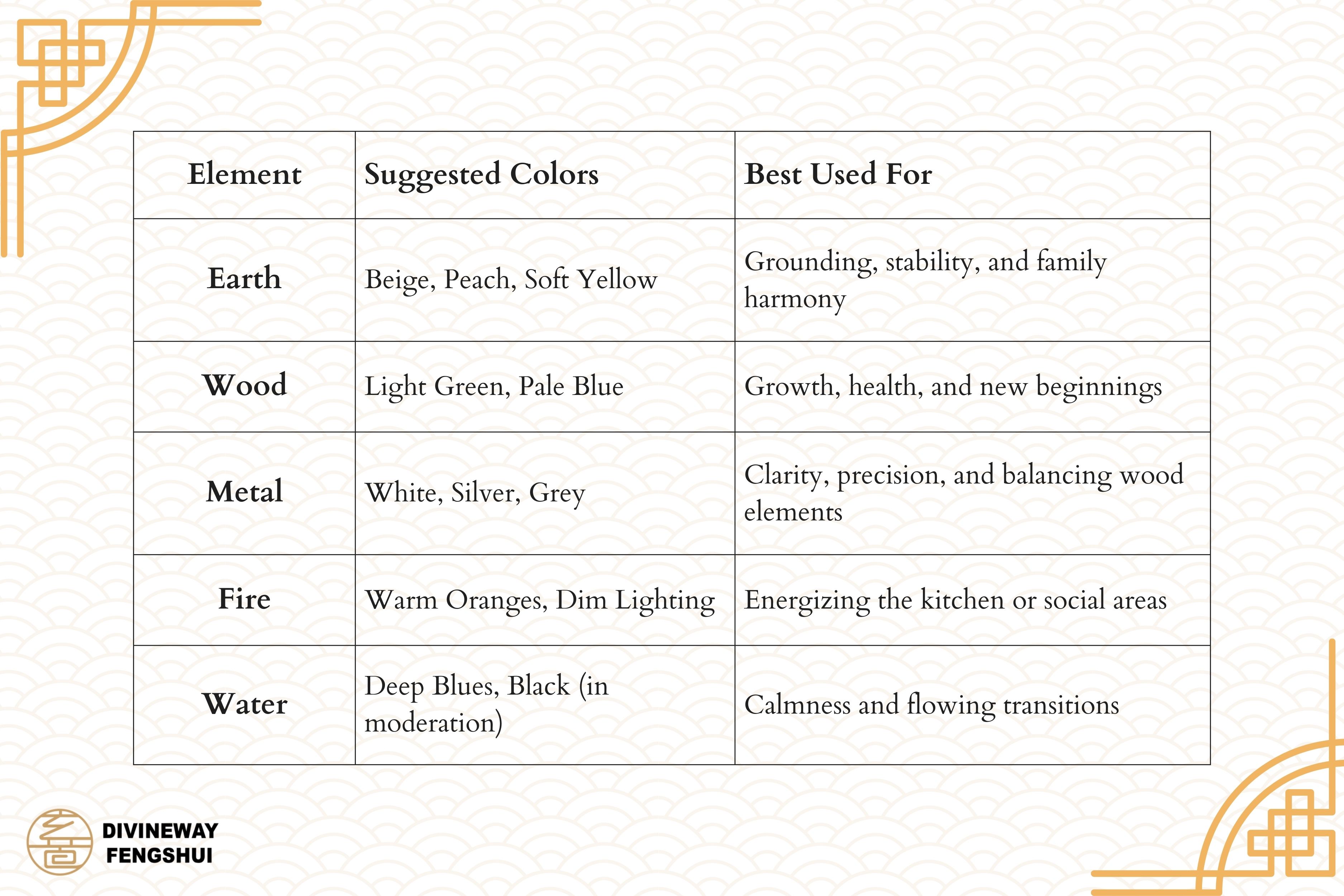
Quick Reference: Element and Color Guide
If you’re picking out paint or furniture, use this table to see how different elements work within your home.
Incorporating Feng Shui Elements in Your HDB Renovation
Renovating is the best time to fix layout issues before they become permanent headaches. If you have a long hallway where the front door looks straight at a bedroom door, consider a divider or a change in flooring to slow the energy down.
Plants are also a massive help. Living greens are a source of “Yang” energy that can brighten up a dull corner. Just make sure you actually take care of them, like a dead or dying plant is worse than having no plant at all because it represents decaying energy.
Consult a Feng Shui Master for Your HDB Flat Today!
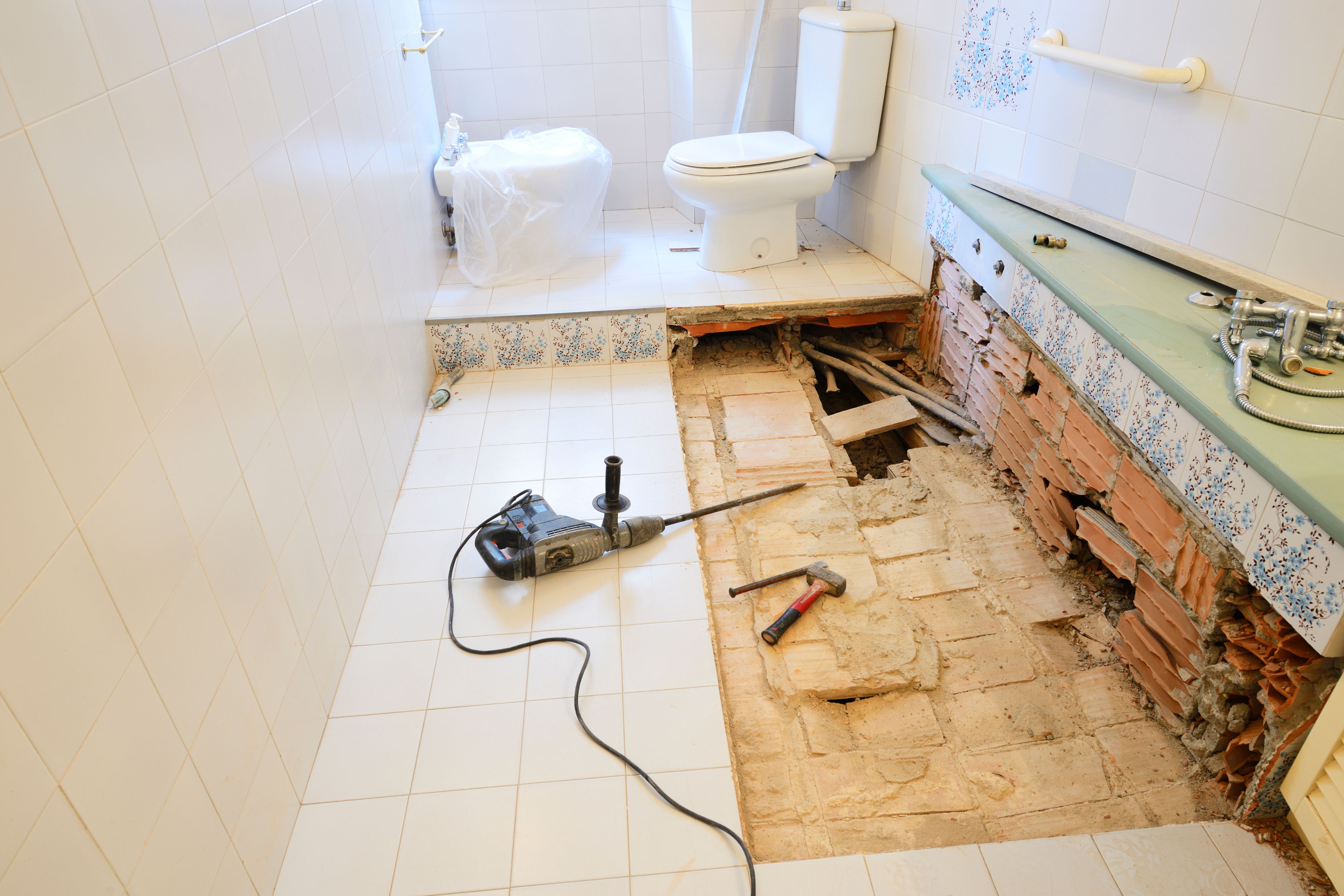
You can read all the guides in the world, but every flat is different. Sometimes a layout is just weird, or you’re dealing with a “poison arrow” from a neighboring block that you can’t quite figure out how to block.
A professional master doesn’t just look at a map; they look at how you actually live. They can help you with:
- HDB Flat Selection Day: Picking the unit with the best orientation before you sign the papers.
- Renovation Mapping: Making sure your walk-in wardrobe or kitchen island doesn’t mess with the “Qi” flow.
- Problem Solving: If you’ve been living in your flat and suddenly everyone is argued more or sleeping less, a master can find the environmental trigger.
Final Thoughts
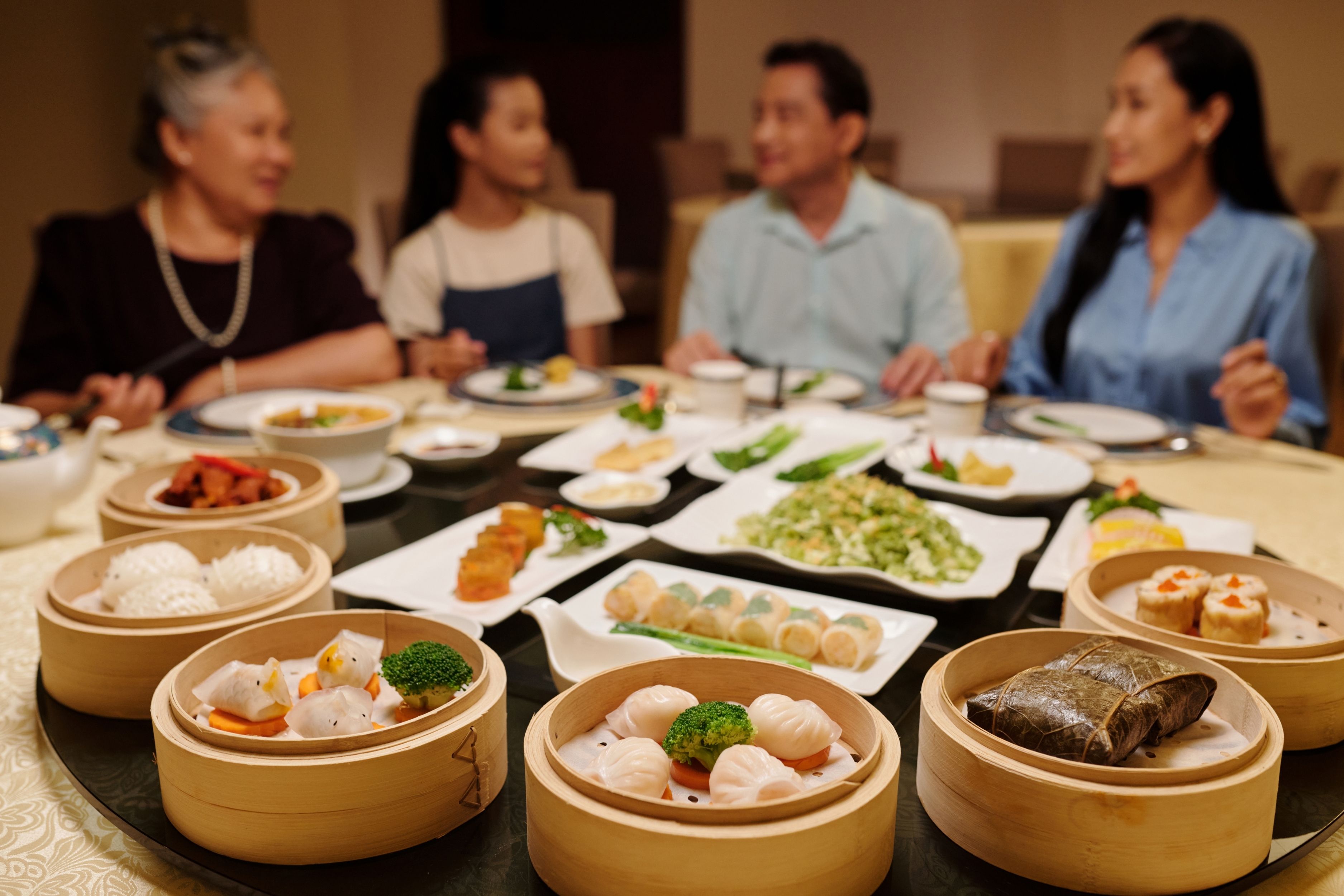
Setting up your HDB with Feng Shui in mind isn’t about making your house look like a temple. It’s about making it work for you. When you clear the clutter, anchor your furniture, and balance those fire and water elements in the kitchen, you’re just creating a space that feels easier to be in.
Take it one room at a time. Start with the entrance, then move to the bedroom. You’ll probably notice that once the house feels more organized, your head feels a bit clearer too.
Related Posts

Have a question for us?
We welcome any question with no commitments. Master Louis Cheung will seek to clarify any doubts you may have.
“Master Louis Cheung has an approachable and comfortable personality along with competent skills. I can confidently recommend Master Louis Cheung to my friends. Thank you, Feng Shui Master Louis Cheung.”
 James H.
Senior Financial Analyst