

Living in a city that never really sleeps can make your own home feel like just another stop on a train. Between the constant noise and the sheer density of urban life, our living spaces become places where we just “crash.” But your home is more than just four walls and a roof.
When you start looking at your home through the 5 elements of feng shui (Wood, Fire, Earth, Metal, and Water), you stop seeing just furniture and start seeing energy.
These elements are the building blocks of how a space feels. When they’re out of sync, you feel it.. But when you get the balance right, you find yourself breathing a little easier.
Understanding the 5 Elements in Your Living Space
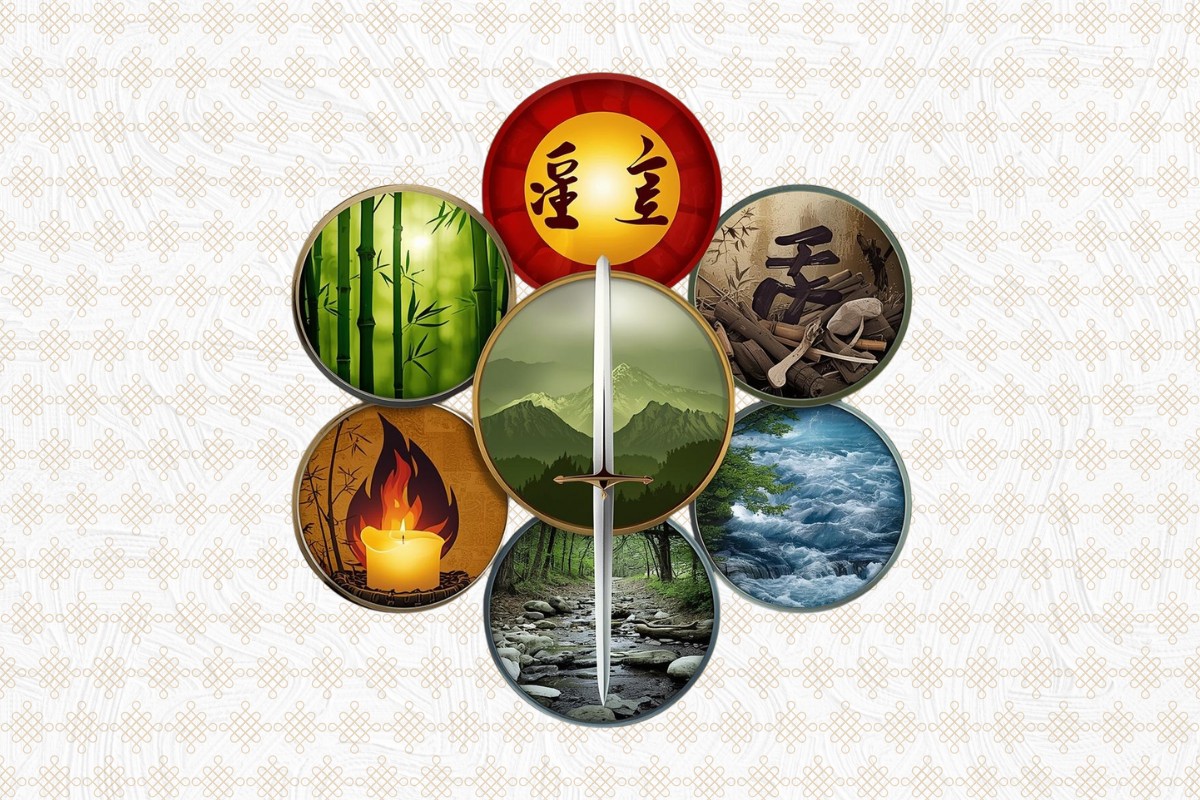
In a small apartment, you don’t have the luxury of “dead space,” so everything you bring through the front door needs to serve a purpose. The five elements helps establish that your decor is more of a functional part of your well-being.
What the Elements Actually Do for You
- Wood (Growth & Vitality): Think of Wood as the “start-up” energy of your home. It’s about health and upward movement. You bring this in with actual plants or even vertical stripes in your wallpaper. If you feel like your life is too stagnant, you probably need more Wood.
- Fire (Passion & Visibility): Fire is the spark. It’s how the world sees you and how you express yourself. It’s warm and bright. While actual candles are great, you can also channel fire through lighting or simply through triangular shapes. But remember, too much makes you anxious, and too little makes you feel invisible.
- Earth (Stability & Grounding): This is the foundation. Earth energy is what makes a house feel like a home. It’s the “hug” you feel when you walk in after a long day. Use ceramics, square shapes, and sandy or brownish tones to bring this in. If you’re feeling flighty, you need to ground your space with Earth.
- Metal (Clarity & Efficiency): Metal is all about precision. It helps you cut through the noise and stay organized. It’s represented by round shapes, white or grey tones, and actual metallic surfaces. In an office, Metal energy is your best friend for staying on task.
- Water (Calm & Intuition): Water is the flow. It’s about your social life and your emotional depth. Mirrors, glass, and dark, wavy patterns represent water. It brings a sense of mystery and relaxation, helping you “go with the flow” when things get hectic.
How These Elements Talk to Each Other
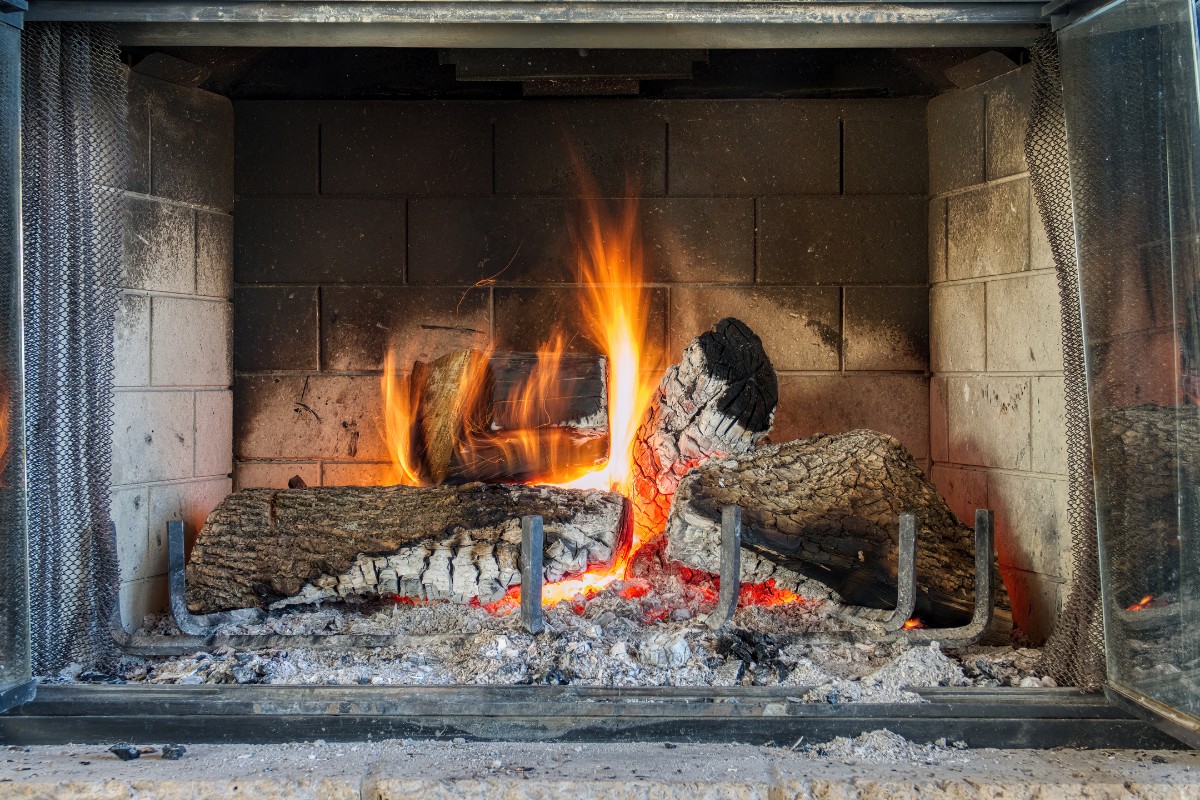
The magic happens in how these elements interact. There is a Generative Cycle where one feeds the next, like water nourishing wood, or wood feeding a fire. When your home follows this natural progression, the energy feels like smooth.
However, there’s also the Controlling Cycle. This isn’t a bad thing; it’s really just the checks and balances. For instance, if you have too much “Fire” energy (maybe your walls are an aggressive red), you can use “Water” elements (like a mirror or dark blue accents) to cool it down.
Your Mood and Emotional Health

The connection between your surroundings and your mental state is more direct than most people realize.
If you’re living in a space that is dominated by “Metal” like lots of white walls and glass, you might find yourself feeling cold or overly critical.
On the contrary, a home with too much “Earth” might feel heavy, almost like it’s hard to get off the couch.
Using Decor to Shift Your Mindset
You don’t need a massive renovation to change the “vibe” of a room. Small changes can completely change how you feel when you wake up.
- To Reduce Stress: Lean into Water and Earth. Think a small tabletop fountain or a few stones placed on a shelf. This signals to your nervous system that it’s okay to let go of the day’s tension.
- To Boost Energy: If you’re feeling a bit “meh,” add some Wood and Fire. A vibrant green plant or a brightly colored piece of art in your entryway can act like a shot of espresso.
To Improve Focus: Clear the clutter (which is stagnant Earth) and introduce Metal. A clean, white desk with a simple metal lamp can do wonders for your ability to think clearly.
Supporting Your Physical Health

Feng shui also has a practical impact on your physical recovery. Your body reacts to the elements around it. When we are constantly surrounded by concrete and artificial light, bringing elemental balance indoors is a survival strategy.
The Bedroom: Your Recovery Zone
The bedroom should be your sanctuary for rest, which means it needs to be heavy on Earth and soft Water energy. This is not the place for high-energy Fire elements or stimulating tech.
- Grounding: Use soft linens and solid wood furniture to create a sense of safety.
- Flow: Keep the space under your bed clear. If you store boxes under there, you’re literally sleeping on “stuck” energy, which can lead to restless nights.
Balance: If you have a large mirror facing the bed, it can bounce energy around too much while you’re trying to sleep. Try covering it or moving it to see if your sleep quality improves.
The Kitchen: The Engine of the Home
The kitchen is where “Fire” (the stove) and “Water” (the sink) naturally clash. A good layout manages this.
You can use “Wood” elements like a wooden cutting board or a small herb garden to fix the Fire and Water. This creates a more harmonious environment for preparing food, which in turn supports the health of everyone in the house.
Enhancing Productivity and “Daily Flow”

With more of us working from home, the “flow” of our space has a direct impact on our bank accounts. A workspace that feels chaotic will lead to chaotic results.
Creating a Power Spot
You want your desk to face the door so you can see who is coming, but you don’t want to be directly in line with it. Having a solid wall behind you (Earth) gives you a sense of backing and support.
- Add Wood: A plant on your desk helps with creativity and keeps the air fresh.
- Add Metal: Use metal organizers to keep your paperwork in check. Precision in your surroundings leads to precision in your work.
Light it Up: Make sure you have good “Fire” energy through natural light or a high-quality desk lamp to keep your motivation from dipping in the afternoon.
Making It Work in a Small Space
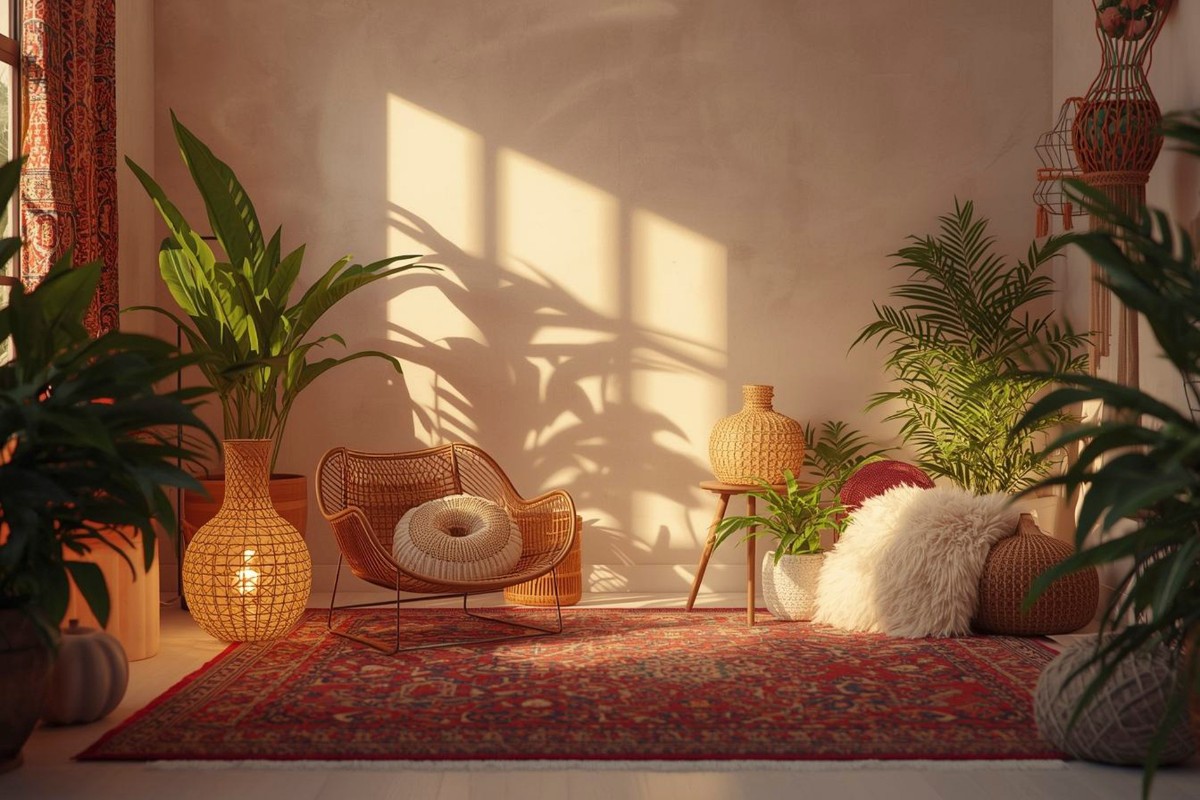
You don’t need a mansion to practice elemental harmony. In fact, it’s even more important in smaller homes where energy can get trapped easily.
- Go Vertical: If you don’t have floor space for plants (Wood), use hanging planters or wall-mounted shelves.
- Use Mirrors Strategically: Mirrors represent Water. They can “expand” a cramped hallway or reflect light into a dark corner, keeping the energy from becoming stagnant.
The “Power Corner”: If you can’t balance the whole house at once, pick one corner. Place a plant, a candle, a ceramic bowl, a metal object, or a small glass of water. This “micro-balance” can act as an anchor for the rest of the room.
Final Thoughts
As your life changes, your home should change too. If you’ve just finished a big project, you might want to clear out some of that intense “Fire” energy and bring in more “Water” for a period of rest.
Pay attention to how you feel in different parts of your home. If a certain room always makes you feel tired, look at the elements. Is it too dark? Is there too much heavy furniture?

Have a question for us?
We welcome any question with no commitments. Master Louis Cheung will seek to clarify any doubts you may have.
“Master Louis Cheung has an approachable and comfortable personality along with competent skills. I can confidently recommend Master Louis Cheung to my friends. Thank you, Feng Shui Master Louis Cheung.”
 James H.
Senior Financial Analyst