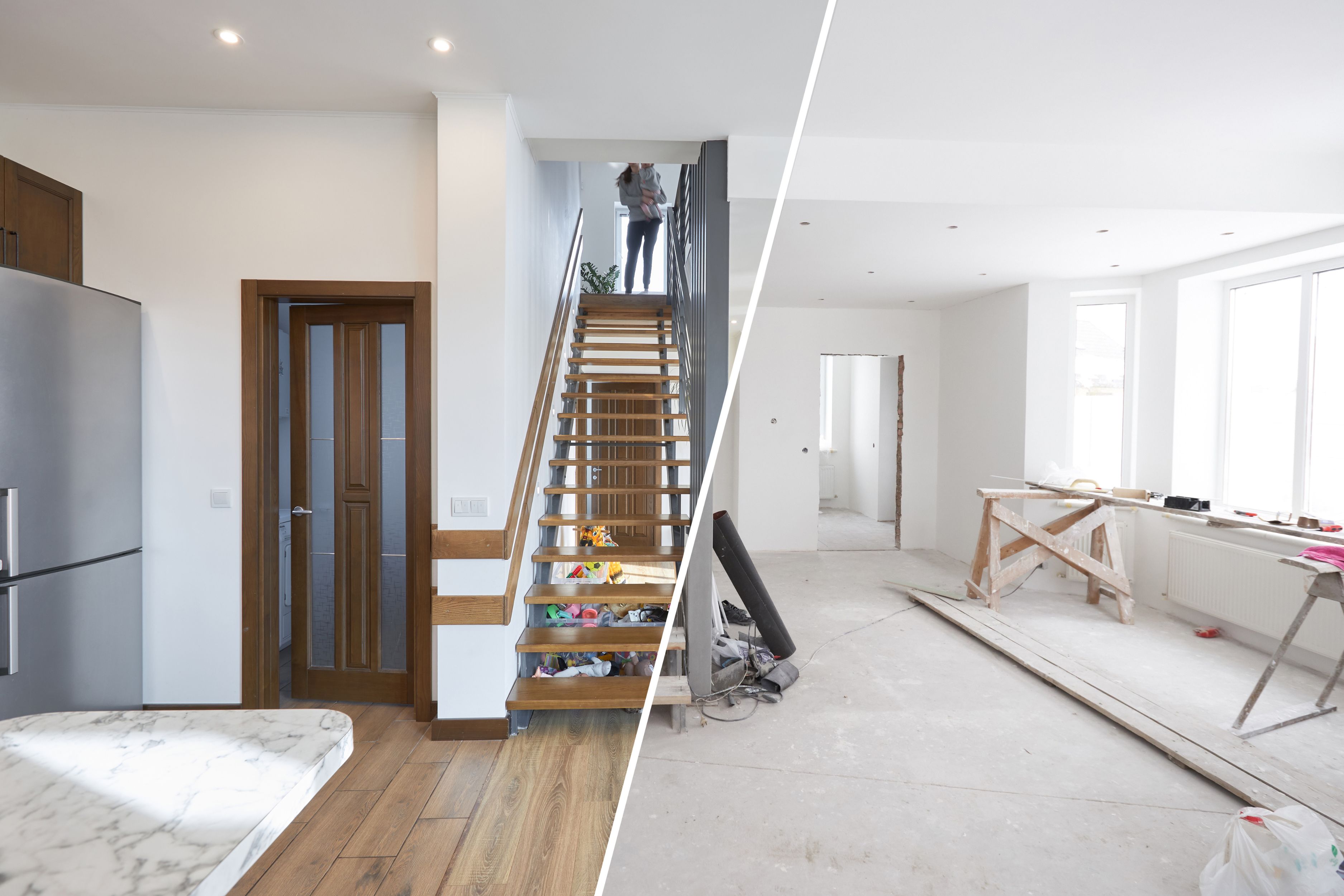
Moving into a new place is one of those massive life milestones that feels equal parts exhilarating and completely draining. In the middle of all the packing tape and logistics, it is easy to forget that you are not just moving boxes into a structure; you are trying to build a life there.
This is where new house rituals come in. Whether you are a firm believer in energy and tradition or you just want a bit of peace of mind, these ceremonies are basically a way to hit the “reset” button on a space.
Of course, you want to clear out whatever “vibe” the previous owners left behind and set your own intentions for harmony and wealth. It is a practice of taking a house and making it a home before you even spend your first night there.
1. Picking the Right Moment
Timing is everything. Most people just pick a Saturday because that is when the movers are available, but traditional wisdom suggests that the “cosmic” timing of your entry can dictate how smoothly your life goes in that house for years.
- Chinese Traditions: Many families won’t even consider a date without checking the Tung Shing (almanac) or talking to a Feng Shui master. They look for a “lucky” day that doesn’t clash with the birthdates of the people living there.
- Hindu Traditions: A priest or pandit usually helps choose the specific day for the Griha Pravesh ceremony based on the Hindu calendar.
- Muslim Traditions: While there is more flexibility, many families wait until the very moment the purchase is finalized to perform the first prayers.
- Christian Traditions: A lot of families prefer a Sunday blessing, often inviting a priest to visit once they have the keys.
The underlying idea is that moving on a bad day is basically asking for a headache, while an auspicious day aligns you with positive energy from the start.
2. The Practical (and Spiritual) Deep Clean
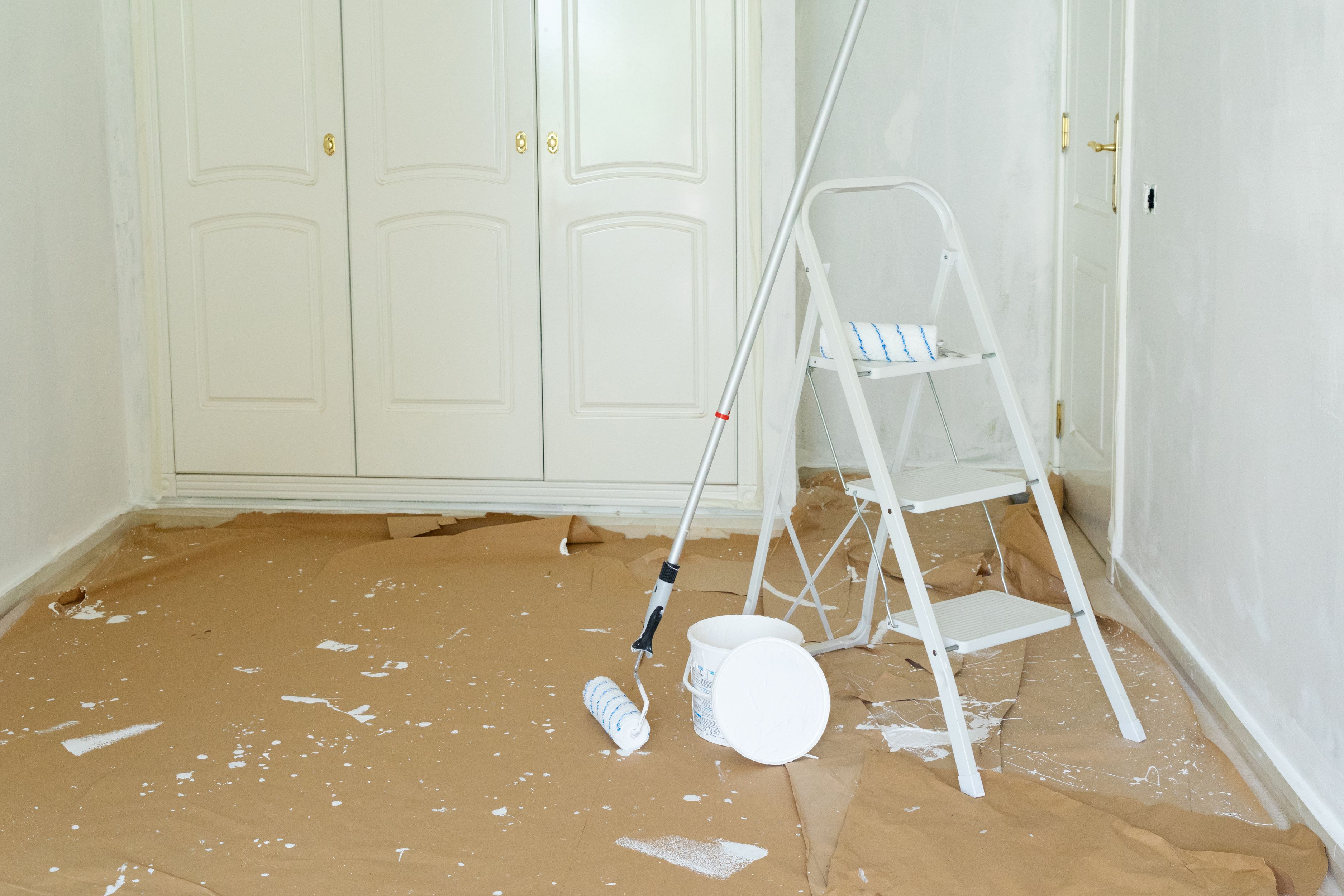
You have to clean the house before you live in it—that’s just common sense. But in many cultures, the act of cleaning is the first actual ritual. You aren’t just getting rid of dust; you are scrubbing away old energy.
Malay families often say that a clean home is the best defense because negative spirits don’t like to hang around in spotless spaces.
This usually involves opening every single window and door to get the air moving. If you are following Chinese traditions, this is called inviting yang energy to replace the “stale” energy of an empty house.
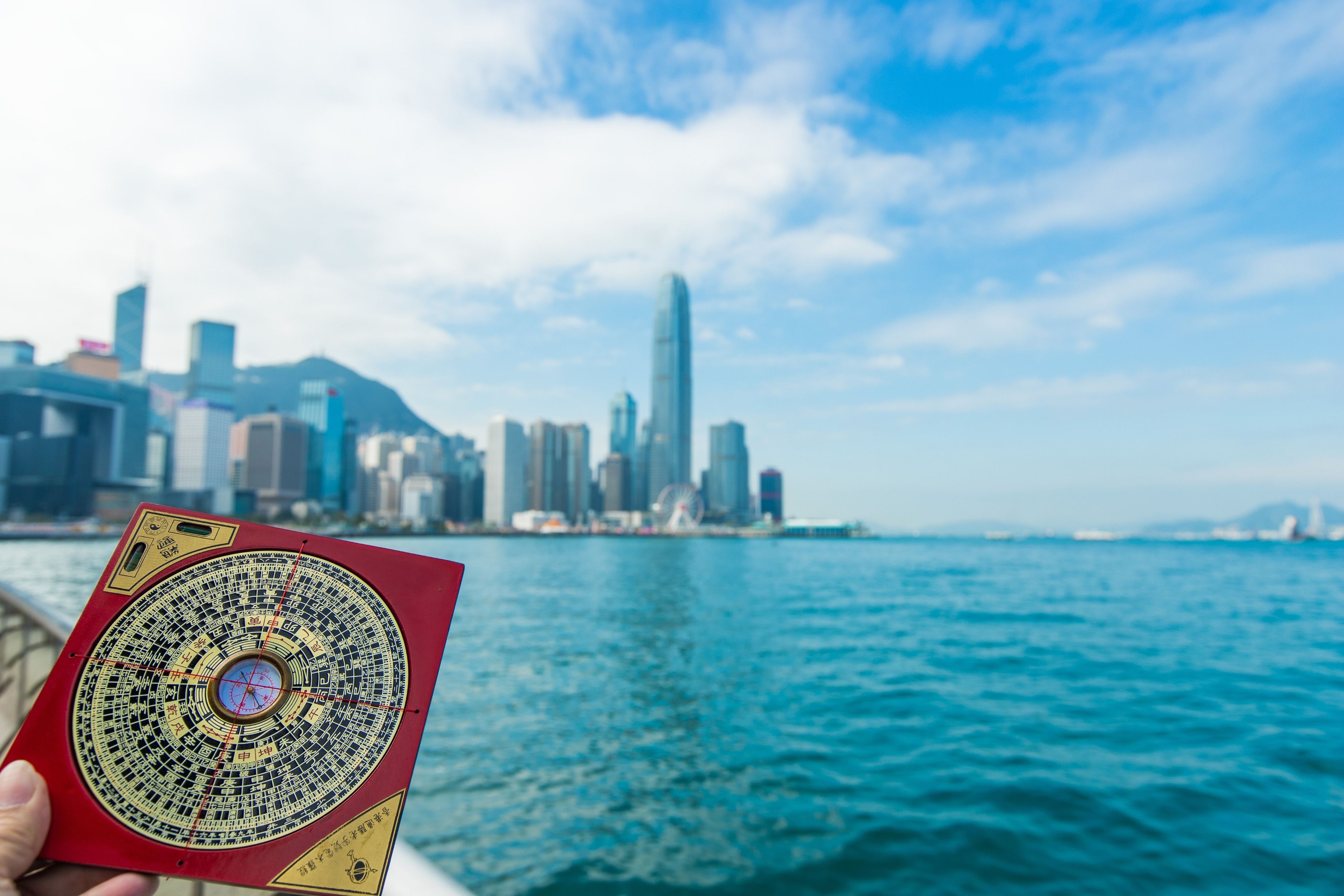
For a more intense “clearing,” some people sprinkle holy water in the corners or burn incense at the doorways. In professional Feng Shui, a master might even perform a specific house cleansing ritual (破煞旺宅) involving talismans and chants to make sure the qi is actually working in your favor.
3. Cultural Ceremonies for a Good Start
Singapore is a mix of different backgrounds, so the way people bless their homes varies wildly, but the “why” is always the same: they want the house to be a sanctuary.
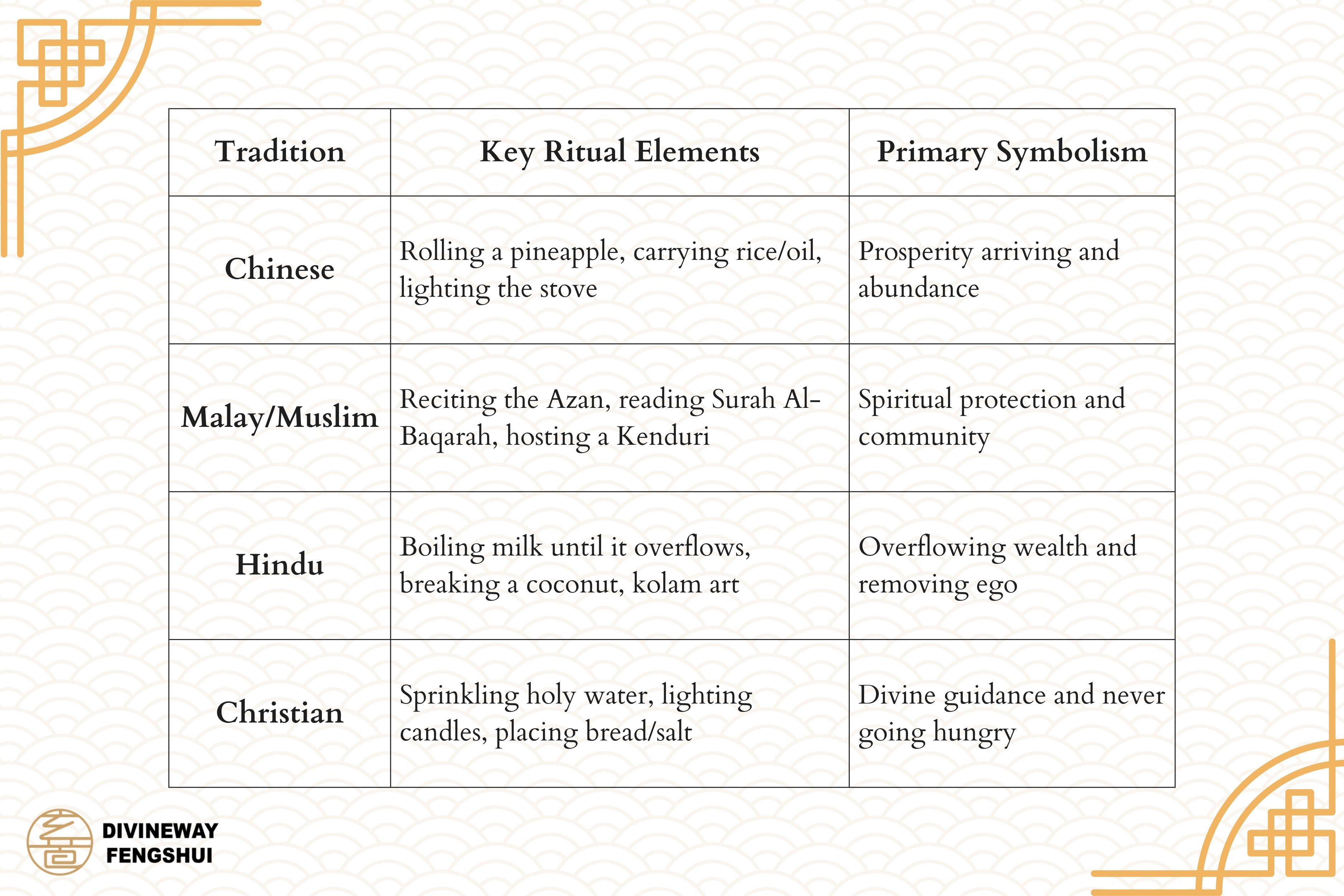
The “Pineapple” Factor and Other Chinese Customs
In Hokkien, the word for pineapple is huánglí, which sounds a lot like “prosperity arrives”. This is why you’ll see people rolling a pineapple across the living room the second they walk in.
When the family enters for the first time, the oldest member usually leads the way. No one should be empty-handed.
You want to be carrying things that represent a full life: a bowl of rice, some salt, cooking oil, or fresh fruit like oranges. Some families even put up red decorations or couplets on the door to act as a shield against bad luck.
The Malay Kenduri Kesyukuran
For Malay Muslims, the house warming is centered on the Kenduri Kesyukuran, which is essentially a thanksgiving feast.
Before the food starts, the Azan is often recited in each corner of the house to clear the space. Many will also spend a few days reading specific verses from the Quran, like Surah Al-Baqarah, to “fence” the home spiritually.
It’s a very communal way of moving in—sharing a meal with neighbors and friends to start your life there on a “sweet” note.
Hindu Griha Pravesh
This is a very detailed process. The home has to be completely finished—no construction workers left—before you do this. You’ll see beautiful kolam patterns made of rice powder at the door and mango leaves hung up for luck.
The most famous part is boiling a fresh pot of milk on the stove until it boils over the sides. That overflow is a direct symbol of the abundance the family hopes to have.
Christian and Eurasian Blessings
Christian rituals are usually about bringing “light” into the house. A priest might come by to pray for protection and sprinkle holy water on the walls.
There is also a simple folk tradition of leaving a loaf of bread and some salt on the table. The bread means you’ll always have food, and the salt means your life will always have “flavor” or joy.
4. What to Do on the Actual Move-In Day
Once the date is set and the house is clean, the actual day of the move has its own set of new house rituals to follow.
- Dress the Part: Wear something new. It sounds small, but it represents a fresh start and a new chapter.
- The “First Entry” Items: If you have kids, get them involved. Have them carry onions or spring onions—in Chinese, the word for “onion” sounds like “wealth”.
- Fire Up the Stove: This is called kai lu (opening the kitchen). You light the stove and boil water to “warm” the house and signal that the home is now active and lived-in.
- Let the Water Flow: Turn on all the taps for a minute. This “welcomes the water,” which is often tied to the idea of wealth flowing into the home without stopping.
- Light it Up: Keep all the lights on. Some traditions suggest leaving them on for the first 24 hours (or even a few days) to keep the energy high and vibrant.
5. Settling In and Staying Flexible

The first few days in a new home are when you set the tone for the future. Traditionalists usually suggest avoiding any negative behaviors on the first day—so no arguing, no crying, and maybe skip the high-stakes mahjong games for a night. You want the atmosphere to stay festive and light.
In reality, a lot of modern homeowners in Singapore end up blending these traditions. You might see a Chinese family inviting their Malay neighbors over for a meal, or a young couple picking and choosing the parts of these rituals that mean the most to them.
The most important thing to remember is that these rituals are for you. Whether you are rolling a pineapple or saying a quiet prayer, doing it with sincerity is what actually makes the difference. It is about taking a moment to be grateful for the new roof over your head and making sure you start your life there with the right mindset.
By taking the time to do these new house rituals, you aren’t just following old superstitions—you are creating a sense of belonging and peace in a space that is finally yours.
Have a question for us?
We welcome any question with no commitments. Master Louis Cheung will seek to clarify any doubts you may have.
“Master Louis Cheung has an approachable and comfortable personality along with competent skills. I can confidently recommend Master Louis Cheung to my friends. Thank you, Feng Shui Master Louis Cheung.”
 James H.
Senior Financial Analyst