
I used to think Feng Shui was mostly about where to put a lucky jade cat or hanging up red tassels to fix your bank account. But after spending an entire day trailing a consultant through the high-rises and HDBs of this city, I realized I had it totally wrong.
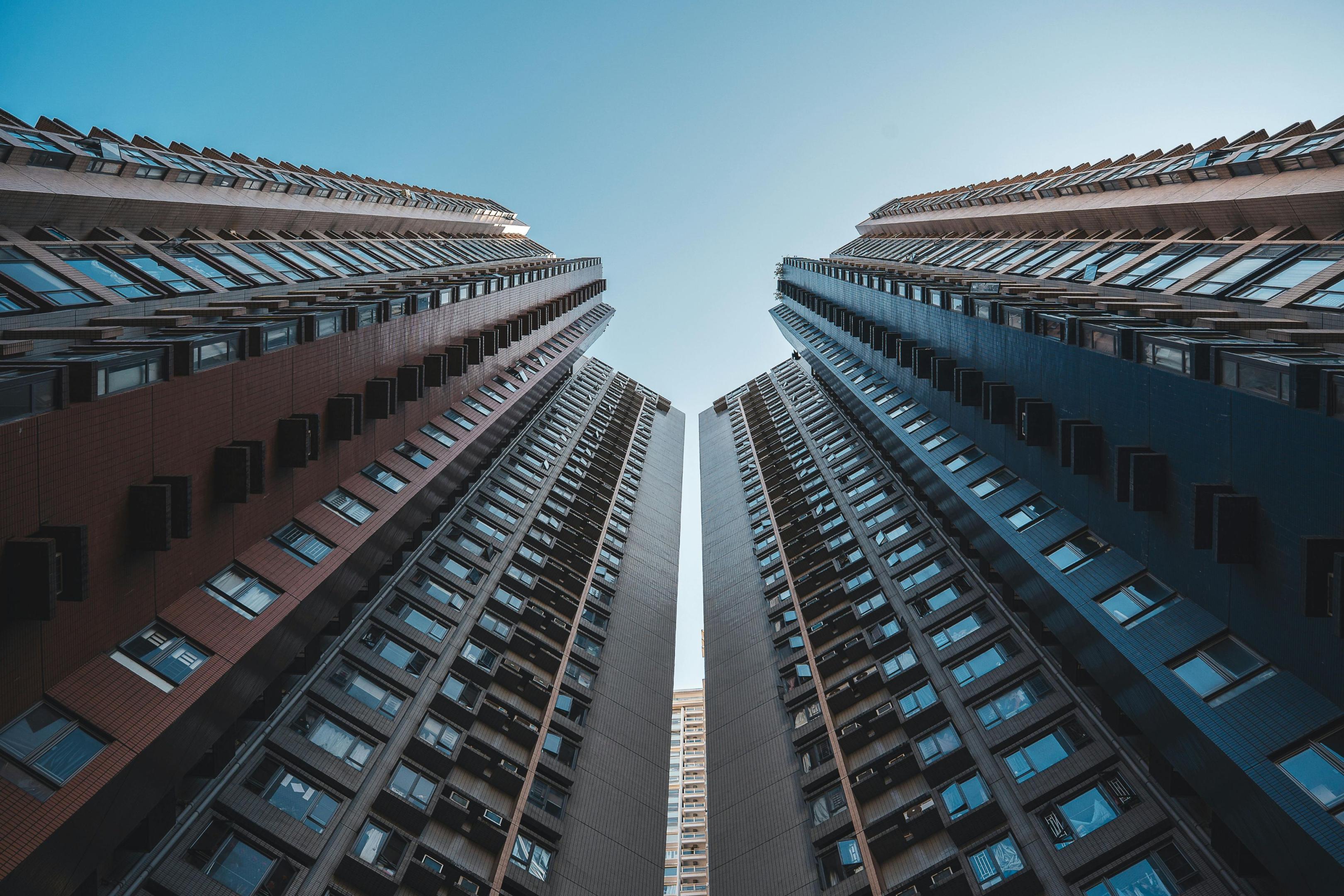
It’s actually a lot more like environmental psychology or high-level interior design than anything mystical. In a place as crowded as this, we’re all squeezed into these vertical boxes, and it’s easy to feel like the walls are closing in on you.
This experience taught me that how you set up your living room isn’t just about aesthetics; it’s about making sure your home doesn’t actively drain your energy.
The Systematic Audit: What a Feng Shui Master Actually Does
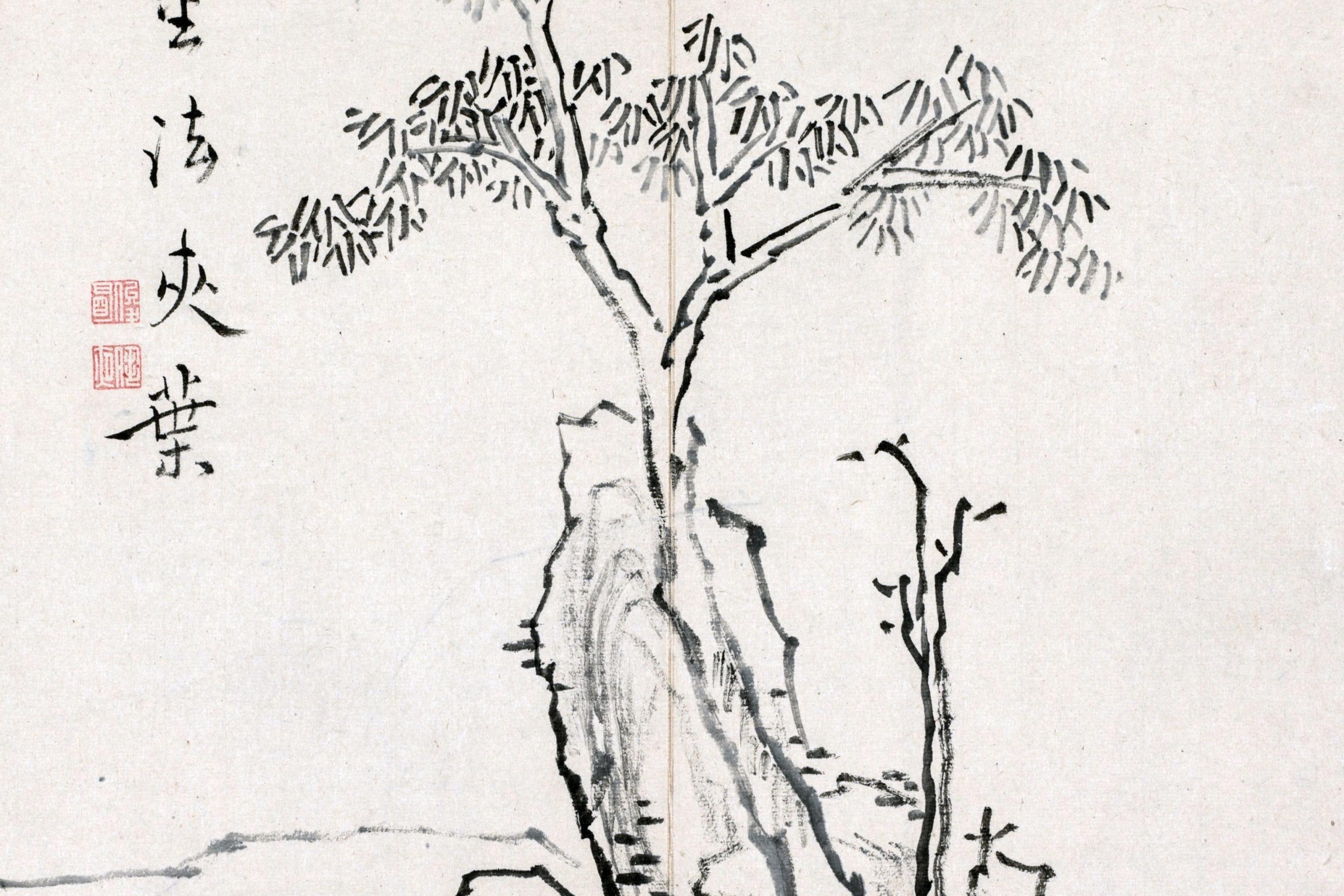
The day didn’t start with incense or chanting. It started with a floor plan and a massive, heavy brass compass called a Lo-Pan. My consultant explained that he treats a home like a physical body. If the “veins”—the hallways and doorways—are clogged, the energy, or Qi, just sits there and rots.
He used that compass to find the exact orientation of the building, matching it against the family’s birth dates to see how the people and the place actually vibed together. He then overlaid a Bagua map—basically a grid of nine sectors—to see which parts of the house were responsible for things like career, health, or relationships.
If you’ve ever felt like you’re working ten times harder than everyone else but getting nowhere, he’d probably tell you to check the “Wealth” sector of your house for a pile of dirty laundry.
A feng shui master acts more like a site analyst than a priest. Instead of relying on gut feelings, they use these traditional tools to find “pressure points” where a room might feel uncomfortable or restless.
By grounding traditional knowledge in the reality of modern apartment living, they help urban spaces function better for the people inside them.
Setting the Stage: “Mouth of Qi”
The front door is a massive deal in this practice. They call it the “mouth of qi” because it’s where all the opportunity and energy actually enters your life. If your entrance is dark, cramped, or hidden behind a mountain of shoes, you’re basically making it impossible for good luck to find you.
- The Threshold: We swept the mat and dusted every corner of the door frame to ensure the entry was inviting.
- The Obstacles: We moved a heavy shoe rack that was partially blocking the door from opening all the way, as stagnant energy at the entrance can “block opportunity”.
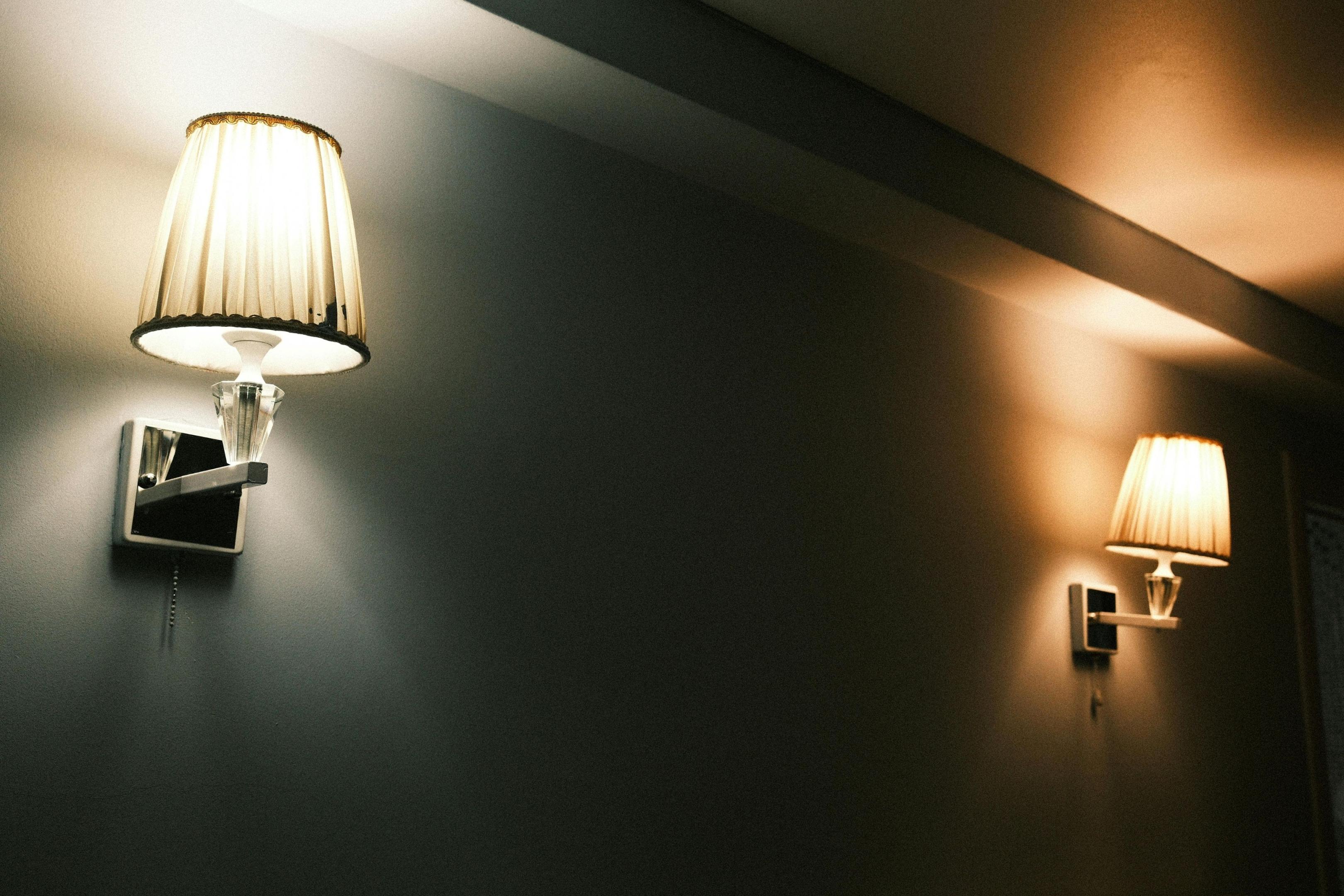
- The Lighting: He insisted on bright, clean lighting for the foyer so the space felt welcoming rather than dim.
The idea is that a tidy door sets a positive tone for the entire household. If the entrance is stagnant, you’ll feel that “block” the second you walk inside. By keeping this area clear, you allow energy to circulate freely into the rest of the home.
The “Commanding Position”: Arranging for Security and Focus
One of the most practical things I walked away with was the concept of the “commanding position”. This is all about where you place your bed, your desk, and even your stove.
The rule is simple: you should be able to see the door from where you’re sitting or sleeping, but you shouldn’t be directly in the “firing line” of the doorway. We spent about an hour shifting a heavy study desk because, in its old spot, my back was to the door.
I never realized how much that low-key “survival instinct” was distracting me. Once we moved it so I could see the entrance while having a solid wall behind me, the room immediately felt more secure.
This setup gives you a sense of awareness and stability. It’s a small tweak, but it changes how your brain processes the space, reducing environmental stressors that quietly drain your focus. When you aren’t constantly checking over your shoulder, you can actually get work done with a bit more ease.
Balancing the Five Elements in Urban Spaces
We also looked at the five elements: Wood, Fire, Earth, Metal, and Water. The goal is to make sure one isn’t drowning out the others. Each element represents a specific quality of growth or stability.
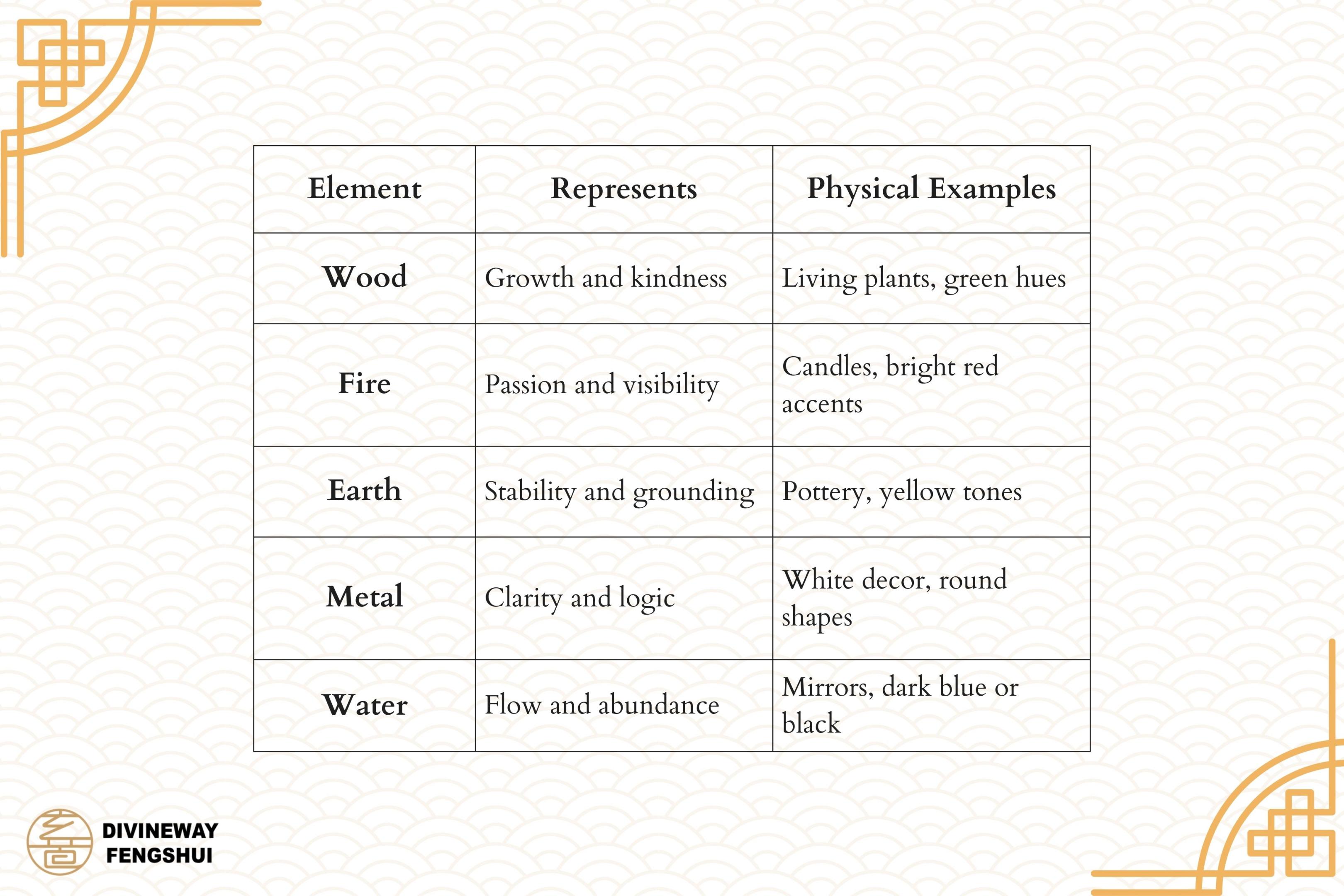
The master noticed my kitchen had a “clash” because the stove (fire) was directly across from the sink (water). Since I can’t exactly call a plumber to move the entire sink in a rental, he had me add a small wooden element—a potted herb—between them to “mediate” the energy.
Modern Living: HDBs and High-Rises

In a typical HDB or condo, you’re dealing with fixed layouts. You can’t just knock down a wall because the “Wealth” corner is in the bathroom.
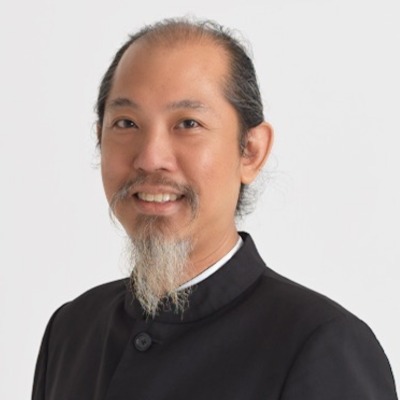
My consultant, Master Louis Cheung from Divineway, told me this is actually where a feng shui master is most useful—when you have to work within constraints.
In these tight spaces, every square inch counts. He taught me that when you can’t move the architecture, you use “cures” or subtle tweaks to furniture and light.
- The Bathroom Drain: Water represents money, and drainage is said to “wash it away”. We put a bamboo plant in the corner to “soak up” that excess water energy.
- The Bedroom Vibe: We ditched overly bright accents (too much “Yang” or active energy) for softer, muted tones (Yin) to encourage better rest.
- The Living Room: We moved a sofa that was slightly skewed across a hallway to remove an “energy block” that was disrupting the flow.
By paying attention to these small details, you can make a standard apartment layout feel a lot more “custom” to your needs.
Priority #1: Decluttering as Environmental Design
The most brutal part of the day was the decluttering. The master was very direct: “excessive clutter causes blocked chi”.
He wasn’t talking about being a minimalist for the “aesthetic”—he was saying that if you have piles of old magazines and junk drawers full of dead batteries, you’re literally trapping old, stagnant energy in your house.
We spent the afternoon tossing stuff out and straightening shelves. The second we cleared a junk drawer in the living room, the space felt physically lighter. It’s not a mystical spell; it’s just getting rid of the mental weight of all that “stuff” you’re ignoring.
A feng shui master helps you see that your environment is a reflection of your internal state. If your home is a mess, your mind probably is too. Clearing that physical junk opens up pathways for new opportunities to actually show up.
Final Thoughts: Enhancing Wellness and Avoiding Calamity
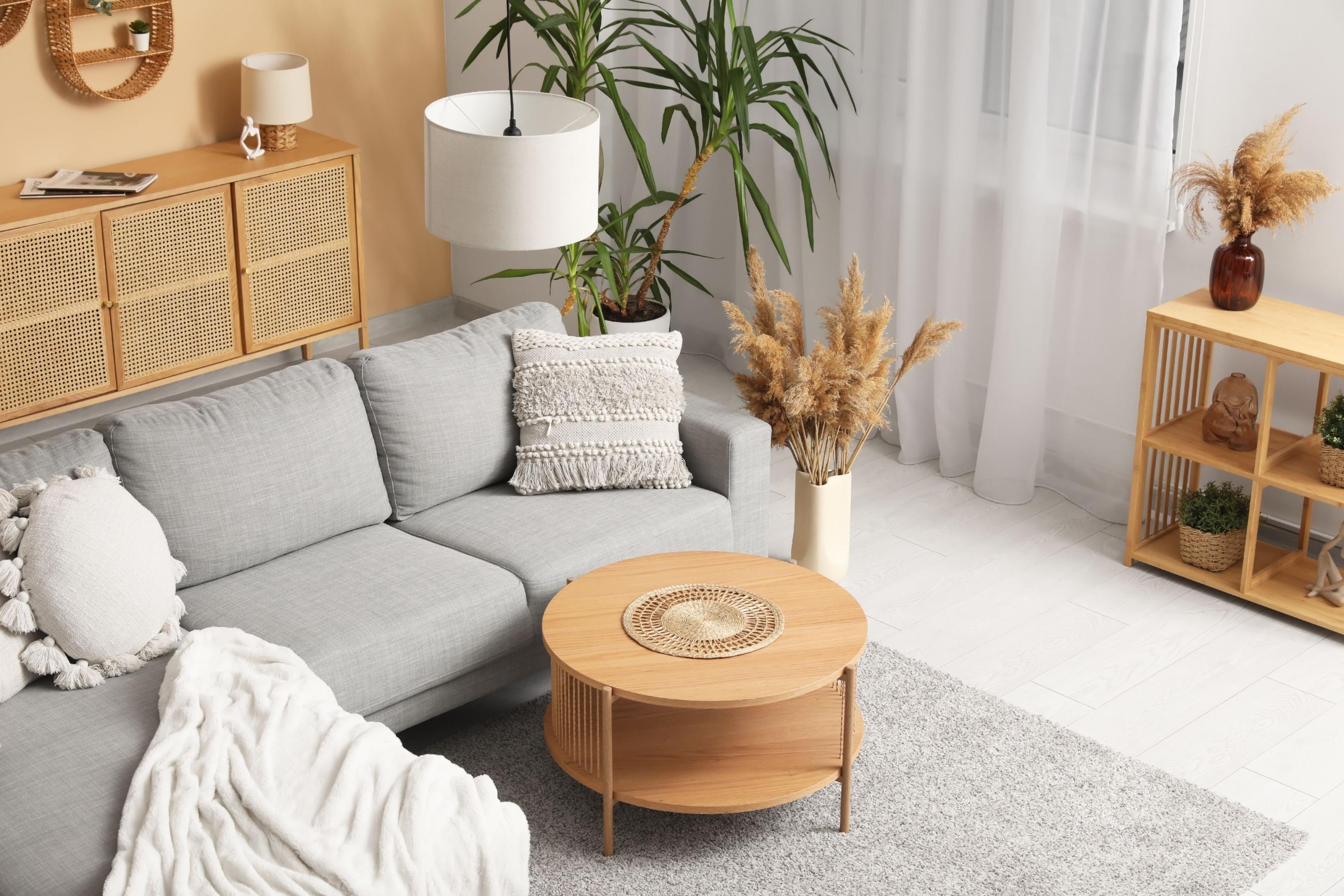
By the end of the day, I had a massive checklist of actionable points. It made me realize that my home should be a supportive environment, not just a place where I crash at night.
The Divineway motto is “enhance wellness, avoid calamity,” and honestly, that sums it up perfectly. It’s about being mindful of your surroundings so they work for you, not against you. Whether you believe in the “energy” side of it or not, walking into a clean, well-lit, organized home makes you feel more in control of your life.
I walked home that evening and immediately moved a chair so I could see the door. It felt like a small, purposeful act of taking care of myself. In a city that moves this fast, having a space that feels balanced and supportive is everything.
– anonymous client on their Divineway consultation
Have a question for us?
We welcome any question with no commitments. Master Louis Cheung will seek to clarify any doubts you may have.
“Master Louis Cheung has an approachable and comfortable personality along with competent skills. I can confidently recommend Master Louis Cheung to my friends. Thank you, Feng Shui Master Louis Cheung.”
 James H.
Senior Financial Analyst