
I don’t know about the rest of the world, but living in Singapore usually means adapting to a tightness that, ironically, rarely feels still. Over time, this rush starts to wear you down.
Personal Feng Shui isn’t all fancy renovations or strict chakra furniture placements. It’s essentially the small habits that change how your home actually feels. Whether you’re in an HDB or a condo, the way you organize your space directly affects your aura.
Making these small adjustments helps you find some balance in a city that isn’t going to slow down anytime soon.
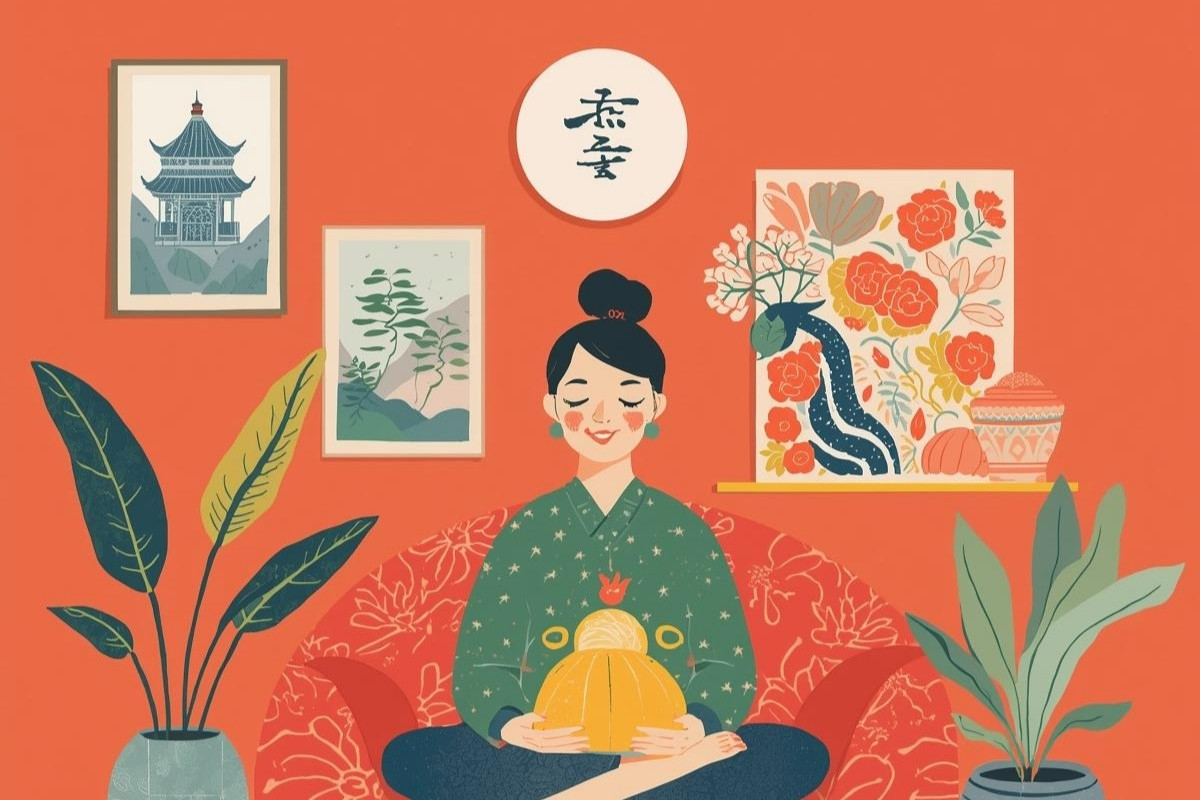
What Is Personal Feng Shui and Why It Matters in Daily Life
Traditional Feng Shui usually focuses on the technical stuff, like floor plans and which way your building faces. But personal Feng Shui is your daily routine and how you actually move through your home.
At its core, this ancient art is really how energy or qi (chi) flows through your life. Technically, that just means noticing how your environment affects your mood.
If you live in a small apartment or have roommates, you probably already know how much your surroundings can mess with your headspace.
Thats why it’s easy to feel drained between the density of the city and long work hours. This practice focuses on small changes to keep your qi balanced without needing a total home makeover.
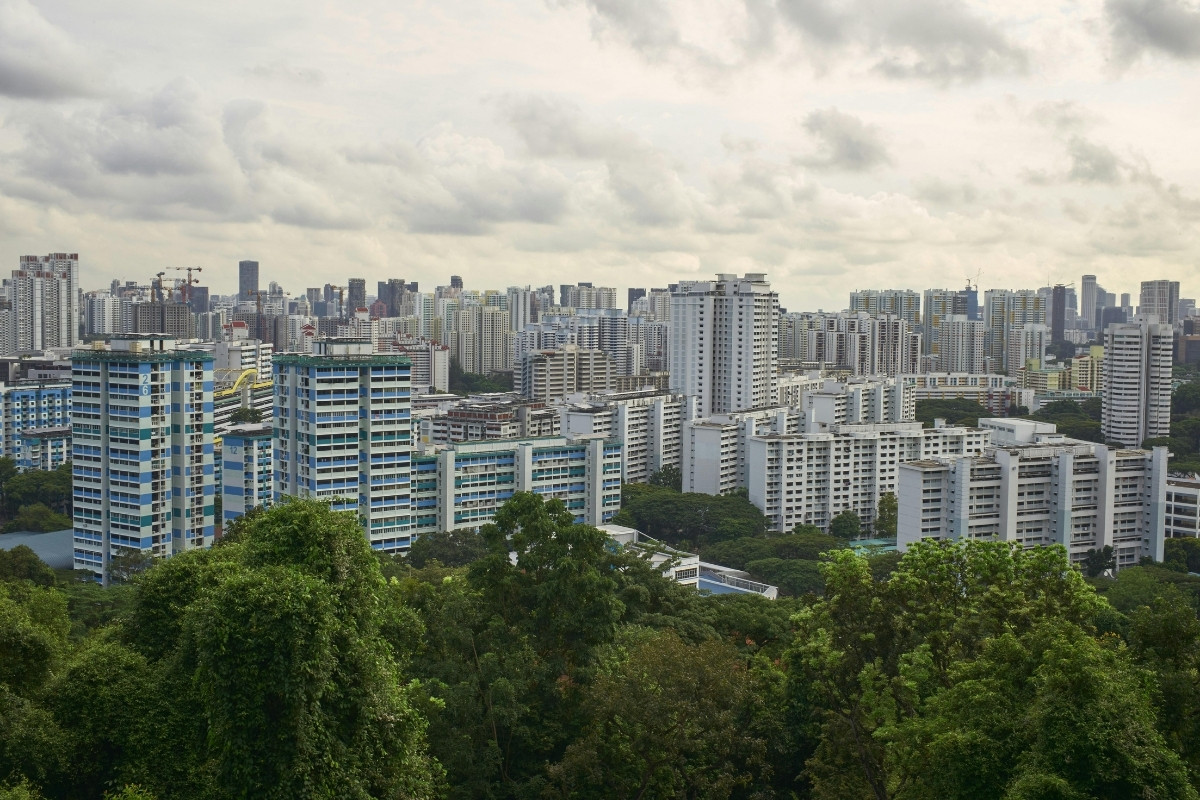
Making Everyday Spaces Work in a Singapore Home
The true Singaporean spirit is really about just having to work with what we’ve got. Most of us live in HDBs or condos built for efficiency, which usually means three to five rooms max.
Oftentimes, condos have those open-plan layouts where the living and dining areas are basically the same room.
It’s a smart use of space, but it also makes it hard to separate your work life from your me time especially if you’re working from home. On top of that, noise and movement from family or neighbors are just part of the deal.
And so, making small shifts in our habits can help create that mental separation we need, even when there isn’t a physical door to close.
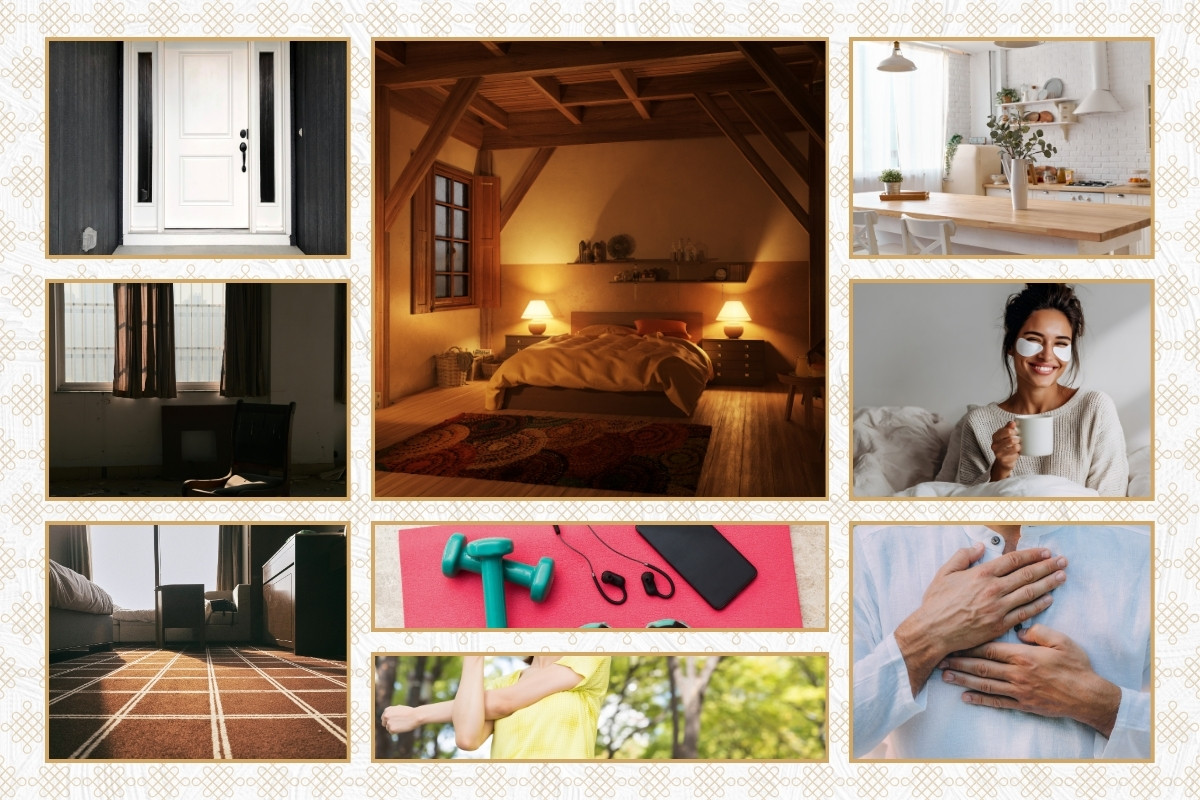
1. Treating Your Front Door as a Reset Point
Your front door is the line between the outside world and your personal life. In Feng Shui, this spot is a big deal because it’s where energy and your own headspace go back to “home mode.”
In Singapore, most of our entryways are pretty tight. They quickly turn into a dumping ground for shoes random parcels (ahem to the chronic online shoppers).
The problem is that when you have to navigate a mess just to get inside, you never actually feel like you’ve arrived. You’re basically greeting yourself with a to-do list the second you walk through the door.
So what now? Keep only what you use every single day by the door and put everything else away. Even if you live in a typical corridor-facing flat, keeping that small square of floor clear makes a huge difference.
You want to walk in and feel like you can breathe, not like you’re still living in a storage unit. When the entrance is cluttered, that pressured feeling usually follows you right into the rest of the house.
2. Letting Light and Air Do Their Thing
Living in a high-rise has its down-sides (pun intended). Think of the heat, glare, and neighbors being able to see in.
But instead of just keeping the curtains drawn all day, you can adjust them as the sun moves or open the windows during the cooler hours.
Natural light is kind of a big deal since it helps you stay alert and just makes you feel more balanced. Take this advice mostly for rooms where you’re trying to do everything from working to relaxing.
3. Clearing Space to Clear Your Head
Still hard to believe? Research in environmental psychology actually backs up what Feng Shui has said for a long time, a cluttered space leads to higher stress and makes it harder to focus.
Instead of waiting for a free weekend to do a massive spring cleaning, it’s better to just do small and consistent things.
Maybe something like clearing off one surface or putting a few things back where they belong each day keeps the mess from building up and becoming overwhelming.
This is especially helpful in shared family spaces. When you turn down the “noise,” the whole home feels a lot more “home-y.”
4. Setting Up Your Bedroom for Better Rest
If you think about it, sleep is also how your bedroom is actually set up. In small bedrooms, you don’t always have a lot of options for where to put the bed so sometimes it could be right under a window or against a wall you share with a noisy neighbor.
The goal here is to place your bed where it feels the most stable and out of the way. Keeping the area around it clear of clutter helps your nervous system relax because you aren’t staring at a mess while you’re trying to drift off.
It’s also worth moving mirrors that face the bed or keeping your phone and other electronics away from your pillow. These things are just too stimulating when your body is trying to slow down.
5. The Quiet Impact of Daily Habits
Now, this adjustment is not just about furniture. It’s moreso your daily habits and how you talk to yourself. The things you repeat and the routines you follow all affect how your internal energy feels.
In Singapore’s “hustle” culture, most of us are constantly moving. Taking small pauses between tasks or just finding a few intentional moments of stillness can help you reset that internal pace.
Even the way you speak into existence matters. Describing a challenge as a “nightmare” vs. something you’re just “handling” can either add to your stress or soften it.
Eventually, these small habits build mental clarity without you having to overcompensate your entire lifestyle.
6. Breaking Out of Autopilot
Stagnation happens quietly when your space and your routine never change. In most places, it’s easy to get stuck on autopilot sitting at the same desk and following the same schedule every single day. Suddenly, you just stop noticing your surroundings.
Thats why introducing small variations can help snap you out of that loop. It doesn’t have to be complicated; even just rearranging your desk slightly or taking a different path to work can refresh your perspective.
These micro-changes force you to pay a little more attention to the present moment, which keeps your environment from feeling stagnant.
7. Reconnecting With Your Kitchen
The kitchen is a big deal because it’s where you literally nourish yourself. In personal Feng Shui, how you treat your kitchen usually reflects how well you’re taking care of yourself in general.
Since eating out is so convenient in Singapore and our kitchens are cramped, many of us barely use the space at all.
It ends up feeling like a secondary part of the home. But keeping your kitchen clean and actually functional helps restore its purpose.
Even if you only cook occasionally, those moments of preparing a meal can be really grounding. Small rituals in the kitchen help you focus more on self-care and not just grabbing whatever’s there.
8. More Room to Breathe
Being around other people’s energy all day can quietly lead to emotional fatigue.
To counter this, you need to create boundaries, whether that’s going out of your comfort zone or just taking the day off for “self-care.”
Even a few minutes of solitude allows your system to reset. Practicing this kind of “emotional hygiene” makes it much easier to go about your day without feeling completely drained.
Remember, recognise how much your surroundings actually affect your headspace.
9. Small Changes That Actually Stick
But the most important adjustment is accepting that consistency matters a lot more than perfection. In short, you don’t need to change everything at once.
Instead of making drastic adjustments, progress comes from habits that fit into your actual life, like keeping your desk clear or just being more thoughtful when you talk to others.
When this is personalized, it’s much easier to keep it going. Some people choose to go deeper with a consultation to tailor these habits to their specific situation, but the main goal is just to start.
Over time, these small changes add up, helping you find a lot more balance in your space and eventually, your life.
A Way to Move Forward
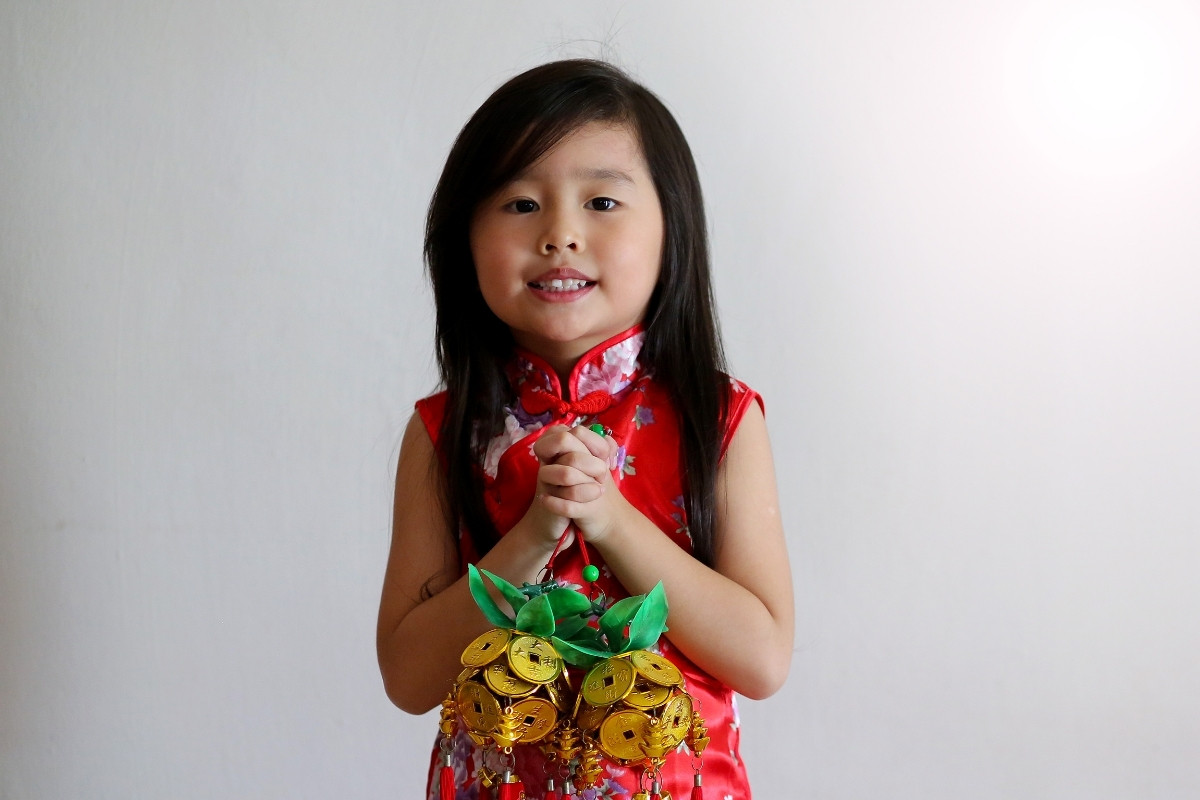
At the end of the day, you need to grasp what feels off and make small changes that actually fit your life.
In a city that never really pauses, these everyday feng shui adjustments give you a way to slow things down, even if everything else keeps moving.



Have a question for us?
We welcome any question with no commitments. Master Louis Cheung will seek to clarify any doubts you may have.
“Master Louis Cheung has an approachable and comfortable personality along with competent skills. I can confidently recommend Master Louis Cheung to my friends. Thank you, Feng Shui Master Louis Cheung.”
 James H.
Senior Financial Analyst